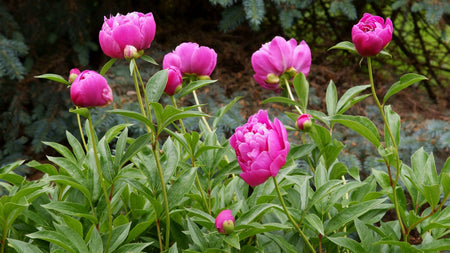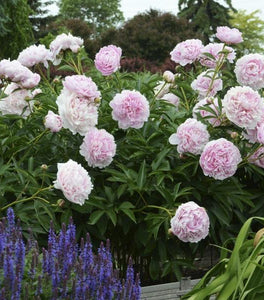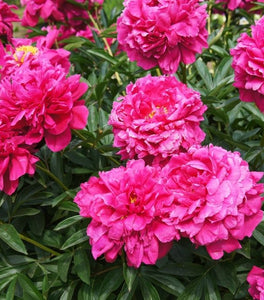


Images Depict Mature Plants
Karl Rosenfield Peony
Paeonia x 'Karl Rosenfield'
Karl Rosenfield is the peony I picture when someone says “classic red peony”. Big, fragrant, fully double blooms that look like they belong in a vase on the kitchen table. Plant it shallow, give it sun, and space it so air can move through the clump, and you’ll get years of bold spring flowers that feel like a tradition you started on purpose.

Take 15% OFF SITEWIDE
Use Coupon Code: MADNESS15
📦 Free shipping on orders over $99.
Delay shipping by leaving us a message at Checkout.
Share:



Fragrant Double Red Peony With Classic Blooms For Borders And Bouquets
Big, Fragrant Double Red Blooms With Show-Stopper Color
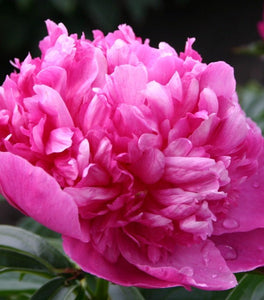
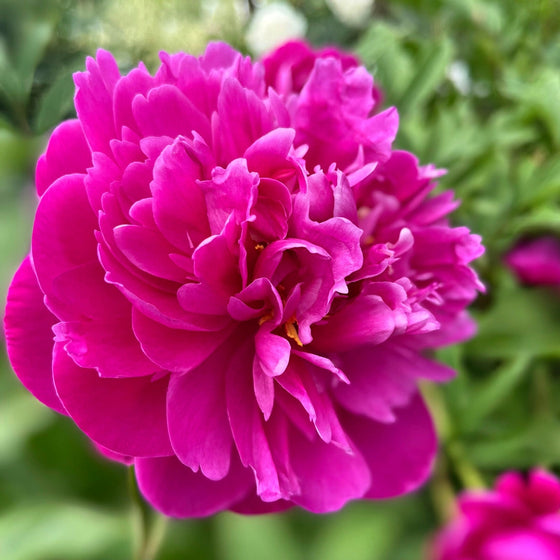
Karl Rosenfield Peony is the kind of plant that makes you stop mid-walk and stare. The blooms are fully double, richly saturated red, and wonderfully fragrant—classic peony glamour with a bold, confident color that reads beautifully from a distance. In late spring, the plant becomes a focal point all on its own, delivering that “special occasion” look without needing a complicated planting plan.
Even after flowering, the deep green foliage forms a full, tidy mound that keeps your beds looking lush through summer. Tuck it into a perennial border, plant it near a patio where fragrance matters, or let it anchor a sunny foundation bed. It’s timeless, reliable, and instantly elevates any landscape style, cottage, formal, or modern mixed borders.
A Cutting-Garden Staple With Stems Made For Vases
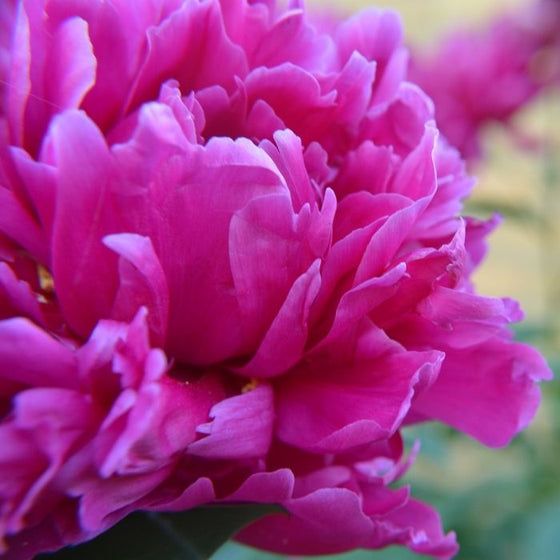
If you grow flowers to bring indoors, Karl Rosenfield is pure payoff. The large double blooms add instant volume and drama to arrangements, and the fragrance turns a simple bouquet into a whole-room experience. For best vase life, cut stems when buds are plump and just beginning to soften, then let them open indoors for that slow, luxurious unfurl.
In the garden, it’s equally useful as a repeating rhythm plant. Plant a small drift along a fence, line a sunny walkway with evenly spaced clumps, or mix it with lighter tones like white alliums, blush irises, and soft catmint to let the red blooms pop. It’s the rare perennial that feels both “old garden soul” and truly florist-grade.
Long-Lived, Low-Fuss Perennial That Gets Better Over Time
Peonies are famous for longevity, and Karl Rosenfield fits that “plant it once, enjoy it for years” reputation when it’s sited well. Give it sun, well-drained soil, and a permanent home, and it will build into a fuller clump with more buds as seasons pass. It’s also commonly considered deer-resistant, which makes it a smart choice for gardeners who want big spring flowers without constant browsing anxiety.
The biggest success factor is simple: don’t bury it too deep, and don’t keep moving it around. Keep mulch light and off the crown, water during dry spells while it’s establishing, and let the foliage remain after bloom so it can recharge next year’s flowers. With steady, simple care, this becomes one of the most dependable spring perennials you’ll own.
Stronger Plants With Smart Spacing And Simple Support
Those lush double blooms can be heavy, especially after rain, so spacing and optional support make a noticeable difference. Give each plant room so air can move through the foliage, and let the stems mature with strength. Proper airflow helps keep foliage healthier, reduces crowding, and makes the clump easier to maintain as it expands over the years.
In windy sites or very rich soils that create softer stems, add a discreet peony ring early in the season so stems grow through it naturally. The support becomes invisible, but the blooms stay upright and show-ready. Combine good spacing with early support, and you get the best version of Karl Rosenfield: bold red flowers held high, easier harvesting for bouquets, and a clean, polished look in the border.
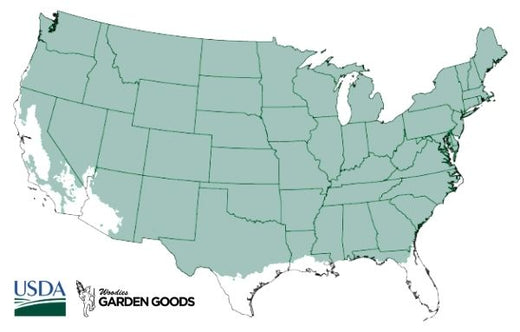
| Hardiness Zone: | 3-8 |
|---|---|
| Mature Height: | 2 to 3 Feet |
| Mature Width: | 2 to 3 Feet |
| Sunlight: | Full sun to part shade |
| Water Requirements: | Average; keep evenly moist while establishing |
| Soil | Fertile, well-drained soil |
| Bloom Time / Color | Late spring to early summer; double red blooms, fragrant |
| Wildlife Value | Flowers can attract bees and butterflies |
| Resistance (deer/disease/drought/etc.) | Deer and rabbit resistant; may benefit from support in rain/wind |
| Landscape Uses | Borders, cutting gardens, cottage gardens, foundation beds, specimen clumps |
How to Care for Karl Rosenfield Peony
Be sure to read our planting instructions to ensure a healthy and happy Karl Rosenfield Peony plant for years to come!

How should I plant Karl Rosenfield Peony?
Plant Karl Rosenfield Peony in full sun (or light afternoon shade in hot-summer areas) in fertile, well-drained soil. Dig a wide hole, loosen the surrounding soil, and mix in compost if your soil is lean. Set the root so the “eyes” (buds) sit just 1–2 inches below the soil surface—planting too deep is the most common reason peonies don’t bloom. Water deeply to settle the soil, then mulch lightly to conserve moisture—keeping mulch off the crown so the eyes aren’t buried. Choose a permanent spot where it can stay for years, because peonies perform best when left undisturbed and allowed to build a strong root system.
-v1744994910526.png?89x84)
How often should I water Karl Rosenfield Peony after planting?
Water deeply right after planting, then keep the soil evenly moist (not soggy) during the first growing season. In most gardens, that means a deep soak about 1–2 times per week when rainfall is light, with extra attention during hot, windy stretches or in fast-draining soils. Once established, peonies are fairly resilient, but they’ll bloom and grow best with deep watering during extended drought—especially in spring when stems and buds are forming. Water at the base to keep foliage drier and help reduce disease issues during humid weather.
-v1744994947621.png?90x89)
When should I fertilize Karl Rosenfield Peony?
Fertilize in early spring as shoots emerge with a balanced, slow-release fertilizer, or top-dress with compost around the plant. Keep fertilizer off the crown and focus on the root zone so you support sturdy stems and flower production rather than forcing lush, floppy foliage. A second light feeding after flowering (or simply refreshing compost and mulch) can help replenish energy for next year’s buds, especially in sandy or depleted soils. Avoid heavy high-nitrogen feeding, which can push leafy growth at the expense of blooms.

When and how should I prune Karl Rosenfield Peony?
After flowering, deadhead spent blooms back to a strong set of leaves to keep the plant tidy, but leave the foliage intact through summer and early fall. Those leaves are feeding the roots and building next year’s flowering potential. In late fall after frost, cut stems back to the ground and remove old foliage and debris from around the plant. This cleanup helps reduce overwintering issues and sets you up for a clean, vigorous spring regrowth.