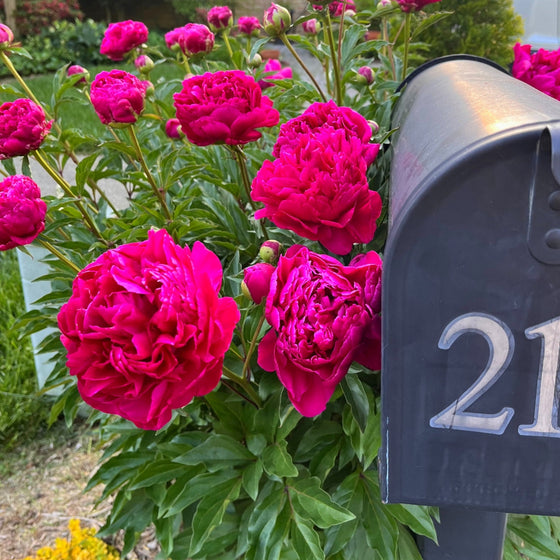
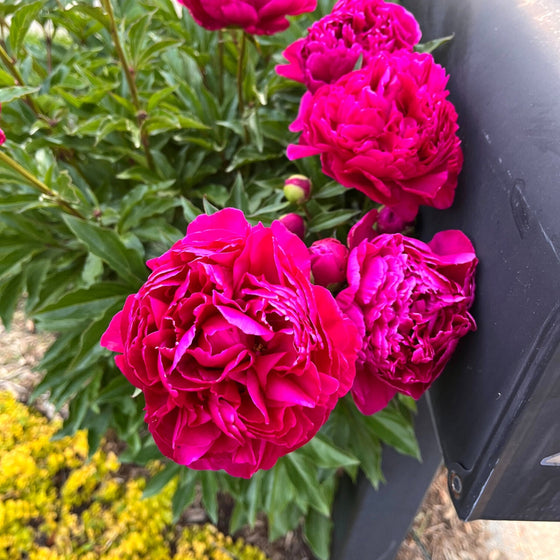


Images Depict Mature Plants
Kansas Peony
Paeonia lactiflora 'Kansas'
Kansas is one of my favorite “plant it once and smile every spring” peonies—deep red, fully double blooms, a real fragrance, and that classic cut-flower magic where a few stems make the whole house feel dressed up. Keep the eyes shallow, give it room, and add a simple ring early if your site gets wind or heavy rain, and you’ll get bold, upright blooms that look like you grew them for a photo shoot.

15% OFF SITEWIDE SUMMER SALE
Use Code HELLOSUMMER15 at Checkout!
📦 Free shipping on orders over $99.
Delay shipping by leaving us a message at Checkout.
Share:



Fragrant Double Red Peony With Bold Color And Cut-Flower Power
Fragrant Double Red Blooms That Steal The Late-Spring Spotlight
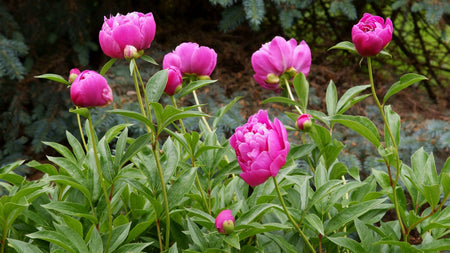
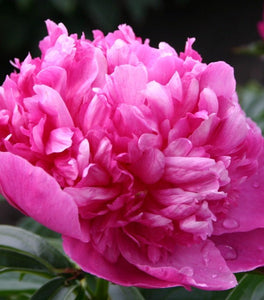
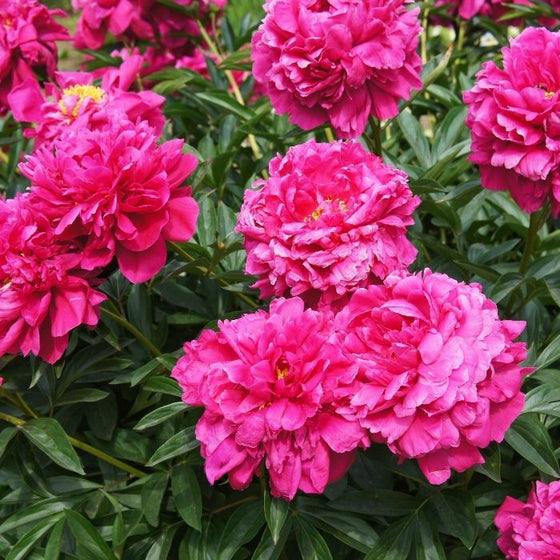
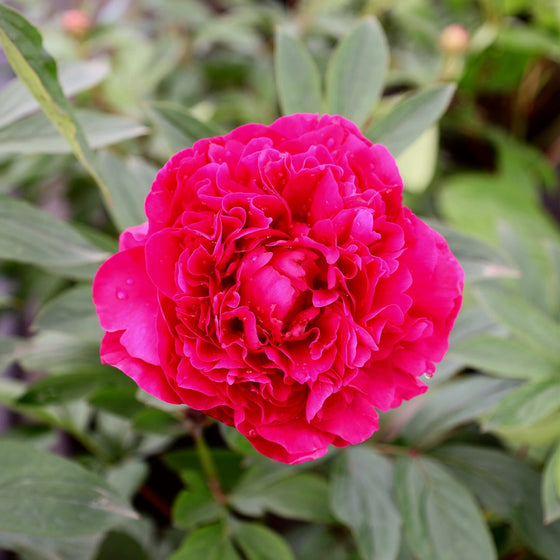
Kansas Peony brings that unmistakable peony look: lush, fully double blooms in a rich, true red that reads bold from across the yard and absolutely stunning up close. When the buds open, the plant feels like instant celebration: romantic, classic, and dramatic without being fussy. The fragrance is the finishing touch, especially when you plant it near a walkway or patio where you’ll brush past it in late spring and early summer.
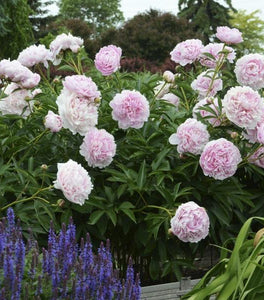
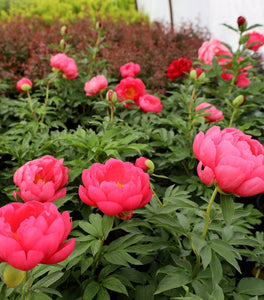
This variety is also known for a strong presence on the border. The foliage forms a full, leafy clump that looks substantial even when the flowers are finished, helping your beds stay “filled in” through summer. Pair it with spring bulbs (peonies rise as bulb foliage fades), or weave it into cottage-style plantings with catmint, salvias, and roses for a layered look that feels established and intentional.
Cut-Flower Favorite For Big Vases And Florist-Style Arrangements
If you’re planting a cutting garden, Kansas Peony is a must. Those big double blooms give you instant volume in a vase—just a few stems can create a centerpiece that looks professionally arranged. For the longest vase life, cut buds when they’re plump and just starting to soften, then let them open indoors for that dramatic “reveal” over the next day or two.
In the landscape, Kansas is equally useful as a repeating rhythm plant. Plant a small drift along a fence line, tuck a clump into the front yard as a seasonal focal point, or use it to punctuate mixed perennial borders. Because the color is so saturated, it pairs beautifully with whites, blush tones, and silvery foliage, giving you a high-contrast, high-impact spring moment that photographs beautifully and feels even better in person.
Long-Lived, Deer-Resistant Perennial That Improves With Time
Kansas Peony is the kind of perennial you plant once and enjoy for years. Peonies are famously long-lived when given sun, good drainage, and a spot where they can stay put. Kansas is also commonly considered deer-resistant, which is a big win if browsing pressure limits your spring flower choices. Once established, it becomes a reliable “annual event” in the garden, returning each year with stronger stems and more buds as the clump matures.
The secret to easy peony success is patience and permanence. Avoid moving it around, don’t bury the crown under heavy mulch, and let the foliage do its job after bloom, feeding the roots so next year’s flowers are even better. With simple care and the right planting depth, Kansas becomes one of those plants you’re genuinely proud to own.
Upright, Show-Ready Plants With Smart Spacing And Simple Support
Those lush double blooms can get heavy, especially after rain, so spacing and support are the two “small moves” that make Kansas look its best. Give each plant room so air can flow through the foliage and stems can develop with strength. That airflow matters for overall vigor and helps reduce the humidity that can lead to foliar issues in crowded plantings.
In windy sites or rich soils that produce softer growth, a discreet peony ring placed early in the season is an easy upgrade. Stems grow through it naturally, so the support disappears and the flowers stay upright and photo-ready. Combine proper spacing with early support, and you’ll get the best version of Kansas: bold red blooms held high, easy to cut, and stunning from every angle.
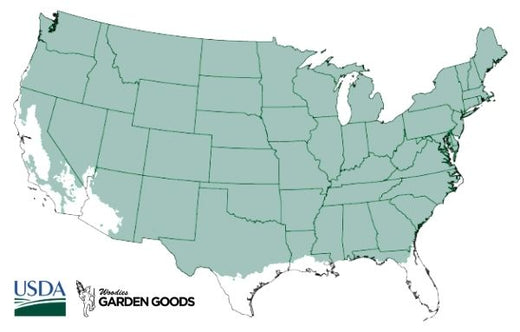
| Hardiness Zone: | 3-8 |
|---|---|
| Mature Height: | 30 to 36 Inches |
| Mature Width: | 30 to 36 Inches |
| Sunlight: | Full sun (tolerates light/part shade) |
| Water Requirements: | Average; keep evenly moist while establishing |
| Soil | Fertile, well-drained soil |
| Bloom Time / Color | Late spring to early summer; double red blooms, fragrant |
| Wildlife Value | Flowers can attract bees and other pollinators |
| Resistance (deer/disease/drought/etc.) | Deer resistant; may benefit from support in rain/wind |
| Landscape Uses | Borders, cutting gardens, foundation beds, cottage gardens, specimen clumps |
How to Care for Kansas Peony
Be sure to read our planting instructions to ensure a healthy and happy Kansas Peony plant for years to come!
-v1745512080479.png?92x91)
How should I plant Kansas Peony?
Plant Kansas Peony in full sun (or light afternoon shade in hot-summer areas) in fertile, well-drained soil. Dig a wide hole, loosen the surrounding soil, and mix in compost if your soil is lean. Set the root so the “eyes” (buds) sit just 1–2 inches below the soil surface—planting too deep is the most common reason peonies don’t bloom. Water deeply to settle the soil, then mulch lightly to conserve moisture—keeping mulch off the crown so the eyes aren’t buried. Choose a permanent spot where it can stay for years, because peonies perform best when left undisturbed and allowed to build a strong root system.
-v1745512115566.png?89x84)
How often should I water Kansas Peony after planting?
Water deeply right after planting, then keep the soil evenly moist (not soggy) during the first growing season. In most gardens, that means a deep soak about 1–2 times per week when rainfall is light, with extra attention during hot, windy stretches or in fast-draining soils. Once established, peonies are fairly resilient, but they’ll bloom and grow best with deep watering during extended drought—especially in spring when stems and buds are forming. Water at the base to keep foliage drier and help reduce disease issues during humid weather.
-v1745512139224.png?90x89)
When should I fertilize Kansas Peony?
Fertilize in early spring as shoots emerge with a balanced, slow-release fertilizer, or top-dress with compost around the plant. Keep fertilizer off the crown and focus on the root zone so you support sturdy stems and flower production rather than forcing lush, floppy foliage. A second light feeding after flowering (or simply refreshing compost and mulch) can help replenish energy for next year’s buds, especially in sandy or depleted soils. Avoid heavy high-nitrogen feeding, which can push leafy growth at the expense of blooms.

When and how should I prune Kansas Peony?
After flowering, deadhead spent blooms back to a strong set of leaves to keep the plant tidy, but leave the foliage intact through summer and early fall. Those leaves are feeding the roots and building next year’s flowering potential. In late fall after frost, cut stems back to the ground and remove old foliage and debris from around the plant. This cleanup helps reduce overwintering issues and sets you up for a clean, vigorous spring regrowth.