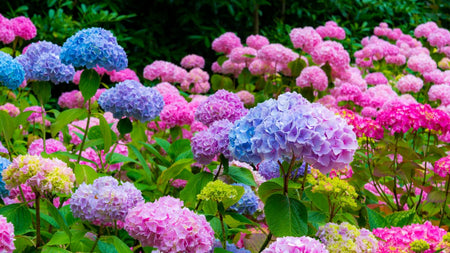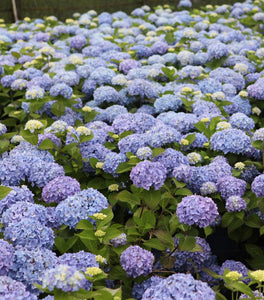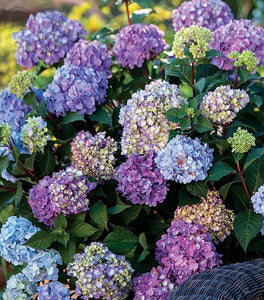


Images Depict Mature Plants
L.A. Dreamin'® Hydrangea
Hydrangea macrophylla 'Lindsay Ann' PP26249
L.A. Dreamin’® is the hydrangea I reach for when someone wants “something different” but still wants that classic mophead look. The multi-color blooms are the magic—blue, pink, purple, sometimes all at once—and it turns a simple bed into a conversation piece. Give it morning sun, afternoon shade, steady moisture, and gentle pruning, and it’ll keep your landscape looking lush and colorful through the heart of summer.

Save Up to 25% On Your Order! Limited Time Only!
Discount Applied Automatically At Checkout
📦 Free shipping on orders over $99.
Delay shipping by leaving us a message at Checkout.
Share:


L.A. Dreamin’® Hydrangea for Multi-Color Blooms, Big Mopheads, and Long-Season Curb Appeal
Multi-Color Mophead Blooms That Stop People In Their Tracks
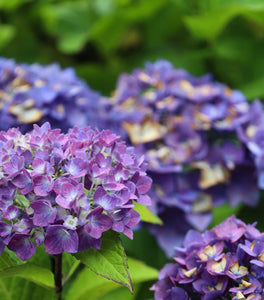
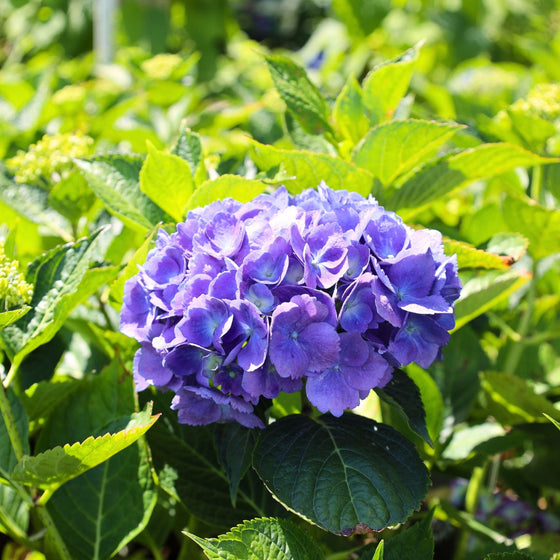
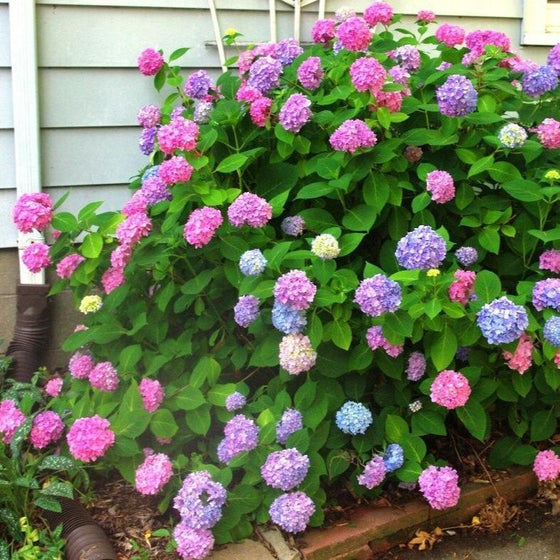
L.A. Dreamin’® is the hydrangea that makes people do a double-take. Instead of choosing “blue or pink,” this variety is famous for showing multiple colors—blue, pink, purple, and even bi-color effects—often on the same plant. The blooms are full mopheads, so you still get that classic hydrangea look, but with a living watercolor palette that changes as the season develops and as soil chemistry varies across the root zone.
That multi-color effect makes it an instant focal point for foundation beds, entry plantings, and patio borders. It’s especially striking when you plant it where you’ll see it often—near a front walk, by a porch, or along a backyard sitting area. If you want a hydrangea that feels unique without being “fussy,” L.A. Dreamin’® gives you a showpiece look while still behaving like a reliable landscape shrub.
A Part-Shade Favorite That Looks Lush Even Between Blooms
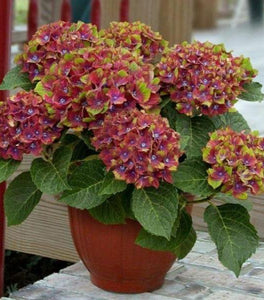
Beyond the flowers, L.A. Dreamin’® is a strong landscape plant with big, rich green leaves that fill space beautifully. It typically grows into a rounded shrub in the 3 to 5 foot range (height and width), making it substantial enough to anchor a bed without overwhelming it. That size is ideal for layered planting designs—tucked behind low evergreens or in front of taller screening shrubs—so the hydrangea becomes a lush, leafy “middle layer” topped with blooms.
For best performance, aim for morning sun with afternoon shade (or bright, filtered light). Too much hot afternoon sun can stress bigleaf hydrangeas, leading to wilting and weaker bloom cycles. With the right exposure and a consistent watering routine, L.A. Dreamin’® keeps its foliage full and healthy, which makes the flower show look even bigger when it arrives.
Long-Season Flower Power With A More Forgiving Bloom Habit
One of the reasons gardeners love L.A. Dreamin’® is that it can deliver a longer bloom window than many traditional bigleaf hydrangeas. While bloom behavior varies by climate and care, it’s often described as a reblooming or extended-bloom type—meaning you may see additional flowers later in the season, not just one early-summer flush. That makes it a great choice if you want hydrangea color that lasts, especially in high-visibility areas like front-of-house beds.
The biggest support for long-season blooming is steady moisture and low stress. Hydrangeas don’t like “roller coaster” watering—soaking, then drying out hard—especially during bud set and flowering. Mulch, compost-rich soil, and deep, base-level watering help keep the plant comfortable so it can keep producing flowers and maintaining that eye-catching multi-color effect.
Simple Pruning And Spacing That Keep Flowers Coming Back
Pruning is where many hydrangea shoppers get nervous, but L.A. Dreamin’® can be kept simple. The safest approach is light pruning and cleanup: remove dead stems, winter-damaged tips, and spent blooms, then let the plant keep as much flowering wood as possible. If your plant needs shaping, do so gently and avoid heavy cutbacks, as these can reduce the number of flowering stems.
Spacing matters just as much as pruning. Give the shrub room for airflow—typically about 4 to 5 feet apart center to center—so leaves dry faster and stay cleaner. Keep a 2–3-inch mulch layer to stabilize moisture and root temperatures, and water consistently in hot weather. With smart spacing and minimal pruning, L.A. Dreamin’® stays lush, healthy, and bloom-forward—without turning hydrangea care into a guessing game.
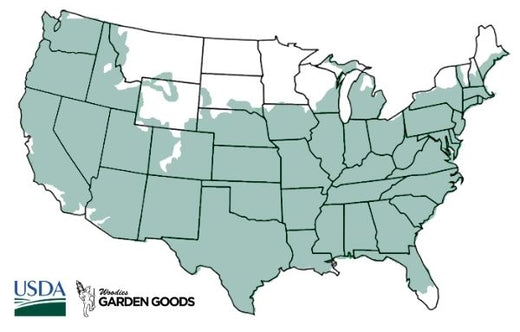
| Hardiness Zone: | 5-9 |
|---|---|
| Mature Height: | 3 to 5 Feet |
| Mature Width: | 3 to 5 Feet |
| Sunlight: | Morning sun to partial shade (afternoon shade best) |
| Bloom Time / Color: | Summer; multi-color blooms (blue/pink/purple), influenced by soil pH |
| Pruning Season: | Prune immediately after flowering, flowers on both old and new wood |
| Soil Condition: | Rich, well-drained soil with consistent moisture |
| Water Requirements: | Medium-high; water regularly, especially first year and in heat |
| Wildlife Value: | Can attract pollinators; adds garden habitat in mixed beds |
| Resistance: | Not reliably deer resistant; benefits from airflow to reduce leaf issues; not drought tolerant |
| Landscape Uses: | Foundation planting, mixed borders, focal point shrub, informal hedge, containers, cut flowers, part-shade beds |
How to Care for L.A. Dreamin'® Hydrangea
Be sure to read our planting instructions to ensure a healthy and happy L.A. Dreamin’® Hydrangea plant for years to come!
-v1770645140723.png?92x91)
How should I plant L.A. Dreamin’® Hydrangea?
Plant L.A. Dreamin’® in a location with morning sun and afternoon shade, or bright filtered light. Dig a hole about twice as wide as the root ball and set the shrub so the top of the root ball sits level with the surrounding soil. Backfill with native soil amended with compost, then water deeply to settle roots and remove air pockets. Finish with 2–3 inches of mulch to keep roots cool and soil evenly moist, keeping mulch a few inches away from the stems. Hydrangeas perform best when moisture is consistent, so choose a spot that’s easy to water during heat. If you’re planting multiple shrubs, space them so each plant can mature without crowding.
-v1770645169500.png?89x84)
How often should I water L.A. Dreamin’® Hydrangea after planting?
Water deeply right after planting, then keep soil consistently moist for the first several weeks. A good baseline is one to two deep waterings per week, adjusting for heat, wind, and drainage. Bigleaf hydrangeas prefer steady moisture, so avoid letting the root zone dry out completely between waterings. After the first season, continue watering during dry spells—especially during bud set and flowering. Water at the base to keep foliage drier and reduce leaf issues. Mulch helps stabilize moisture, which supports fuller blooms and stronger color.
-v1770645189305.png?90x89)
When should I fertilize L.A. Dreamin’® Hydrangea?
Fertilize in spring as new growth begins, using a slow-release shrub fertilizer or one labeled for hydrangeas. Apply it over the root zone (not against the stems) and water afterward so nutrients move into the soil. Compost also helps improve soil structure and moisture retention. If your soil is lean or you want to extend the bloom season, a light second feeding in early summer can help. Avoid heavy late-season fertilizing, which can push tender growth when the plant should be slowing down. Consistent, moderate feeding supports healthier foliage and steadier flowering.

When and how should I prune L.A. Dreamin’® Hydrangea?
Prune L.A. Dreamin’® lightly by removing dead stems and winter damage, then keep shaping minimal. The safest approach is to avoid heavy pruning and focus on cleanup so you preserve as much flowering wood as possible. If you remove spent blooms, cut just above a healthy set of buds. If you need to shape or reduce size, do it right after the main flowering period and keep cuts light. Avoid aggressive pruning in late summer or fall, which can reduce future bud development and stress the plant going into winter. Minimal pruning plus consistent moisture is the simplest path to the best bloom show.