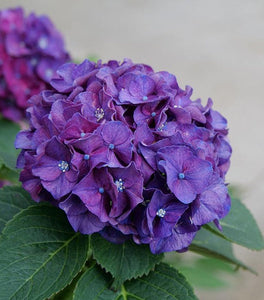
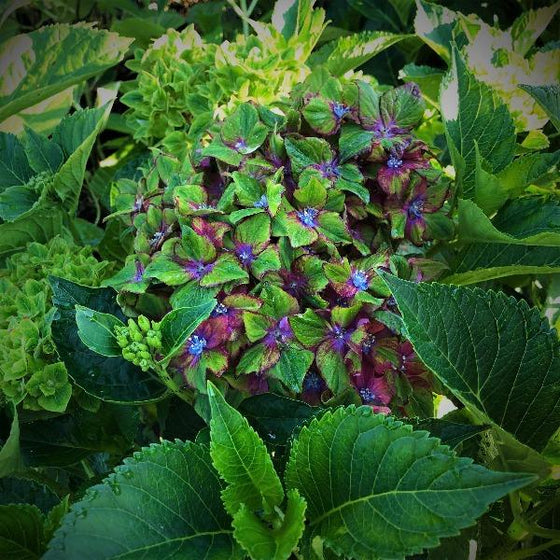
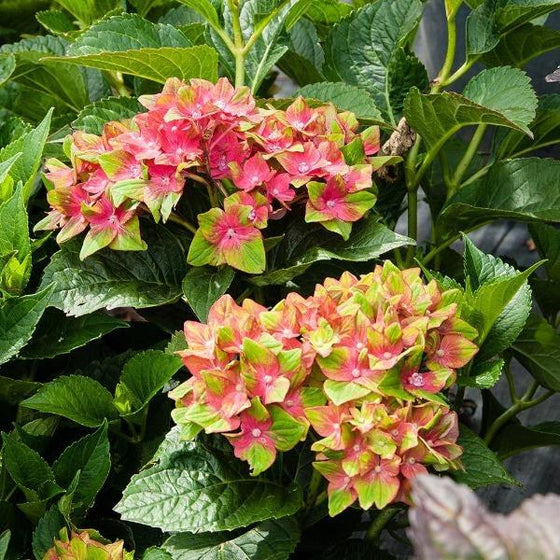
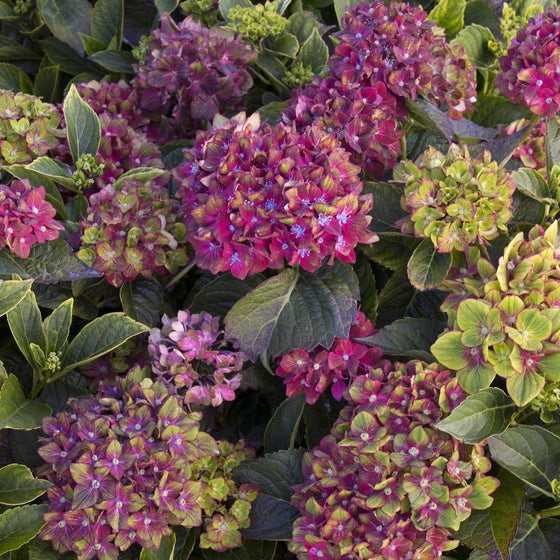


Images Depict Mature Plants
Pistachio Hydrangea
Hydrangea macrophylla ‘Horwack’ (Next Generation Pistachio) Plant Patent #25577
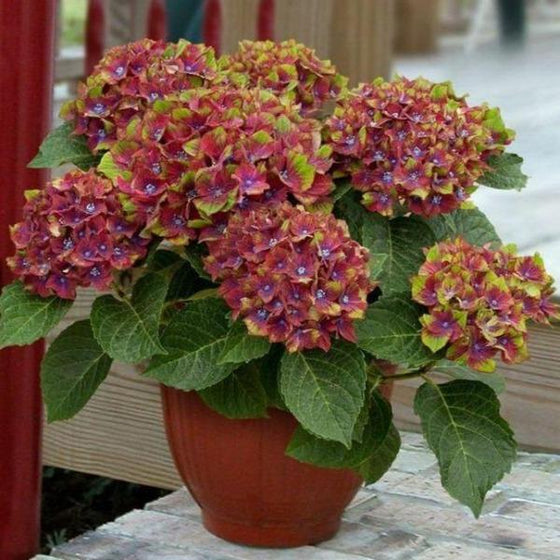
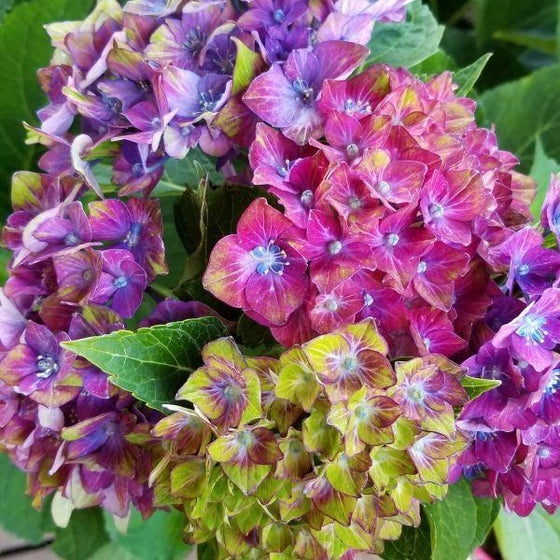
If you want a hydrangea that feels like a conversation piece, Pistachio is it—chartreuse blooms edged raspberry, with all those red-and-purple “mood shifts” that make the shrub look different every time you walk past it. Keep it comfortable with morning sun, steady moisture, and light pruning after a bloom flush, and it’ll reward you with a long season of color in a compact plant that fits real-life foundation beds and patio pots.

20% Off Sitewide Sale!
Use Code 'ENDOFSEASON20' At Checkout
📦 Free shipping on orders over $99.
Delay shipping by leaving us a message at Checkout.
Share:


Next Generation Pistachio Hydrangea With Multicolor “Pistachio” Blooms All Season
Color-Shift Mophead Blooms That Look Like A Living Arrangement
Next Generation Pistachio Hydrangea is the hydrangea you plant when you want people to do a double-take. Flower clusters open in a pistachio-chartreuse tone, then pick up raspberry edging and rich, jewel-like notes that can read red, purple, and bronze across the same bloom head. The effect is not a single flat color—it’s a layered, painterly mix that looks like a florist designed it, then decided to keep changing it week after week. If your landscape needs a “signature plant,” this one earns the title.
Because the color varies naturally from bloom to bloom, the shrub never looks static. It’s gorgeous near an entry, along a walkway, or beside a patio where you can enjoy the close-up detail. It also plays surprisingly well with other plants: chartreuse accents brighten dark evergreens, the raspberry tones echo coral and magenta perennials, and the deeper purples tie into blue-green foliage and silver-leaf companions.
Compact, Broad-Mounded Habit That Fits Small Beds And Stays Full
This is a compact bigleaf hydrangea, but it’s not a tiny ball. Expect a low, broad mound that typically reaches 2.5–3 feet tall while spreading to 3–5 feet wide, filling space beautifully without getting leggy. That low height makes it ideal for foundation beds and front borders where you want blooms at eye level, not towering over windows. The wider spread is a gift for design, too: it creates a “finished” look faster and gives you that lush, layered feel with fewer plants.
In mixed shrub borders, Pistachio works as a mid-layer anchor—tall enough to hold presence, short enough to keep sightlines open. It’s also a strong candidate for rhythmic planting: two or three, evenly spaced along a path, can look intentional and high-end. If you’re building a garden that feels curated rather than crowded, this hydrangea gives you structure plus color in one tidy package.
Repeat-Flowering Performance That Keeps Summer Looking Fresh
Next Generation Pistachio is prized for a long bloom window, often starting in late spring or early summer and continuing in waves through the warm season when conditions are good. That extended show matters in real landscapes: it keeps the bed looking “alive” through the exact months when most homeowners want the yard to feel its best. Instead of a short burst of color followed by a green shrub, you get ongoing color and changing tones that keep the plant interesting even as the season evolves.
To support repeat flowering, focus on consistency. Even moisture, mulch, and a comfortable light balance (especially protection from harsh afternoon sun in hotter regions) help the plant keep producing. Light deadheading can keep the shrub looking neat and may encourage continued blooming, but the biggest driver is stress reduction—steady watering during heat and avoiding big swings from drought to saturation.
Easy-To-Own Care With Smarter Pruning And Stronger Results
Pistachio is an approachable hydrangea when you follow two simple rules: keep the root zone evenly moist and prune with intention. Because this type can flower on both older and newer growth, it tends to be more forgiving than old-wood-only hydrangeas, but “forgiving” does not mean “hack it back.” The best approach is tidy, not severe: remove spent blooms, clean out dead wood, and shape lightly so the plant keeps a strong, blooming framework.
Give it well-drained, organic-rich soil and a mulch ring to stabilize moisture and temperature. In cooler climates, you can often give it more sun; in warm climates, morning sun with afternoon shade helps foliage stay clean and prevents scorched edges. Do that, and you get a compact shrub that looks intentionally planted, blooms in a long season, and brings a rare color story that no standard hydrangea can match.
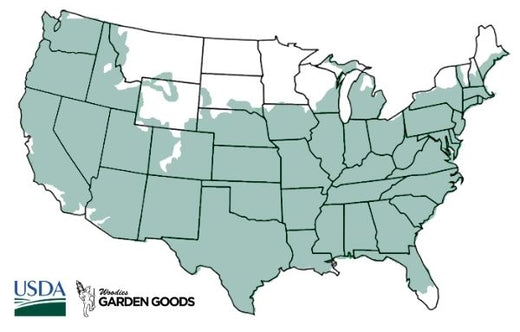
| Hardiness Zone: | 5-9 |
|---|---|
| Mature Height: | 2.5 to 3 feet |
| Mature Width: | 3 to 5 feet |
| Sunlight: | Partial sun / part shade (morning sun, afternoon shade in warm climates) |
| Bloom Time / Color: | Late spring through fall; chartreuse “pistachio” with raspberry edging and red/purple/bronze tones |
| Pruning Season: | Prune in late winter to remove dead stems, flowers on old and new wood |
| Soil Condition: | Moist, well-drained; organic-rich preferred |
| Water Requirements: | Moderate; consistent moisture for best bloom and foliage |
| Wildlife Value: | Seasonal garden interest; best paired with pollinator plants nearby |
| Resistance (deer/disease/drought/etc.): | Not deer resistant; mulch helps with drought stress; avoid prolonged wet foliage |
| Landscape Uses: | Foundation beds, borders, accents, low massing, patio containers, cut-flower |
How to Care for Pistachio Hydrangea
Be sure to read our planting instructions to ensure a healthy and happy Pistachio Hydrangea for years to come!
-v1770918600112.png?92x91)
How should I plant Next Generation Pistachio Hydrangea?
Plant Next Generation Pistachio Hydrangea in part shade with well-drained soil that stays evenly moist. Dig a hole about twice as wide as the root ball and just as deep, set the shrub so the top of the root ball is level with the surrounding soil, then backfill and water deeply to settle roots. If your soil is sandy, mix in compost to improve moisture-holding; if it’s heavy clay, loosen the surrounding area and add organic matter to support drainage and rooting. Finish with a 2–3 inch mulch ring to keep roots cool and reduce moisture swings, keeping mulch a few inches away from the stems. Place it where you can enjoy the changing bloom colors up close—near an entry, along a walkway, or beside a patio—because the “pistachio to raspberry” detail is part of what makes this variety special.
-v1770918620506.png?89x84)
How often should I water Next Generation Pistachio Hydrangea after planting?
For the first 2–3 weeks, water every 2–3 days so the root zone stays evenly moist (not soggy), especially during warm or windy weather. After that, transition to deep watering about once per week, increasing to once or twice weekly during heat or drought. A slow soak at the base is best because it encourages deeper roots and steadier growth. Once established, Pistachio still performs best with consistent moisture during late spring and summer when buds and blooms are developing. In containers, expect to water more often because pots dry out faster—especially on sunny patios and near warm walls—so check moisture regularly and water before the plant wilts.
-v1770918641980.png?90x89)
When should I fertilize Next Generation Pistachio Hydrangea?
Fertilize in early spring as new growth begins using a balanced, slow-release fertilizer. This supports healthy foliage and strong flowering without pushing overly soft growth. If you prefer a gentler routine, top-dress with compost and refresh mulch each spring—healthy soil and steady moisture often matter more than heavy feeding for bigleaf hydrangeas. Avoid strong fertilizing late in summer, which can encourage tender growth at the wrong time. If the plant is in a container, use a light, steady feeding plan and water thoroughly so salts do not build up in the potting mix

When and how should I prune Next Generation Pistachio Hydrangea?
Prune Next Generation Pistachio Hydrangea lightly and with good timing. In early spring, remove only dead wood once you can clearly see which stems are alive. For shaping, do cuts right after a bloom flush so you preserve future buds and keep repeat flowering strong. Deadheading spent blooms is often the most helpful “pruning,” especially if you want the plant to look tidy and keep producing a fresh display. Avoid hard pruning in fall or winter. If you need size control, thin selectively—remove a small number of older stems at the base over time rather than cutting everything back at once. That gradual approach keeps the shrub full, protects bloom potential, and supports the broad, mounded habit that makes Pistachio look so lush.