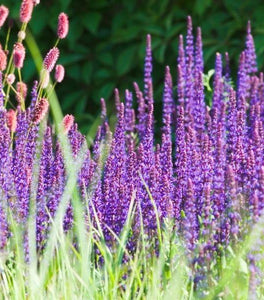
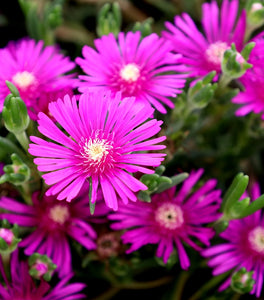
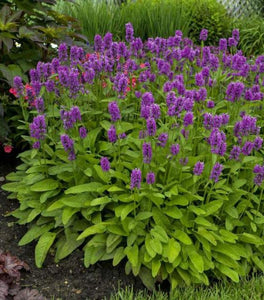
Images Depict Mature Plants
Blue Glow Globe Thistle
Echinops bannaticus 'Blue Glow'
Blue Glow Globe Thistle is the kind of perennial I reach for when a planting needs something striking and a little unexpected. Those vivid blue globe flowers bring incredible contrast to sunny borders, and I really appreciate how they pair architectural form with pollinator value and drought tolerance. This is a smart choice for homeowners who want a blue flowering perennial that looks bold in the landscape, holds up in summer heat, and also earns its place in cut flower gardens and dry garden designs.

15% OFF SITEWIDE, USE CODE 'FALLPLANT15'
📦 Free shipping on orders over $99.
Delay shipping by leaving us a message at Checkout.
Share:



Electric Blue Globe Blooms for Sunny Borders and Pollinator Gardens
A Bold Blue Perennial That Instantly Adds Structure
Blue Glow Globe Thistle is one of those perennials that changes the entire feel of a planting the moment it comes into bloom. Its vivid, spherical blue flower heads rise above spiny, silvery-green foliage on upright stems, bringing a crisp architectural quality that stands out from softer, looser summer flowers. For homeowners who want a perennial that adds both color and structure, this globe thistle delivers a look that feels clean, modern, and unforgettable.
The flower form is a major part of the appeal. Each bloom forms a rounded, bristly globe that reads almost like garden sculpture, especially when planted in groups. That shape gives the plant a strong visual rhythm in a border and makes it especially effective when paired with grasses, coneflowers, salvias, yarrow, and other sun-loving perennials. Instead of blending into the planting, Blue Glow creates punctuation points of saturated blue that draw the eye again and again.
Its upright habit also makes it useful as more than just a flower color accent. This is a perennial that helps a border stand up and feel intentional through the middle of summer, when some plantings begin to soften or sprawl. Blue Glow brings order, height, and contrast without becoming bulky or heavy, which is one of the reasons it works so well in both cottage-style and more contemporary gardens.
For gardeners seeking a blue-flowering perennial that adds structure and bloom power, this is a standout selection. It brings real personality to the border while still fitting easily into a wider planting design.
Long-Lasting Summer Color with Pollinator Appeal
Blue Glow Globe Thistle blooms in mid to late summer, a time when many gardens need a boost of fresh energy and stronger vertical interest. Its electric-blue flower globes arrive on sturdy stems and keep the planting lively through the heat of the season, often extending toward early fall. That timing makes it especially valuable in perennial borders where spring flowers have already passed, and homeowners want color that feels fresh rather than repetitive.
The blooms are also highly attractive to pollinators. Bees and butterflies are frequent visitors, which makes this perennial a strong fit for wildlife-friendly gardens and mixed borders designed with ecological value in mind. For homeowners who want their landscape to feel active and alive in summer, Blue Glow brings not only color but also motion and pollinator activity.
Another strong advantage is its performance as a cut flower and dried flower. The round blooms hold beautifully in arrangements and retain their bold form even after cutting, giving the plant value beyond the garden bed. Homeowners who enjoy bringing flowers indoors will appreciate that Blue Glow offers something more distinctive than the usual daisy or spike-shaped cut flower.
That mix of bloom power, pollinator support, and design versatility makes Blue Glow Echinops especially rewarding. It delivers a strong summer display while also fitting beautifully into cutting gardens, prairie-style plantings, and perennial combinations built around texture and movement.
A Smart Fit for Sunny Borders, Gravel Gardens, and Dry Landscapes
Blue Glow Globe Thistle performs best in full sun and is especially well-suited to sites where many traditional perennials begin to struggle. It thrives in lean to average, sharply drained soil and appreciates drier conditions once established. That makes it an excellent choice for gravel gardens, dry borders, prairie-inspired plantings, and hot sunny beds where homeowners want long-lasting color without building the design around thirsty plants.
Its mature size gives it flexibility in the landscape. Blue Glow typically grows about 3 to 4 feet tall and around 1 to 2 feet wide, which makes it tall enough to rise above neighboring perennials without taking over the space. It works beautifully in the middle or back of a sunny border, where the blue globes can hover above lower flowers and grasses. In mass plantings, repeating it creates a very intentional rhythm that feels artistic and high impact.
This is also an especially good perennial for gardeners who want a more architectural planting style. The spiny, deeply cut foliage and round flower heads bring contrast to softer leaves, looser flower forms, and feathery ornamental grasses. Blue Glow helps create the kind of planting that feels layered and designed rather than merely full.
Because it tolerates heat and drier conditions once established, it is also a smart option for lower-maintenance sunny landscapes. It is not the kind of perennial that asks for rich soil, frequent feeding, or constant pampering. In fact, it often performs best when it is not overindulged.
Easy-Care Performance with Strong Stems and Lasting Character
One of the most appealing things about Blue Glow Globe Thistle is how little fuss it needs to look impressive. It performs best when planted in well-drained soil with full sun and generally prefers modest conditions over overly rich ones. Heavy fertilizer and overly fertile soil can actually work against it by encouraging softer, weaker growth, so this is a perennial that rewards a lighter hand.
During establishment, regular watering helps the roots settle in and support strong bloom production. After that, Blue Glow becomes notably drought-tolerant and is often happiest when the soil is allowed to dry somewhat between soakings. That makes it especially useful for homeowners who want a blue-flowering perennial with good summer stamina and less need for constant irrigation.
Maintenance is straightforward. Deadheading can encourage a cleaner appearance and may support additional bloom, while leaving some seedheads in place can extend the plant’s visual interest and make it useful in dried arrangements. The spent flower heads also add texture to the fall and winter garden if allowed to remain for a while. Deer also tend to leave this plant alone, which adds another layer of practicality for many home landscapes.
For gardeners who want a pollinator perennial with strong stems, bold color, and easy-care character, Blue Glow Echinops is a highly rewarding choice. It is one of those plants that looks distinctive and design-driven while still being very manageable in everyday garden conditions.
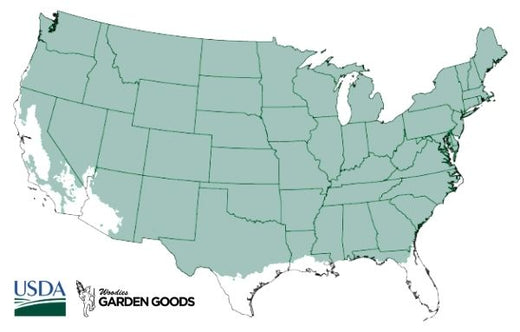
| Hardiness Zone: | 3-8 |
|---|---|
| Mature Height: | 3 to 4 Feet |
| Mature Width: | 12 to 24 inches |
| Sunlight: | Full sun |
| Bloom Time / Color: | Mid to late summer into early fall; electric blue spherical blooms |
| Soil Condition: | Well-drained, lean to average soil; prefers drier conditions once established |
| Water Requirements: | Moderate during establishment; drought tolerant once established |
| Wildlife Value | Highly attractive to bees, butterflies, and other pollinators |
| Resistance (deer/disease/drought/etc.) | Deer resistant, drought tolerant once established, low-maintenance |
| Landscape Uses | Sunny border, pollinator garden, gravel garden, prairie planting, cutting garden, dried flower garden |
How to Care for Blue Glow Globe Thistle
After purchasing your Blue Glow Globe Thistle, be sure to read our recommended care instructions to ensure this perennial is happy and healthy for years to come.

How should I plant Blue Glow Globe Thistle?
Plant Blue Glow Globe Thistle in full sun in sharply well-drained soil. Dig a hole about twice as wide as the root ball and no deeper than the root ball itself, then place the plant so the crown sits level with the surrounding soil and backfill with the native soil. Water thoroughly after planting and avoid overly rich amendments that can encourage weak, floppy growth. This perennial performs best when it is given sun, drainage, and room to develop its upright habit rather than being crowded into overly fertile or damp conditions.

How often should I water Blue Glow Globe Thistle after planting?
Water Blue Glow Globe Thistle deeply right after planting, then keep the soil evenly moist during the establishment period. In the first growing season, that usually means watering during dry weather so the roots can settle in properly and support strong stems and bloom production. Once established, this plant is notably drought-tolerant and usually needs supplemental water only during extended hot, dry stretches. It performs better with occasional deep watering than with constant moisture, and overly wet soil is more likely to cause trouble than brief dryness.

When should I fertilize Blue Glow Globe Thistle?
Blue Glow Globe Thistle usually needs very little fertilizer. If your soil is especially poor, a light application of balanced slow-release fertilizer or compost in spring is enough to support healthy growth. Avoid heavy feeding or rich soil conditions, because too much fertility can lead to soft stems and reduced garden performance. In most cases, good drainage and full sun matter much more than fertilizing this perennial aggressively.

When and how should I prune Blue Glow Globe Thistle?
Cut back old stems in late winter or early spring before new growth begins. During the growing season, you can deadhead spent blooms to tidy the plant, reduce self-seeding, and sometimes encourage additional flowering. If you enjoy the dried flower heads or want late-season structure, leave some of the blooms standing into fall before cutting them back. The goal is to preserve the plant’s upright form while keeping it clean, vigorous, and ready for the next season.