
Long Blooming Perennial Flowers
Season-long color that keeps your beds looking “just planted.”
If you’ve ever looked at your landscape in late July and thought, “Where did all the flowers go?”—this collection is your fix. Long-blooming perennials are chosen for one main job: to keep color coming for weeks (often months) with a simple care rhythm. The trick isn’t chasing a single “forever flower.” It’s planting a handful of reliable performers that overlap bloom windows from late spring into late summer and often push again as the season rolls on, especially when you deadhead or shear at the right time. A carefully planned perennial garden is known for continuous flowering potential, and long-blooming selections make that goal easier to achieve in real landscapes—front beds, mailbox plantings, patio borders, and cut-flower rows alike.
You’ll also love how “set-it-and-enjoy-it” these plantings can feel once they’re established. Give them the light they want (full sun is commonly defined as 6+ hours of direct sun), space them so air moves through, and keep watering consistently in year one—then let the plants do what they’re built to do. When questions pop up—when to cut back after a flush, how far apart to plant, or what to do when a clump starts to slow down—help is there through the We Grow Together Promise.


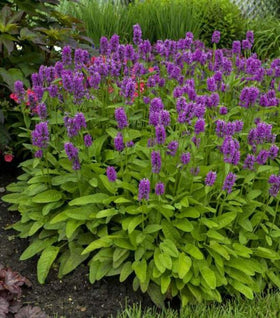
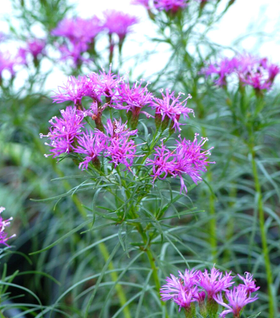


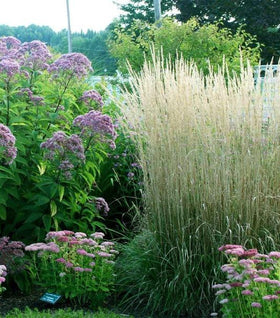
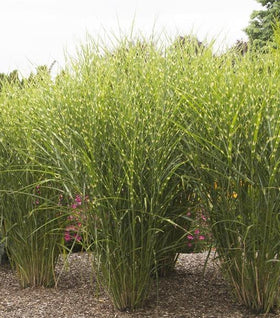
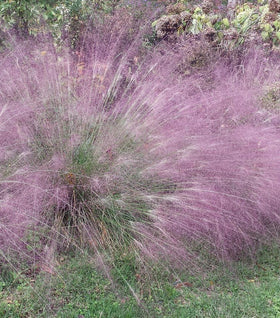
Karl Foerster Feather Reed Grass
As Low As $32.95
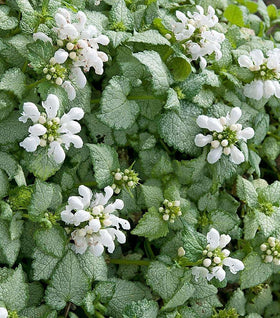


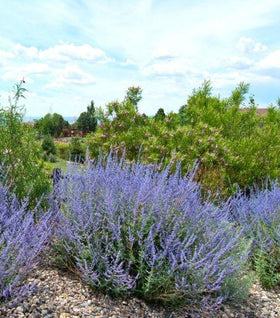



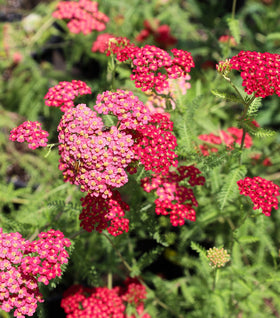
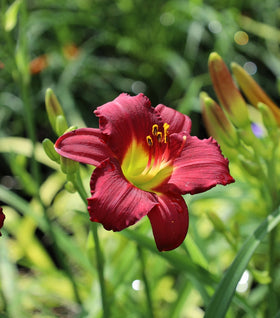

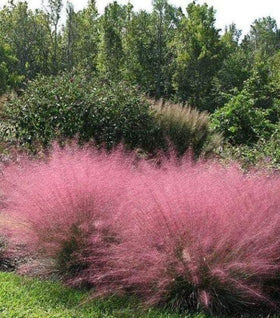



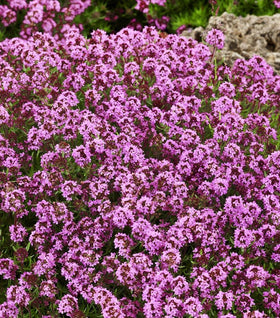

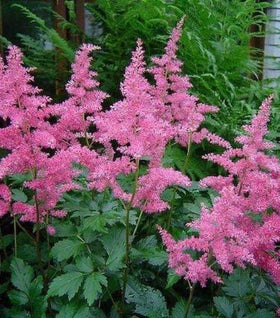


Russian Sage (Perovskia atriplicifolia)
As Low As $16.95
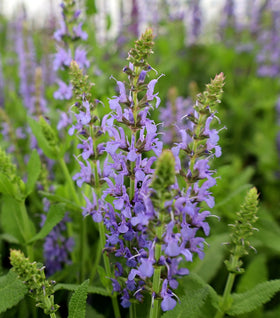



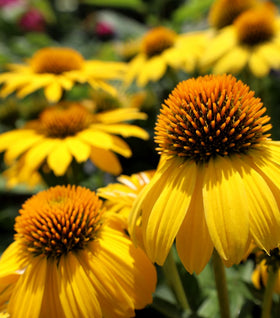
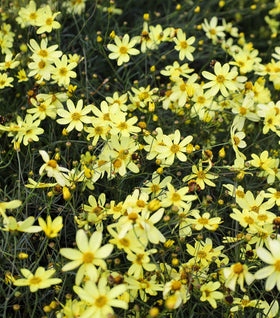
Sombrero Lemon Yellow Coneflower
As Low As $44.95


Get color that keeps going through the season.
Long-blooming perennials shine because they reduce the “gap weeks” in a garden. Instead of one big burst and a long fade, you’re building beds around plants that flower for extended stretches, then often repeat when you remove spent blooms or lightly shear. This is the same planning principle used in classic perennial design: combine plants for succession bloom so you can carry interest from spring through fall, with long bloomers acting as the dependable bridge between peak moments.
These perennials are also flexible by design. Many work in mixed borders with shrubs, in cutting gardens where you want steady stems to snip, and even in larger containers when you want ongoing color on a sunny patio. In-ground, they pair especially well with evergreen structure (for year-round shape) and grasses (for movement), but they don’t require a complicated plan to look good—just repeat a few favorites in drifts and let the long bloom window do the heavy lifting.
If you’re planting for pollinators, long bloom is a practical advantage. A longer flowering window generally means more consistent nectar and pollen availability throughout the season, and deadheading can keep certain perennials producing longer rather than diverting energy into seed production. You get a garden that looks lively and feels lively—more blooms, more visits, and more “wow” weeks without replanting.
See the blooms, height, and habit before you plant.
What you’re getting in this category is variety—with a common theme. Expect mounding plants that spread into tidy clumps, upright bloomers that add height in the middle or back of a border, and airy “fillers” that weave everything together. Mature size is the key to keeping that mix looking intentional: plan around the grown-up width (not the pot size), so plants can fill in without smothering neighbors and airflow stays strong.
Bloom windows are where long-blooming perennials earn their keep. Some will flower heavily for weeks, then repeat after a trim; others hold color for a long run when you keep removing spent blooms. Deadheading is widely recommended for many herbaceous ornamentals because it can encourage additional blooms and reduce unwanted seed pods. Certain perennials are specifically noted as benefiting from regular deadheading to prolong bloom or trigger rebloom.
Growth rate, realistically, looks like this: perennials settle in, then gain momentum. Clumps typically expand year to year, which is why dividing is such a common maintenance tool—both to control size and to rejuvenate older plants. When a favorite starts flowering less or becomes crowded in the middle, division (often timed to coincide with active growth, with many fall bloomers divided in spring) can bring it back to strong performance.
Place them for sun, repeat bloom, and easy picking.
Most long-blooming, flower-forward perennials perform best with plenty of sun. A useful benchmark is that “full sun” is commonly defined as six or more hours of direct sunlight per day, and strong sun exposure typically supports sturdier stems and better flower production. If your site is part sun, you can still get excellent bloom—just prioritize morning-to-midday light and avoid deep shade if long flowering is the goal.
Spacing is the secret to both looks and health. Plant far enough apart that mature foliage barely touches at peak season (or has a little breathing room), because better airflow reduces disease pressure and makes deadheading and cleanup faster. When mildew-prone plants are crowded—or pushed with excess nitrogen—they’re more likely to develop issues, so spacing and balanced feeding are simple, high-impact prevention steps.
For layout, think in terms of repeatable layers: low mounds along the edges, medium clumps in the main body, and a few taller bloomers as anchors. If you cut flowers, cluster the best repeat bloomers where you can reach them easily—deadheading and harvesting often overlap, and consistent picking can keep a planting looking fresh. With smart placement, you’ll get a border that keeps color and stays easy to maintain even during the hottest, busiest weeks of summer.
Keep care simple, then enjoy the long show.
Start strong with fundamentals: decent drainage, consistent moisture during establishment, and the right light level. After that, long-blooming beds are mostly about small, repeatable actions—especially deadheading. Removing spent flowers is specifically recommended because it encourages additional blooms on many plants and helps prevent energy from going into seed production instead of flowers.
Pruning timing is usually about the plant’s bloom cycle. Many repeat performers respond well to a midseason shear or cutback after the first flush—think “tidy it up, then let it push again”—while others are better deadheaded selectively to extend bloom without removing developing buds. When you’re unsure, prioritize removing spent blooms and lightly shaping, then save major cutbacks for the plant’s dormant season or recommended window.
Pests and diseases are manageable when you plan for them. Powdery mildew is one of the most common issues in ornamental beds, and the best prevention is cultural: don’t overcrowd, improve airflow, avoid late-season heavy nitrogen applications, and water so foliage doesn’t stay wet for long periods. Those steps keep plants looking better longer, which matters even more when the whole point is season-long display.