



Images Depict Mature Plants
Aquilegia canadensis
Aquilegia canadensis
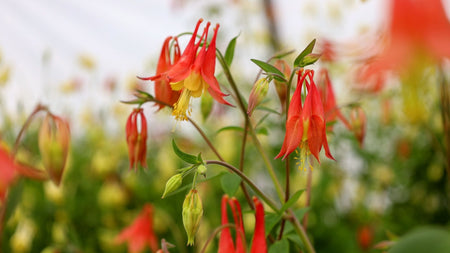
Red Columbine is one of those native perennials that feels light, natural, and full of life in the garden. The red and yellow flowers are delicate but easy to notice, especially when hummingbirds start visiting them in spring. I like it best tucked into woodland edges, shade borders, and native plantings where it can self-seed lightly and create that relaxed, natural look gardeners are often trying to achieve.

Save Up to 25% On Your Order! Limited Time Only!
Discount Applied Automatically At Checkout
📦 Free shipping on orders over $99.
Delay shipping by leaving us a message at Checkout.
Share:

Native Spring Color for Woodland and Pollinator Gardens
Graceful red and yellow flowers in spring.
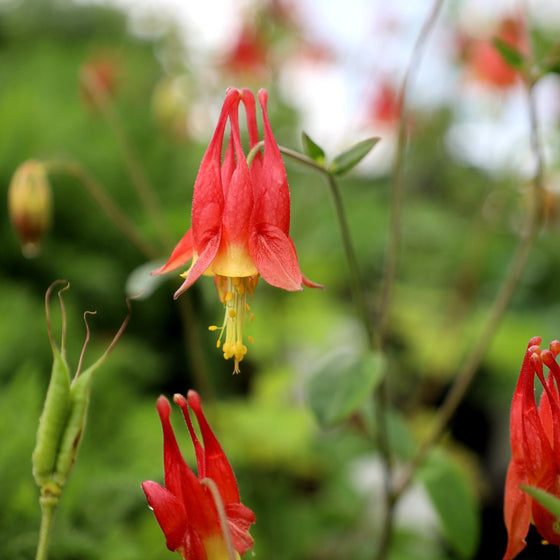
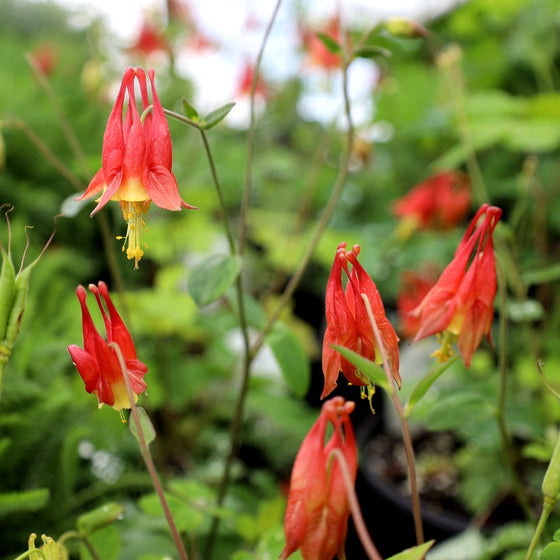
Red Columbine produces nodding, bell-like flowers with red outer sepals, yellow inner petals, and distinctive red spurs. The flowers appear in spring and bring a delicate, airy look to woodland gardens, shaded borders, native plantings, and naturalized areas.
A native wildflower with real wildlife value.
Aquilegia canadensis is native to eastern North America and is especially valuable for hummingbirds. The nectar-rich spurred flowers are also visited by bees, butterflies, and other pollinators, making this a meaningful plant for gardeners who want beauty with ecological purpose.
Perfect for part shade and woodland edges.
Red Columbine thrives in part shade and does especially well in rich, moist, well-drained soil. It also adapts to rocky slopes, open woods, and naturalized garden edges, giving homeowners a native perennial that feels right at home in informal and woodland-style landscapes.
Soft foliage that adds texture after bloom.
The delicate, fern-like green foliage gives Red Columbine a light, graceful texture even after the flowers fade. In cool, evenly moist conditions, the foliage can remain attractive into summer, while tired foliage can be cut back if it declines later in the season.
A naturalizing perennial for relaxed gardens.
Red Columbine is often short-lived as an individual plant, but it can self-seed in favorable conditions and maintain a natural colony over time. Let seedlings remain where they fall, or lightly edit them to create a more intentional drift through woodland beds, native gardens, and pollinator borders.
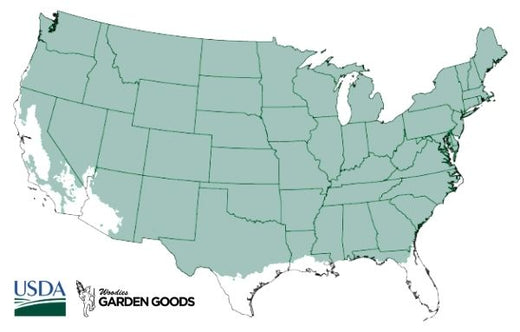
| Hardiness Zone: | 3-8 |
|---|---|
| Mature Height: | 1.5 to 3 Feet |
| Mature Width: | 12 to 18 Inches |
| Sunlight: | Part shade preferred; tolerates full sun with consistent moisture and full shade with reduced flowering |
| Soil | Moist, well-drained soil; adapts to rocky, sandy, loamy, humusy, and woodland soils |
| Water | Water regularly after planting; prefers even moisture but can tolerate some dry conditions once established |
| Bloom Time / Color | Spring, often April to May; red and yellow nodding flowers |
| Ornamental Features | Red and yellow spurred flowers, airy spring bloom, graceful native foliage, naturalizing habit |
| Wildlife Value | Attracts hummingbirds, bees, butterflies, bumblebees, and other pollinators |
| Resistance | Moderately deer resistant, rabbit resistant in many settings, adaptable, and generally low maintenance |
| Landscape Uses | Native gardens, woodland gardens, pollinator gardens, hummingbird gardens, shade borders, rock gardens, naturalized areas, slopes, open woods, and under open-canopy trees |
How to Care for Aquilegia canadensis
Be sure to read our planting instructions to ensure a healthy and happy Red Columbine Plant for years to come!
-v1777472792880.png?92x91)
How should I plant Red Columbine?
Plant Red Columbine in part shade with moist, well-drained soil. It performs especially well in woodland-style conditions, including areas with morning sun, filtered light, or open shade beneath trees. Dig a hole about twice as wide as the root ball and set the crown level with the surrounding soil. Backfill, water deeply, and space plants about 12 to 18 inches apart to allow the foliage and flower stems room to develop naturally.
-v1777472820091.png?89x84)
How often should I water Red Columbine after planting?
Water Red Columbine regularly during the first growing season while the roots establish. Keep the soil evenly moist, especially during warm or dry periods, but avoid soggy conditions. Once established, Red Columbine can tolerate some dry spells, especially in part shade. In full sun or sandy soils, water more often to help the foliage remain attractive and support healthy spring growth.
-v1777472842436.png?90x89)
When should I fertilize Red Columbine?
Fertilize Red Columbine lightly in spring if the soil is poor or growth appears weak. In most garden beds, compost or leaf mold is the best way to support this native perennial. Avoid heavy fertilizer, which can push soft growth and reduce the natural woodland character of the plant. A light organic top-dressing helps improve soil structure while keeping growth balanced.

When and how should I prune Red Columbine?
Prune Red Columbine after flowering if you want to reduce self-seeding or tidy the plant. Cut spent flower stems back after bloom, or leave some seedheads if you want the plant to naturalize. If the foliage becomes tired, damaged, or unattractive later in summer, cut it back to refresh the planting. Avoid removing fresh spring foliage too early, since those leaves help support root growth and future flowering.