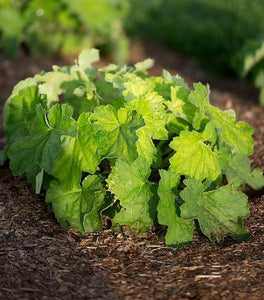
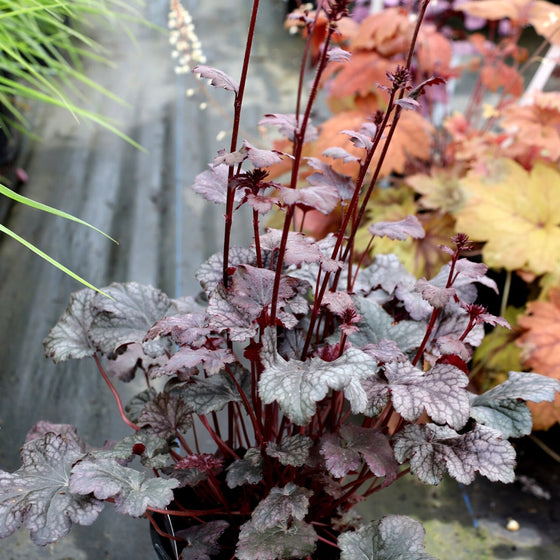
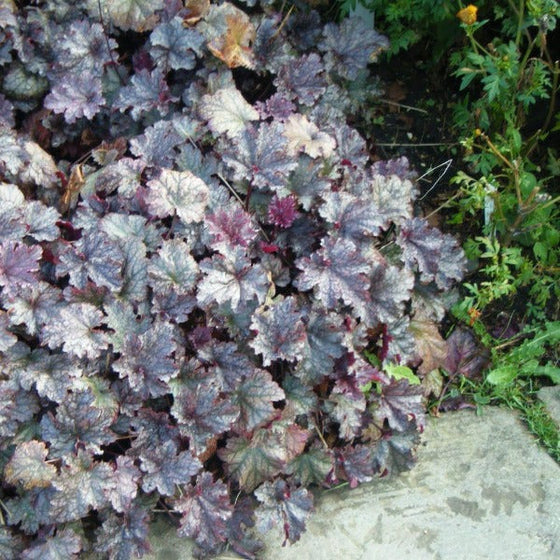
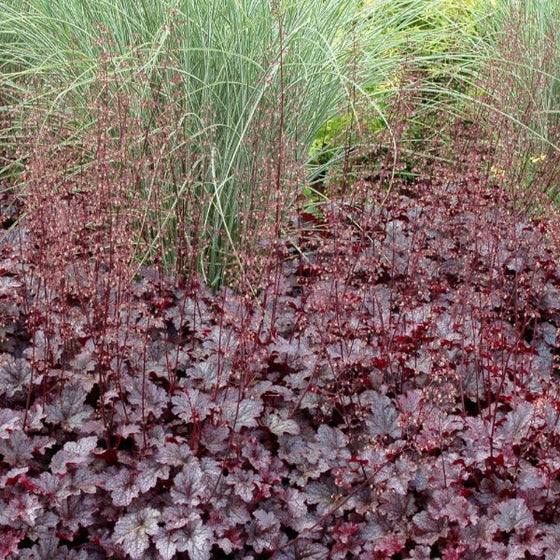


Images Depict Mature Plants
Plum Pudding Heuchera
Heuchera x 'Plum Pudding'
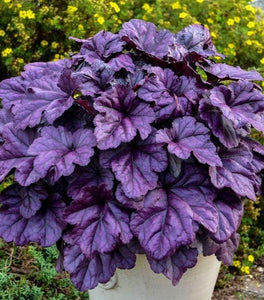
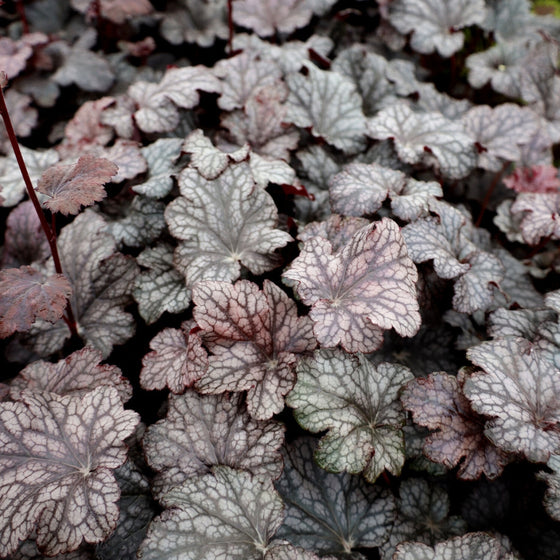
Heuchera Plum Pudding is prized for its rich, deep purple foliage with silver marbling, adding year-round color and texture to shaded gardens, borders, and containers. Its deer-resistant and drought-tolerant nature makes it a versatile, low-maintenance choice for woodland gardens, rock gardens, or as a striking ground cover.

15% OFF FOR MOTHER'S DAY
Use Code MOMDAY15 At Checkout
📦 Free shipping on orders over $99.
Delay shipping by leaving us a message at Checkout.
Share:Recommended Add-Ons


Heuchera Plum Pudding Plants for Sale Online
Deep Purple Leaves with Silver-Marbling and Garden Drama.
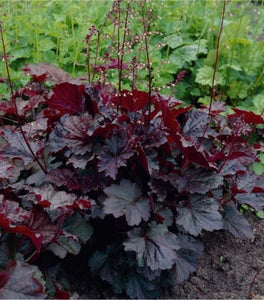
Plum Pudding Heuchera is a colorful coral bells perennial grown for its shimmering plum-purple foliage, silver highlights, and dark veining. The rounded, lobed leaves form a tidy mound that adds instant contrast to shaded beds and mixed plantings. Its foliage is the main attraction, giving homeowners long-lasting color before, during, and after the flowering season. Use it to brighten dark corners, soften foundation beds, or add a polished, layered look to shade gardens.
Compact Mounding Growth for Borders, Edges, and Small Spaces.
This compact Heuchera forms a low, clumping mound that fits beautifully along walkways, at the front of perennial borders, and beneath small trees and shrubs. The foliage stays dense and attractive without becoming overpowering, making it a useful choice for small gardens, courtyard plantings, and container combinations. Its tidy habit also makes it easy to repeat in groups for a more intentional, designer-style planting.
Soft White Flowers That Support Pollinators.
In late spring to early summer, Plum Pudding Heuchera sends up slender flower stems topped with tiny white, bell-shaped blooms. While the flowers are delicate and airy, they provide useful seasonal interest and attract pollinators such as bees, butterflies, and hummingbirds. The bloom stems rise above the purple foliage, creating a graceful contrast that works well in woodland gardens and mixed perennial beds.
A Versatile Shade Perennial with Deer-Resistant Foliage.
Plum Pudding Heuchera performs best in part shade, bright shade, or morning sun with afternoon protection, especially in warmer regions. It prefers enriched, well-drained soil and regular moisture during establishment. Once established, it becomes easier to maintain and can tolerate brief dry periods, though consistent moisture helps preserve the richest foliage color. Its deer-resistant foliage makes it especially useful in landscapes where browsing pressure can limit plant choices.
Semi-Evergreen Color with Simple Seasonal Maintenance.
Depending on the climate, Plum Pudding Heuchera may behave as evergreen, semi-evergreen, or herbaceous. In mild-winter areas, the foliage can hold color for much of the year, while in colder regions, older leaves may decline before fresh spring growth appears. Avoid burying the crown when planting, and remove tired or damaged foliage in early spring to refresh the mound. In areas with freeze-thaw cycles, a light mulch around the root zone helps reduce frost heaving while keeping the crown uncovered.
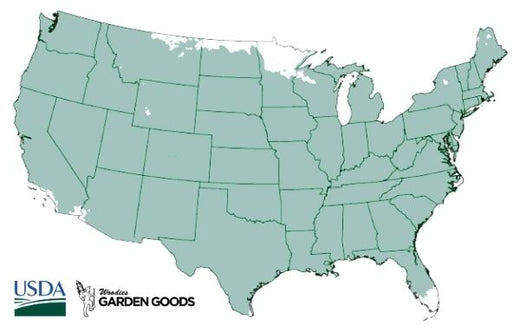
| Hardiness Zone: | 4-9 |
|---|---|
| Mature Height: | 12 to 18 Inches |
| Mature Width: | 12 to 18 Inches |
| Sunlight: | Partial shade to partial sun |
| Water Requirements: | Water well until established |
How to Care for Plum Pudding Heuchera
Before you buy a Heuchera Plum Pudding make sure to read about the recommended care instructions to keep this plant healthy and thriving.

How Do I Plant Heuchera Plum Pudding?
To plant Heuchera Plum Pudding, choose a location with partial to full shade and well-drained soil, as this perennial thrives in shaded environments with moist, but not waterlogged, conditions. Begin by digging a hole that is about twice the width of the root ball and slightly deeper than the root system. Place the plant in the hole, ensuring that the crown is level with the soil surface, and backfill with soil, gently firming it around the roots. Water thoroughly after planting to help the plant settle in and establish a strong root system. Space the plants about 12-18 inches apart to allow for their mature size and airflow between them. For best results, mulch around the base of Heuchera Plum Pudding to retain soil moisture and suppress weeds, but avoid covering the crown to prevent rot. During the first growing season, water regularly to keep the soil consistently moist, especially in hotter climates. After the plant is established, it becomes more drought-tolerant and requires less frequent watering. Heuchera Plum Pudding performs well in shaded garden beds, woodland gardens, and mixed containers, adding vibrant, rich purple color and texture to your landscape. With proper planting and care, this low-maintenance perennial will provide year-round beauty with its unique foliage and delicate flowers.

How Do I Water Heuchera Plum Pudding?
To properly water Heuchera Plum Pudding, it is essential to keep the soil consistently moist during its first growing season to help establish strong roots. Water deeply once or twice a week, especially in hotter climates, ensuring the water reaches the root zone. Make sure to water at the base of the plant, avoiding the foliage, to prevent fungal issues. Heuchera Plum Pudding prefers well-drained soil, so avoid overwatering or letting the plant sit in soggy soil, as this can lead to root rot. Mulching around the base helps retain moisture and regulate soil temperature, which is especially beneficial in warmer months. Once established, Heuchera Plum Pudding becomes more drought-tolerant and requires less frequent watering. Water when the top 1-2 inches of soil feel dry, and be sure to provide supplemental watering during prolonged dry spells, especially in hotter climates. In containers, the plant may need more frequent watering as pots dry out faster. Proper watering ensures that Heuchera Plum Pudding maintains its vibrant purple foliage and continues to thrive in shaded garden beds, borders, or containers. With the right watering routine, this perennial will provide lasting color and beauty with minimal maintenance.

How Do I Fertilize Heuchera Plum Pudding?
To fertilize Heuchera Plum Pudding, apply a balanced, slow-release fertilizer in early spring to promote healthy growth and vibrant foliage. A 10-10-10 or 14-14-14 fertilizer provides essential nutrients like nitrogen, phosphorus, and potassium, which support the plant’s development throughout the growing season. Spread the fertilizer evenly around the base of the plant, but avoid direct contact with the leaves to prevent burning. After applying the fertilizer, water thoroughly to help the nutrients penetrate the soil and reach the roots. Fertilizing once in early spring is typically sufficient for Heuchera Plum Pudding, as over-fertilizing can lead to excessive, weak growth. For gardeners who prefer organic methods, compost or well-rotted manure can be added around the plant in early spring as a slow-release nutrient source. This organic matter will not only feed Heuchera Plum Pudding but also improve soil structure and moisture retention. Avoid using fertilizers high in nitrogen, as this can cause the foliage to become overly lush and reduce its vibrant purple color. Regular feeding keeps Heuchera Plum Pudding healthy and encourages strong, colorful growth throughout the year, making it a standout in shaded garden beds, borders, and containers. Proper fertilization helps this low-maintenance perennial maintain its striking appearance and long-lasting beauty.

How Do I Prune Heuchera Plum Pudding?
To prune Heuchera Plum Pudding, begin by removing any dead, damaged, or discolored leaves in early spring before new growth emerges. Use sharp, clean pruning shears to cut back the spent foliage at the base of the plant, being careful not to damage the crown. Pruning away these old leaves not only tidies up the plant’s appearance but also encourages healthier growth and improves airflow around the plant, reducing the risk of fungal issues. This annual maintenance keeps the plant looking vibrant and helps Heuchera Plum Pudding maintain its striking purple foliage. Throughout the growing season, you can also perform light pruning by deadheading spent flower stalks. Once the delicate white or pinkish flowers fade, snip the stalks at their base to encourage the plant to focus energy on its foliage and maintain a neat appearance. Regularly removing any damaged or yellowing leaves throughout the year will also help keep Heuchera Plum Pudding healthy and looking its best. With proper pruning, this low-maintenance perennial will continue to provide lush, colorful foliage, enhancing your garden beds, borders, and containers with year-round interest.