
Insect & Disease Control Products
Identify the problem first, then choose the right protection for healthier plants.
The most important part of controlling an insect or disease problem is not choosing the strongest product—it is figuring out what is actually wrong with the plant. Yellow leaves can come from insects, root problems, poor drainage, nutrient issues, or simple watering stress. Brown spots may be fungal, bacterial, environmental, or even the result of leaf scorch. Once you identify the problem, choosing a control product becomes much easier. This collection offers gardeners several approaches, including insecticidal soaps and horticultural oils for many soft-bodied pests; neem-based products that can address certain insects and diseases; targeted beetle and mite controls; fungicides for common fungal problems; and broader products designed for vegetables, fruit trees, ornamentals, and other garden plants.
I always recommend starting with the simplest solution that actually solves the problem. Sometimes that means pruning infected foliage, improving airflow, correcting watering, or washing insects from a plant before reaching for a pesticide. When treatment is needed, match the product to the pest, disease, plant, and growing location listed on the label. Contact products need good coverage; systemic products work differently within plant tissue; and fungicides are often most valuable before a disease becomes severe. Most importantly, read the label before purchasing and again before every application. The same plant-first thinking behind the We Grow Together Promise applies here: diagnose carefully, treat only when necessary, and provide the conditions the plant needs to recover and grow well.

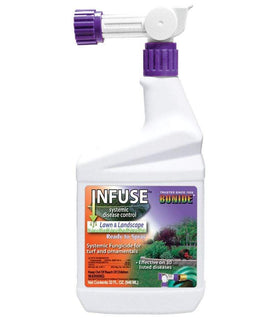
Bonide Infuse Systemic Disease Control
As Low As $32.95
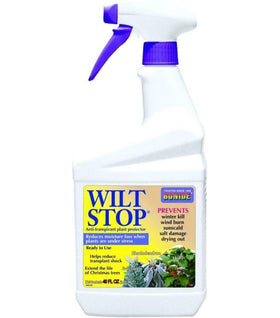
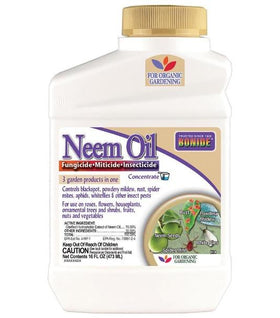

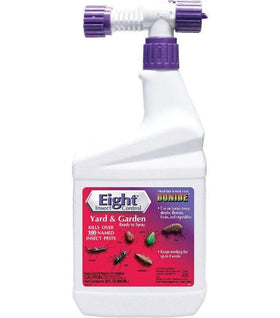

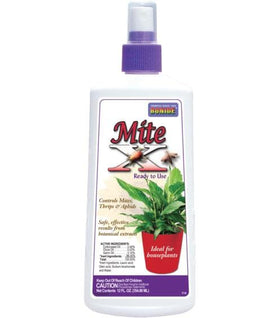
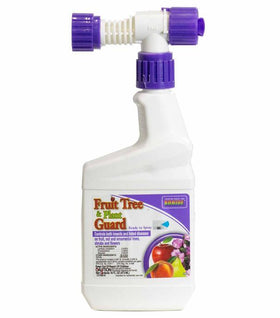
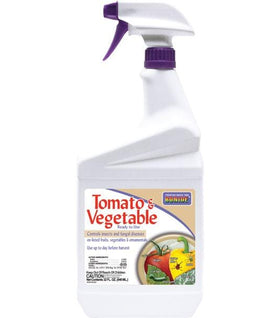

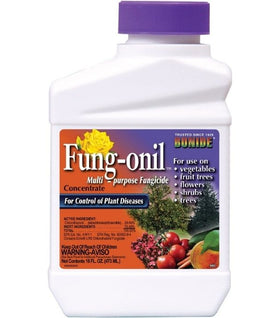

Start with the problem, not the spray bottle.
A good plant diagnosis can save both the plant and the gardener from unnecessary treatment. Before choosing an insect or disease control product, look carefully at the symptoms. Check both sides of the leaves, inspect stems and branch joints, look for insects, webbing, sticky residue, eggs, chewing damage, discoloration, lesions, distorted growth, or unusual coatings. Then look at the bigger picture. Ask whether the soil is staying too wet, whether the plant has been allowed to dry excessively, or whether recent heat, frost, fertilizer, or transplant stress could explain the symptoms.
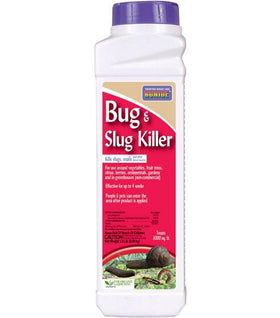
Insect damage also varies by pest. Aphids, whiteflies, scale, mites, and thrips feed differently from chewing insects such as beetles or caterpillars. A product that works well against one group may do little against another. Spider mites are not insects at all, which is why products specifically labeled for mites can matter. Slugs and snails require another approach entirely.
Disease identification is just as important. Powdery mildew, black spot, rust, fungal leaf spots, root rots, and other diseases are caused by different organisms and do not necessarily respond to the same fungicide. A product labeled for one fungal disease should not automatically be assumed to control every disease that causes brown leaves or spots.
Some symptoms do not need a pesticide at all. Overwatering, drought, poor drainage, nutrient deficiencies, sun scorch, salt damage, winter injury, and root disturbance can all resemble insect or disease problems. Applying insecticide or fungicide to an environmental problem adds another stress without correcting the cause.
Match the control to the pest or disease.
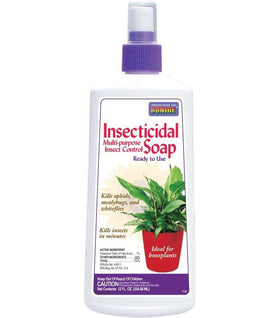
Insecticidal soaps are useful tools for many soft-bodied pests including aphids, whiteflies, certain scales, thrips, and spider mites when the product label lists those pests and the plant being treated. They work primarily through direct contact, so coverage matters. Once the spray has dried, there is generally very little residual insect-control activity.
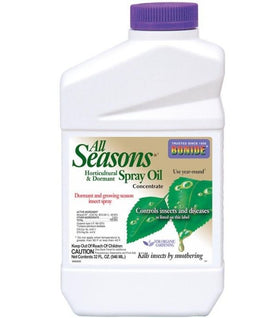
Horticultural oils work in a similar contact-oriented way and can be useful against scale, mites, aphids, whiteflies, and certain insect eggs. They can be particularly helpful when pests are exposed and the spray reaches them thoroughly. Some horticultural oil labels also include suppression of particular fungal diseases. Because oils can injure sensitive foliage under the wrong conditions, temperature, plant stress, timing, and label restrictions matter.
Neem-based products can provide insecticidal, miticidal, or fungicidal activity depending on the formulation and its label. They are popular with gardeners looking for broader plant-care options, but “natural” or “organic” should never be interpreted as meaning that a product can be sprayed indiscriminately. Neem and other pesticides can affect beneficial insects when they are directly exposed.
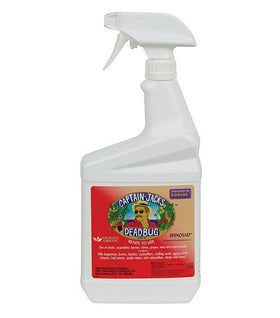
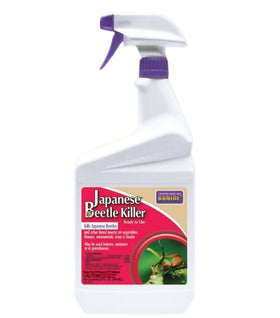
The collection also includes more targeted insect controls for pests such as Japanese beetles, caterpillars, mites, and other chewing or sucking pests. Some insecticides kill only when they contact the pest, while others provide residual control for a period after treatment. That difference affects both how the product should be applied and how carefully its impact on beneficial insects should be considered.
Systemic products work differently. Instead of remaining only on the plant surface, a systemic pesticide is absorbed into plant tissues. That can be useful when the target problem is difficult to reach with a contact spray, but it also means label restrictions deserve special attention. Systemic insecticides used on flowering plants can create pollinator concerns depending on the active ingredient, application timing, and label directions.
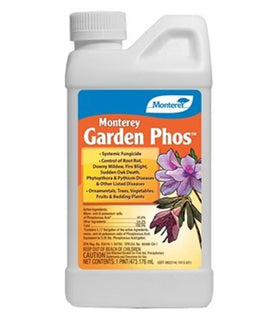
Fungicides can also be contact, protectant, systemic, or have a combination of those characteristics. Copper fungicides, broad-spectrum disease controls, systemic products, and products formulated for fruits and vegetables each have different labeled uses. The correct choice depends on both the plant and the disease you are trying to manage.
Protect leaves, flowers, vegetables, and fruit the right way.
Disease control works best when it is combined with good growing conditions. Improving airflow, removing heavily infected foliage, avoiding unnecessary leaf wetness, cleaning up diseased debris, and correcting drainage can reduce the conditions that allow many diseases to spread. Fungicide should support good horticulture rather than substitute for it.
Timing matters too. Many fungicides are much better at protecting healthy tissue from new infection than repairing tissue that is already damaged. A brown lesion on a leaf will not turn green again simply because the correct fungicide was applied. The goal is usually to slow or prevent new infections and protect healthy growth.
That is why early detection is so valuable. When gardeners regularly look over their plants, they can identify a small aphid population, the first signs of powdery mildew, or a few suspicious leaf spots before the problem has spread throughout the plant. Early diagnosis often gives you more control options and may allow you to use a more targeted treatment.
Edible plants require additional attention. Never assume that an insecticide or fungicide used on ornamental shrubs can also be applied to tomatoes, herbs, berries, fruit trees, or vegetables. The product label must specifically allow use on that crop. It will also tell you about any required interval between treatment and harvest when one applies.
Indoor plants require the same caution. A product labeled for outdoor ornamentals is not automatically approved for use inside the home. When treating houseplants, verify that the label permits indoor use and follow all ventilation, handling, and application instructions.
Multi-purpose products can be convenient when a plant has a problem specifically covered by that label, but do not use a combination insecticide-and-fungicide simply because you are unsure what is wrong. Diagnose first. Treating for insects and disease at the same time when only one problem exists can expose the plant and surrounding environment to ingredients that were not needed.
Use every treatment exactly as labeled.
The pesticide label is not just a suggestion sheet. It tells you which plants or sites may be treated, which pests or diseases the product controls, how it can be applied, how much can be used, how often treatment can be repeated, and what precautions are required. Using a registered pesticide in a way that conflicts with its labeling can violate federal law.
Read the label before purchasing so you know the product actually matches your problem. Read it again immediately before using it. Product formulations and instructions can change, and remembering how you used a product several seasons ago is not a substitute for checking the current label.
Pay particular attention to pollinator warnings. Bees, butterflies, and other beneficial insects may be visiting the same flowers you are trying to protect. Avoid treating blooming plants with insecticides when the label prohibits it, and choose timing and products that minimize exposure to active pollinators whenever possible. Horticultural oils should not be sprayed over open blossoms.
Systemic insecticides need extra consideration around flowering plants because an active ingredient can remain within plant tissues for a period after application. Always follow label-specific bloom, pollinator, and application restrictions rather than assuming that a soil-applied product has no effect on insects visiting the plant later.
Weather matters as well. Heat, drought stress, wind, rain, and intense sun can all affect treatment performance or the risk of plant injury. Horticultural oils, for example, should not be applied to drought-stressed plants, and some plants with waxy blue or gray foliage can lose their natural coating after oil treatment. Fungicides may also need time to dry before rain to provide the intended protection.
Never combine pesticides simply because two products are available. Some ingredients are incompatible, and mixing products can reduce effectiveness, injure plants, or create safety concerns. Only tank-mix or combine materials when the labels specifically permit the combination.
Protective clothing and equipment should also come directly from the label. Gloves, eye protection, long sleeves, or other protective measures may be required depending on the product. Keep concentrates and ready-to-use products in their original containers, store them where children and pets cannot reach them, and follow the label for disposal.
Finally, remember that treatment is only one part of plant recovery. Continue monitoring the plant afterward. New healthy growth is usually a better sign of success than expecting damaged leaves to repair themselves. Correct the watering, drainage, airflow, light, or other growing conditions that contributed to the original problem whenever possible. The best pest and disease program is one that uses the right product only when needed and gives the plant a healthier environment afterward.