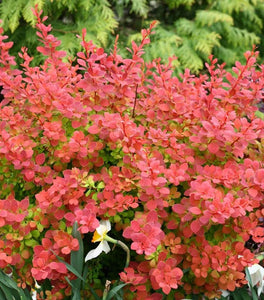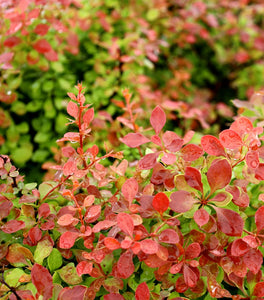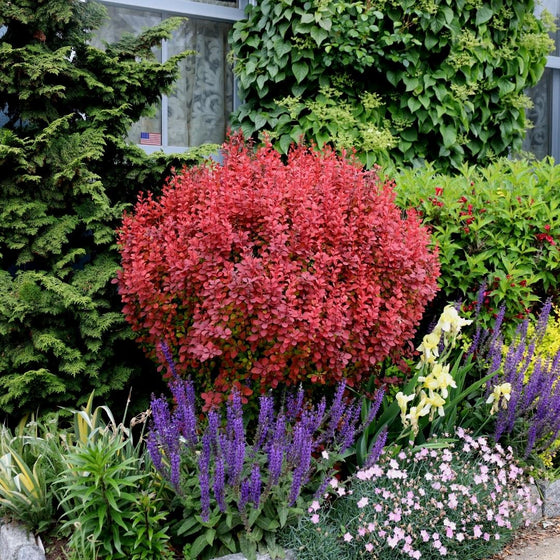
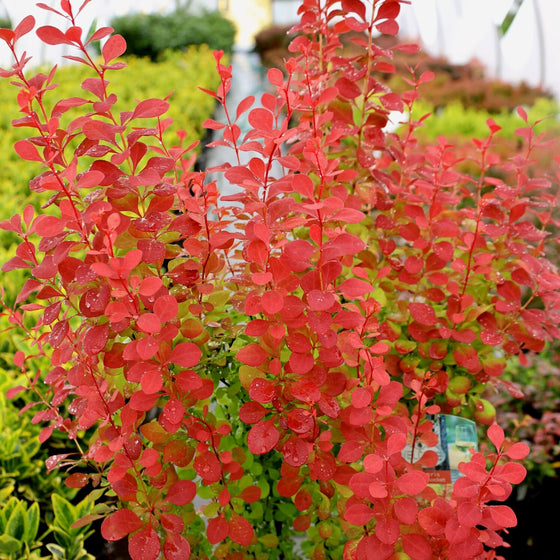
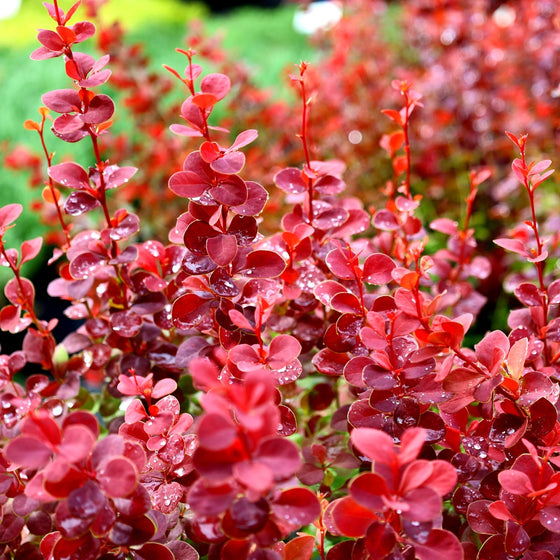
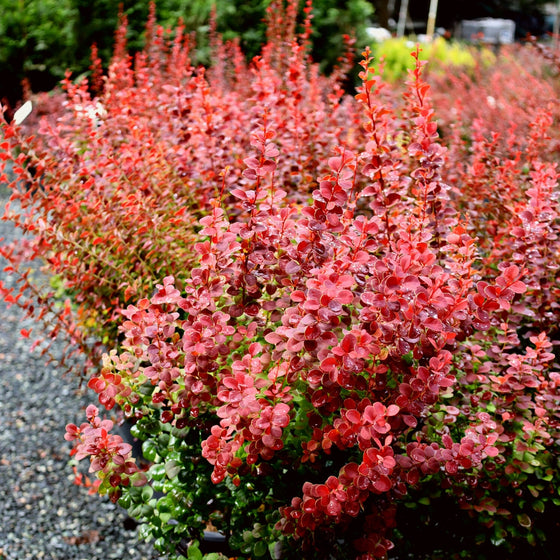
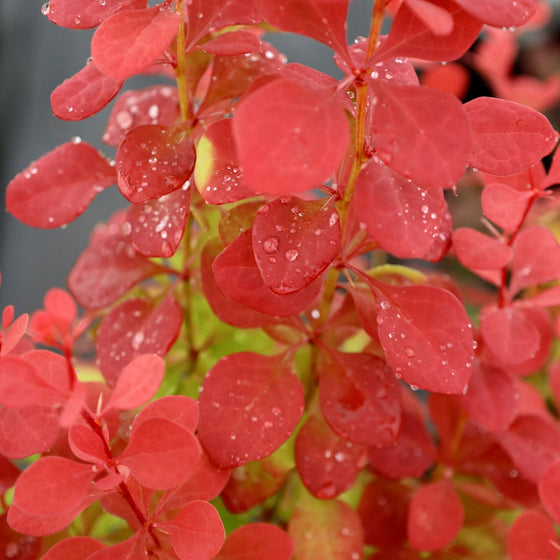


Images Depict Mature Plants
Orange Rocket Barberry
Berberis thunbergii 'Orange Rocket'
Orange Rocket Barberry is one of those shrubs that makes a bed look “done” fast, Fiery color, a slim upright shape that fits tight spaces, and toughness that holds up when the weather (or the deer) doesn’t cooperate. Give it sun for the best orange-red glow, place it where thorns won’t be a nuisance, and you’ll have a bold, low-maintenance accent that stays sharp all season.

20% Off Sitewide Sale!
Use Code 'ENDOFSEASON20' At Checkout
📦 Free shipping on orders over $99.
Delay shipping by leaving us a message at Checkout.
Share:

Orange Rocket Barberry For Fiery Color In A Slim, Upright Shrub
Fiery orange-red foliage that turns landscapes into curb-appeal magnets
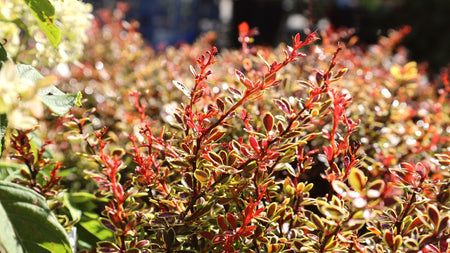
Orange Rocket Barberry is pure color confidence. Fresh growth emerges coral-orange, matures through the season, then finishes with a rich ruby-red fall finale. It’s one of the fastest ways to inject warmth into a landscape without relying on flowers, so you get dependable impact from spring through fall. Against deep green evergreens, gray stone, or dark mulch, the foliage glows and makes the whole bed look more intentional.
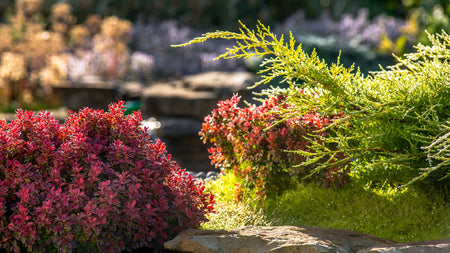
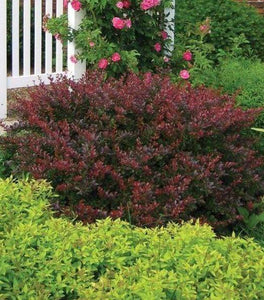
This is the shrub for shoppers who want a bold accent that reads from the street. Use it as a “color punctuation mark” near an entry, repeat it in a rhythm along a foundation line, or tuck it into a mixed border where you want that high-contrast pop to wake everything up. If your yard needs more color, Orange Rocket delivers it with zero fuss.
A narrow, upright habit that fits where wide shrubs don’t
The signature advantage of Orange Rocket is its vertical form. It grows up more than out, giving you a columnar look that’s perfect for tight spaces—think narrow foundation beds, side yards, and planting strips where a wide shrub would crowd walkways. It’s a strong alternative to bulky hedging plants when you want structure without sacrificing square footage.
This shape also makes the design easier. You can use it like a living “exclamation point” to create height in the mid-layer of a bed without blocking windows. Plant a few in a line for a sleek, modern border, or use them as vertical accents between rounder shrubs to create a more layered, professional landscape composition.
Tough performance with deer resistance built into the plant
Orange Rocket Barberry is a workhorse. Once established, it handles heat, urban conditions, and short dry spells with surprising ease. It’s also naturally deer resistant—barberry’s thorny stems make it a less appealing snack, which is exactly what you want when you’re investing in a high-visibility planting that needs to stay intact.
Those thorns are also a design feature for security and low barriers, but they do affect placement. Put Orange Rocket where it won’t snag passersby, set it slightly back from busy paths, play areas, and tight corners. In the right spot, the “tough + thorny” nature becomes a benefit you’ll be glad you chose.
Simple pruning that keeps the column crisp and color strong
Orange Rocket is easy to maintain because its natural habit is already upright and tidy. Minimal pruning is often enough; remove any stray shoots and refine the outline if you want a sharper column. If you’re using it in a hedge or repeating border, a light trim after the first flush of growth can encourage denser branching and a cleaner line.
The goal is small, consistent touch-ups rather than heavy shearing. Strong sun exposure keeps foliage color brightest and growth densest, so placement matters as much as pruning. Give it good light, decent drainage, and a little breathing room, and you’ll have a slim, fiery shrub that stays crisp and good-looking season after season.
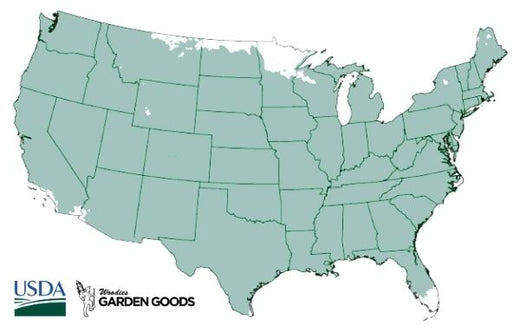
| Hardiness Zone: | 4-9 |
|---|---|
| Mature Height: | 4 to 5 feet |
| Mature Width: | 2 to 3 Feet |
| Sunlight: | Full sun to partial shade (best color in more sun) |
| Bloom Time / Color: | Spring; small yellow flowers (not showy) |
| Soil Condition: | Adaptable; prefers well-drained soil |
| Water Requirements: | Moderate; drought tolerant once established |
| Wildlife Value: | Dense, thorny branching provides shelter |
| Resistance (deer/disease/drought/etc.): | Deer resistant; drought tolerant once established; thorny stems |
| Landscape Uses: | Narrow borders, foundation beds, accents, low hedges, mixed shrub borders, modern linear plantings |
How to Care for Orange Rocket Barberry
Be sure to read our planting instructions for a healthy and happy Orange Rocket Barberry
-v1759762850342.png?92x91)
How should I plant Orange Rocket Barberry?
Plant Orange Rocket Barberry in full sun to partial shade in well-drained soil. Dig a hole 2–3 times wider than the root ball, set the shrub so the top of the root ball is level with (or slightly above) the surrounding soil, backfill, and water deeply to settle the roots. Add a 2–3 inch mulch ring over the root zone, keeping mulch a few inches away from the stems. Choose placement with thorns in mind—set it slightly back from tight walkways and high-traffic areas. For the most intense orange-red foliage and the densest habit, prioritize a sunnier site with airflow and avoid consistently soggy ground.
-v1759762864682.png?89x84)
How often should I water Orange Rocket Barberry after planting?
Water deeply right after planting, then keep the root zone evenly moist during the first growing season. A deep soak once per week is a good baseline, increasing to 1–2 times per week during hot, dry stretches or in sandy soils. Water at the base so moisture reaches roots efficiently. Once established, Orange Rocket Barberry becomes more drought-tolerant, but it will look fuller with occasional deep watering during prolonged drought. Mulch helps reduce moisture swings and supports steadier growth and better color through summer heat.
-v1759762914868.png?90x89)
When should I fertilize Orange Rocket Barberry?
Fertilize in early spring as new growth begins using a balanced slow-release shrub fertilizer, or top-dress with compost if your soil is already reasonably fertile. Barberry generally doesn’t need heavy feeding, and moderate fertility supports dense growth without making the plant soft. Avoid heavy late-season fertilizing, which can push tender growth at the wrong time. If foliage color is strong and the shrub is growing steadily, a light spring feeding plus good sun exposure is usually all it needs.

When and how should I prune Orange Rocket Barberry?
Prune Orange Rocket Barberry in late spring or early summer to maintain its upright outline. For most landscapes, light shaping is enough, trim stray shoots, and keep the column clean. If you’re using it in a row, a gentle trim after the first flush of growth helps encourage denser branching. Wear gloves and long sleeves when pruning because of thorns, and avoid aggressive cutting into bare interior wood. Small, consistent trims keep the habit crisp and the foliage looking its best without turning maintenance into a chore.