



Images Depict Mature Plants
Mondo Grass
Ophiopogon japonicus
When I need a dependable groundcover for a shaded walkway or a planting bed beneath shrubs, standard Mondo Grass is one of the plants I consider first. It gives you that clean, finished appearance of a low green carpet without the regular mowing that comes with a lawn. I particularly like the narrow, arching evergreen leaves, which create a much finer texture than Liriope and look especially attractive along stone paths or around ornamental trees. One advantage over Black Mondo Grass is that standard green Mondo Grass generally fills an area more readily, making it a practical choice for larger groundcover projects. I also appreciate its deer resistance and ability to handle partial shade, two qualities that are especially useful in residential landscapes. My biggest recommendation is to plan your spacing carefully. If you want a continuous carpet, start with enough plants rather than expecting widely spaced clumps to fill in immediately. Give them consistently moist, well-drained soil during establishment, keep weeds under control, and allow the runners to gradually connect. For homeowners seeking a low-maintenance evergreen groundcover that provides beautiful green texture throughout the year, Mondo Grass is a very useful option.
$26.31 with code NOVEMBER15 at checkout Save $4.64
📦 Free shipping on orders over $99.
Delay shipping by leaving us a message at Checkout.
Share:



Mondo Grass – Lush Evergreen Groundcover for Beautiful Shaded Landscapes
Mondo Grass Creates a Lush Evergreen Carpet for Shaded Gardens
Mondo Grass is one of the most useful plants for homeowners who want a lush, finished appearance in landscape areas where ordinary turfgrass struggles to grow. This attractive evergreen perennial develops dense clumps of narrow, deep green leaves that gradually spread into a soft, carpet-like groundcover. The gently arching foliage provides an elegant texture that complements flowering shrubs, ornamental trees, and broadleaf perennials. Unlike traditional lawn grass, Mondo Grass does not require frequent mowing, and its relatively low growth makes it especially suitable for garden borders, foundation beds, and spaces beneath ornamental trees. Its dark green color also creates an appealing contrast against decorative stone, natural mulch, and lighter foliage plants.
What makes Mondo Grass particularly valuable for residential landscapes is its combination of evergreen appearance and tolerance for partial shade. Many turfgrasses decline beneath trees or along shaded sides of buildings, but Mondo Grass can establish attractive foliage coverage in locations with filtered sunlight. As the plants mature, their spreading shoots gradually fill spaces between individual clumps, creating a more unified planting. Because Mondo Grass expands over time rather than establishing an instant lawn, appropriate spacing and establishment care are important. For homeowners seeking an evergreen alternative to bare soil or patchy lawn grass in lightly used shaded areas, Mondo Grass provides a dependable ornamental solution.
Deep Green Arching Foliage Provides Beautiful Color Throughout the Seasons
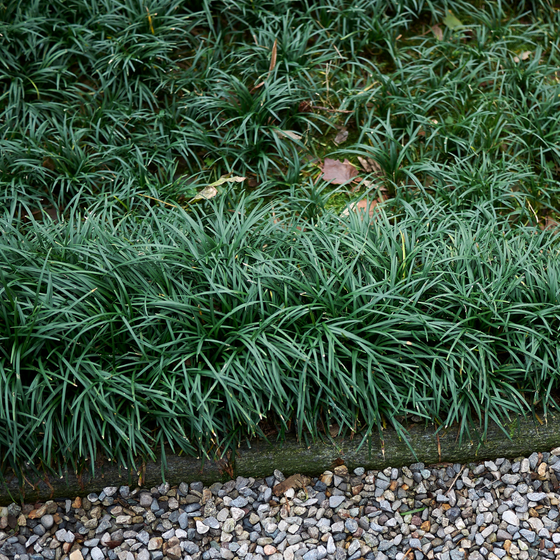
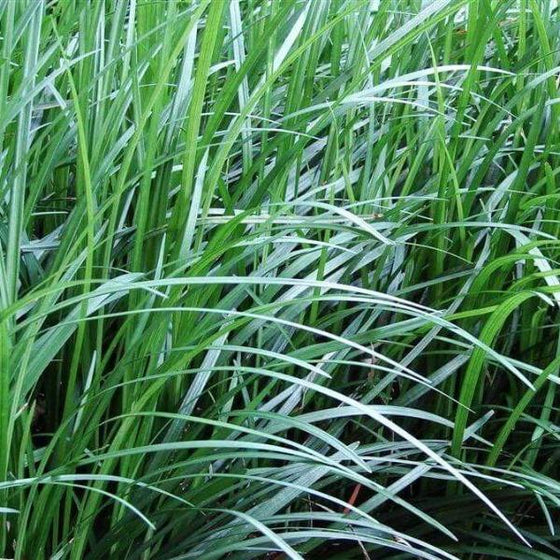
The foliage of Mondo Grass is its most important ornamental feature. Each plant produces slender, glossy, dark green leaves that emerge from the crown and arch gracefully outward, creating a soft, low-growing mound. Unlike the broader leaves of many Liriope varieties, Mondo Grass has a finer texture that makes it particularly attractive near pathways, garden steps, and small ornamental shrubs. The narrow foliage creates an even appearance when planted in groups, allowing several individual clumps to develop into a consistent carpet. Its evergreen nature also makes it useful for maintaining visual structure in garden beds when many flowering perennials have become dormant.
In suitable climates, Mondo Grass retains green foliage throughout the year, although severe cold, winter winds, or prolonged drought can cause some leaves to turn brown. The plant is particularly attractive when used beneath larger evergreens, where the combination of broad shrub foliage and fine grass-like leaves creates a layered effect. In spring, fresh leaves develop among the older growth, gradually renewing the planting without a dramatic seasonal cutback. During summer and fall, the foliage remains the primary decorative feature, providing a consistent green background for flowering plants. For homeowners who want a landscape groundcover valued for foliage rather than a brief flower display, Mondo Grass offers lasting visual appeal.
Low-Growing Mounds Make Mondo Grass Ideal for Walkways and Garden Edging
Standard Mondo Grass typically develops dense, rounded clumps approximately 6–12 inches tall and 6–12 inches wide, depending on growing conditions and plant age. This low profile makes it particularly attractive along garden walkways, around stepping stones, and at the edges of landscape beds. The arching leaves gently soften the transition between hardscape materials and planted areas without creating a tall visual barrier. Unlike larger ornamental grasses that need substantial space, Mondo Grass fits comfortably beneath lower shrubs and around small garden features. Its neat foliage also complements formal landscapes where repeated plants help establish consistent borders.
For edging and groundcover installations, Mondo Grass is often planted approximately 6–12 inches on-center, depending on how quickly homeowners want the planting to appear continuous. Closer spacing creates faster visual coverage, while wider spacing reduces the initial number of plants but requires more patience as the clumps expand. Along a walkway, a repeated row of plants provides an attractive green edge, while larger groupings can gradually develop into a uniform mat. Because the foliage remains relatively low, Mondo Grass is useful for framing flower beds without obscuring neighboring plants. Planning the correct number of plants at installation is the key to producing a beautiful, consistent groundcover.
Mondo Grass Grows in Shade Where Traditional Lawn Grass Often Struggles
One of the greatest advantages of Mondo Grass is its ability to perform in partial shade and filtered sunlight, making it especially valuable beneath ornamental trees and along shaded foundations. It can tolerate considerable shade, although it typically grows best where there is adequate light and soil moisture. This makes Mondo Grass useful in areas where traditional turfgrass struggles to maintain healthy coverage. Its dark green foliage provides a tidy appearance without the intensive mowing requirements of a conventional lawn. In warmer climates, protection from harsh afternoon sunlight also helps preserve the foliage and reduces moisture stress.
Mondo Grass can tolerate full sun in locations where adequate moisture is available, but it should not be treated as equally drought tolerant in every exposure. Plants growing beneath established trees may face competition from large root systems, making watering important during establishment and extended dry weather. The most dependable conditions include moist, well-drained soil with organic matter and partial shade. While Mondo Grass can accommodate occasional dry periods once established, prolonged drought may cause browning or slower growth. Homeowners should also understand that Mondo Grass is best used as an ornamental lawn alternative for lightly trafficked areas rather than a replacement for heavily used recreational turf. With suitable conditions, it can provide attractive coverage in challenging shaded locations.
Delicate Summer Flowers and Brilliant Blue Berries Add Seasonal Interest
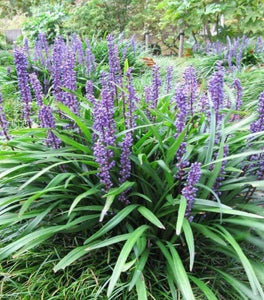
Although Mondo Grass is primarily grown for its evergreen foliage, it produces small, delicate white-to-pale-lilac flowers in summer. These blossoms develop on short stems that are often partially hidden among the leaves, making them subtler than the prominent purple flower spikes of many Liriope varieties. When viewed up close, the flowers provide an attractive detail that adds seasonal interest without changing the overall green appearance of the planting. Flowering commonly occurs during summer, depending on local climate and plant maturity. The delicate blossoms are a secondary feature, while the foliage provides the plant's principal ornamental value.
After successful flowering, Mondo Grass can develop small, rounded, glossy, cobalt-blue to blue-black berries that mature in the fall. These unusual fruits are particularly attractive when visible among the narrow green leaves. Fruit production varies according to growing conditions, and the berries are often partly concealed within the foliage. They should be considered ornamental rather than edible. Unlike plants grown primarily for colorful flowers, Mondo Grass offers a more restrained seasonal display, with small blossoms and brilliant blue fruits that add subtle interest to its evergreen habit. The combination of green foliage, summer flowers, and decorative blue berries makes Mondo Grass more interesting than its simple groundcover appearance might suggest.
Spreading Growth Helps Mondo Grass Fill Borders and Landscape Beds
Mondo Grass spreads through short underground rhizomes and above-ground or near-surface runners that produce additional plantlets, allowing established clumps to gradually expand into surrounding open soil. This spreading ability makes it particularly useful for low groundcover plantings where the goal is to create a consistent carpet of green foliage. Unlike aggressive running grasses that rapidly occupy large areas, Mondo Grass generally develops at a more manageable pace, although growth can become more vigorous in favorable warm, moist conditions. Newly installed plants may remain visibly separated during their early establishment period before gradually expanding and connecting.
For larger groundcover projects, planting density directly affects how quickly the finished landscape takes shape. Homeowners wanting faster coverage should consider closer spacing or purchasing multiple plants in flats, while those willing to wait longer can use wider spacing. During establishment, keep open areas free of weeds so they do not compete with the developing Mondo Grass. As the foliage spreads and the planting becomes denser, routine weeding usually decreases. Older clumps can be divided when necessary, although frequent division is rarely required. For homeowners seeking a low-growing evergreen groundcover that gradually fills a planting bed without regular mowing, Mondo Grass provides an attractive and practical option.
Deer Resistance and Simple Maintenance Make Mondo Grass a Practical Landscape Choice
Mondo Grass is generally highly resistant to deer and rabbit browsing, which makes it a useful choice in landscapes where wildlife damages more tender ornamental plants. Its narrow, tough foliage is typically less appealing to deer than Hostas and many flowering perennials, although no plant is completely deer-proof. Once established, Mondo Grass requires relatively little routine maintenance and does not need weekly trimming to remain attractive. The plant also tolerates some foot traffic, making it useful near stepping stones and lightly used garden paths. However, it should not be treated as a durable sports lawn or installed where constant heavy traffic will crush the foliage.
For the healthiest plants, provide moist, well-drained soil, appropriate shade, and regular watering during establishment. Established Mondo Grass can withstand occasional dry periods, but it generally maintains richer green color and fuller growth when the soil does not remain excessively dry. Heavy fertilizer applications are usually unnecessary, particularly when the planting area contains adequate organic matter. In late winter or early spring, remove any brown or damaged leaves as needed, leaving healthy foliage in place. Watch for occasional slug damage in moist, shaded areas. With relatively simple care, Mondo Grass creates an attractive, evergreen landscape finish that requires substantially less routine maintenance than conventional turfgrass.
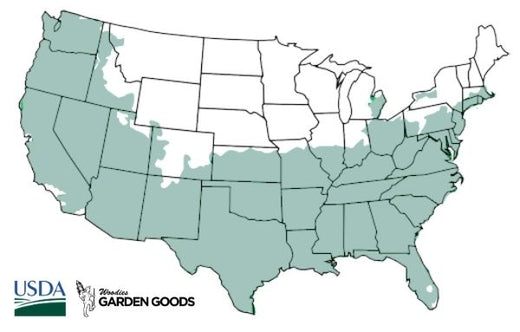
| Hardiness Zone: | 6-10 |
|---|---|
| Mature Height: | Typically 6–12 inches |
| Mature Width: | Approximately 6–12 inches per clump; spreading plantings can become much wider |
| Bloom Time / Color | Summer, generally June–August / White, pale lilac, or light lavender |
| Sunlight | Partial shade and filtered shade preferred; tolerates full shade and full sun with suitable conditions and adequate moisture |
| Soil Condition: | Moist, well-drained, organically enriched soil; tolerates clay, loam, and sandy soil with adequate drainage |
| Water Requirements: | Moderate during establishment; low to moderate once established depending on sun exposure and rainfall |
| Wildlife Value | Some flower-visiting insects and small invertebrates using foliage for shelter |
| Resistance (deer/disease/drought/etc. | Deer, Rabbits, Shade, Salt Exposure, Black Walnut, Moderate Foot Traffic, Heat and Humidity; tolerates occasional drought once established |
| Landscape Uses | Evergreen groundcover, shaded lawn alternatives, pathway edging, foundation beds, woodland gardens, mass plantings, slopes, containers, and lightly trafficked stepping-stone areas |
How to Care for Mondo Grass
Before you buy Mondo Grass, make sure to read the care instructions to keep this plant healthy and thriving.

How should I plant Mondo Grass?
Plant Mondo Grass in partial shade or filtered sunlight with moist, well-drained soil. It also tolerates deeper shade and can grow in full sun when adequate moisture is available, particularly in cooler climates. Choose an area that provides enough room for the plants to spread and develop a continuous groundcover. Mondo Grass adapts to sandy, loamy, and clay soils, but it performs best when drainage is good and the soil contains adequate organic matter. Before planting, remove weeds and loosen compacted soil. For heavily shaded areas beneath established trees, consider that tree roots may compete with Mondo Grass for water and nutrients. Preparing the soil properly helps produce healthier, more uniform coverage. Dig a planting hole approximately twice as wide as the root ball and no deeper than its height. Carefully remove the plant from its container, loosen circling roots if necessary, and position the crown level with the surrounding soil. Backfill with the original soil and water thoroughly. For groundcover installations, space Mondo Grass approximately 6–12 inches apart on center, adjusting according to the desired coverage time. Plants installed six inches apart generally create a fuller appearance sooner than those spaced twelve inches apart. Apply a modest layer of mulch between plants to help conserve moisture and suppress weeds, keeping mulch away from the crowns. Spring or early fall is often a good planting period when temperatures and watering conditions support establishment.

How often should I water Mondo Grass after planting?
During the first growing season, Mondo Grass needs consistent watering while its root system becomes established. Water thoroughly immediately after planting and continue monitoring the soil regularly, especially during hot or dry weather. Approximately 1 inch of water per week, including rainfall, can be a useful starting guideline in many garden soils, but the actual requirement depends on soil texture, plant size, rainfall, and exposure. Sandy soils often dry more quickly than clay or loam, while plants growing in sunny locations may require more moisture than those in protected shade. The goal is to keep the soil reasonably moist without allowing the root zone to remain continuously saturated. Once established, Mondo Grass becomes tolerant of occasional dry periods, but it generally performs best when moisture remains reasonably consistent. Prolonged drought can cause browning, reduced growth, or unattractive leaf tips, particularly in exposed locations. Homeowners growing Mondo Grass beneath mature trees should pay special attention to moisture because tree roots can compete for available water. Container-grown plants also require more frequent monitoring. A light layer of organic mulch helps reduce evaporation and moderate soil temperatures. Consistent moisture during establishment followed by sensible irrigation during extended drought will help maintain rich green foliage and healthy groundcover development.

When should I fertilize Mondo Grass?
Mondo Grass generally needs little supplemental fertilizer when growing in reasonably fertile soil. A light topdressing of finished compost in early spring can help maintain soil quality, particularly in older landscape beds where organic matter has declined. If a soil test identifies a nutrient deficiency, apply an appropriate balanced, slow-release fertilizer in spring as active growth begins, following the manufacturer's label. Established Mondo Grass that maintains healthy green foliage and expands naturally may not require additional feeding. The goal is to support a healthy root system and steady growth rather than forcing excessive foliage production. Avoid applying large amounts of nitrogen, as excessive feeding may promote overly lush growth without improving long-term plant health. Fertilizer also cannot correct poor drainage, severe drought, or insufficient establishment watering. If foliage becomes yellow or develops brown tips, first inspect soil moisture, root health, and exposure before assuming a nutrient deficiency. In most maintained residential landscapes, modest fertility and adequate organic matter are sufficient. Proper site selection, good drainage, and balanced watering are more important than frequent fertilizer applications for keeping Mondo Grass attractive.

When and how should I prune Mondo Grass?
Mondo Grass is an evergreen, low-growing perennial that normally requires very little pruning. Unlike deciduous ornamental grasses that must be cut back each spring, Mondo Grass usually retains attractive green foliage throughout winter in suitable climates. The best time for cleanup is late winter or early spring, when damaged, yellowed, or brown leaves can be removed before fresh growth develops. Hand pruning is appropriate for small borders and individual plants. There is generally no need to cut the entire planting to the ground if most of the foliage remains healthy. For larger, established groundcover areas, occasional mowing or shearing can be used for renovation, but it is not a routine requirement and should be timed before new spring growth. Raise cutting equipment sufficiently to avoid damaging the crown, and remove debris after trimming. Avoid using string trimmers aggressively around young plants because they can injure the foliage and growing points. Older plantings may occasionally benefit from division if they become overcrowded or uneven. Selective removal of damaged foliage is usually the best approach, preserving the evergreen appearance while allowing healthy new leaves to fill in naturally.
Implementation note: FAQPage markup do