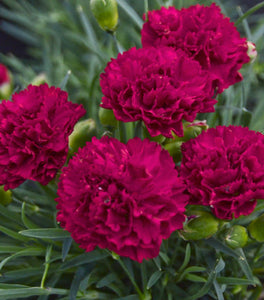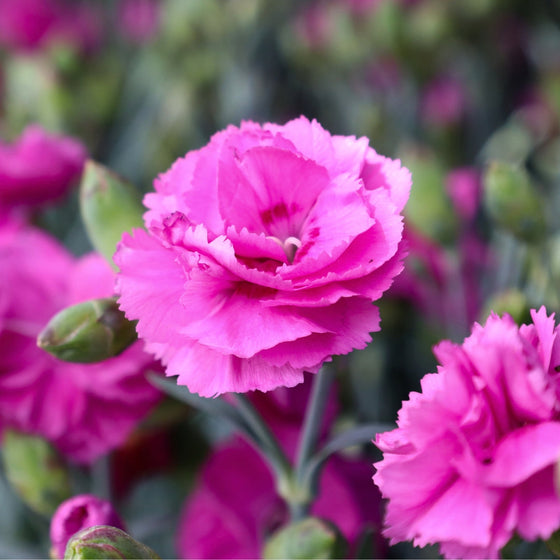


Images Depict Mature Plants
Dianthus Tickled Pink
Dianthus gratianopolitanus 'Tickled Pink'
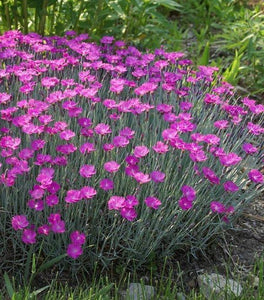
Tickled Pink Dianthus is the kind of plant I like when a sunny garden needs something cheerful, fragrant, and easy to fit into the design. The magenta-pink blooms really wake up the front of the border, the spicy scent makes it even better near a patio or walkway, and the evergreen foliage keeps it useful even when it is not in flower. For homeowners who want a compact, sunny perennial that stays tidy and delivers real color year-round, this is a really dependable, good-looking choice.

15% OFF SITEWIDE SALE
Use Code 'PRIMETIME15' At Checkout
📦 Free shipping on orders over $99.
Delay shipping by leaving us a message at Checkout.
Share:

Fragrant Magenta-Pink Dianthus Color for Sunny Borders, Rock Gardens, and Containers
A Compact Pink Dianthus That Brings Big Color to Small Spaces
Tickled Pink Dianthus is a great choice for homeowners who want strong flower color in a plant that stays compact and easy to place. This perennial produces vivid magenta-pink blooms with fringed petals, giving it a classic dianthus look with a brighter, more energetic color. It brings a cheerful burst of bloom to the front of the border without taking over the planting.
Its compact mounding habit is one of its biggest strengths. Rather than sprawling through neighboring plants, Tickled Pink forms a tidy cushion of evergreen to semi-evergreen foliage that stays useful even when it is not in flower. That makes it especially effective for edging, rock gardens, raised beds, and decorative containers where a clean outline matters.
The flower color also adds significant design value. The blooms are bright enough to stand out against dark mulch, stone, and gray-green foliage companions, but they still blend beautifully with purples, whites, blues, and silver foliage plants. That makes Tickled Pink especially easy to use in cottage gardens, sunny borders, and mixed patio plantings.
For homeowners looking for a compact perennial that delivers lively pink color without asking for much space, Tickled Pink Dianthus is a very smart fit. It offers a lot of visual payoff in a small footprint.
Fragrant Blooms Keep Sunny Gardens Fresh and Welcoming
One of the best things about Tickled Pink Dianthus is that it offers both fragrance and color. The blooms carry that classic spicy clove-like dianthus scent, which adds another layer of enjoyment when the plant is used near walkways, patios, entry gardens, or outdoor seating. It is the kind of perennial that rewards planting close to where people actually spend time.
Its bloom period is another major advantage. Tickled Pink flowers heavily from spring into early summer, and with deadheading, it can often continue blooming or rebloom intermittently later in the season. That longer display gives homeowners more return than a plant that peaks once and fades back into the border.
The flowers also work beautifully in smaller design spaces. Because the blooms sit above a neat cushion of foliage, the plant looks layered and tidy rather than messy or overgrown. That makes it especially useful in the kinds of residential plantings where polish matters as much as flower count.
For gardeners who want a compact perennial that combines vivid bloom with fragrance and a pleasing garden presence, Tickled Pink Dianthus is a very rewarding choice. It keeps sunny spaces looking and smelling fresh through much of the growing season.
A Strong Fit for Borders, Containers, and Rock Gardens
Tickled Pink Dianthus works best in landscape settings where a smaller flowering perennial can add detail, color, and fragrance without becoming oversized. It is especially useful in front borders, edging, rock gardens, troughs, raised beds, and patio containers, where the flowers can be appreciated up close. Because it stays low and tidy, it is easy to fit into both traditional and more modern planting plans.
Its mature size makes it especially practical. Tickled Pink generally stays around 6 to 8 inches tall in foliage and about 10 to 14 inches tall in bloom, with a spread of roughly 8 to 12 inches. That makes it large enough to create a strong ribbon of color, but still restrained enough for smaller gardens and tighter border edges.
This dianthus also pairs beautifully with other sun-loving plants. Lavender, creeping phlox, dwarf grasses, salvias, catmint, and silver foliage companions all help highlight the magenta-pink blooms while reinforcing the same drought-tolerant, well-drained aesthetic. Used in groups, Tickled Pink can create a bright edging line that holds the border together.
For homeowners who want a perennial that can move easily between the border, the rock garden, and the patio container, Tickled Pink Dianthus is a very flexible option. It gives strong flower color without demanding much room.
Easy-Care Performance Starts with Sun and Sharp Drainage
Tickled Pink Dianthus performs best in full sun and in well-drained soil. Good drainage is one of the most important factors for long-term success, especially in winter, because dianthus crowns can suffer if they stay wet. In sunny, open locations with leaner soil and good air movement, this plant is especially dependable.
During establishment, regular watering helps the roots settle in and supports strong bloom production. Once rooted in, the plant becomes much more drought-tolerant and does not want constant moisture. That makes it a strong fit for homeowners who want a colorful perennial that can handle hotter, drier conditions once established.
Maintenance is very straightforward. Deadheading keeps the plant tidy and can encourage additional bloom, while light cleanup in early spring refreshes the evergreen foliage. Because the plant is naturally compact, it rarely needs heavy pruning to stay attractive or useful in the landscape.
For gardeners who want a fragrant perennial with bright color and a simple care routine, Tickled Pink Dianthus is a rewarding choice. Give it sun, drainage, and a little cleanup, and it will return months of cheerful bloom and evergreen texture.
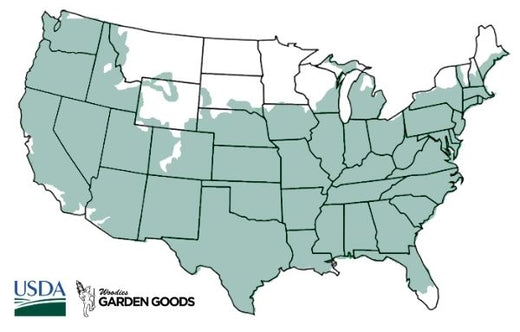
| Hardiness Zone: | 5-9 |
|---|---|
| Mature Height: | 8 to 10 Inches |
| Mature Width: | 8 to 12 inches |
| Sunlight: | Full sun |
| Water Requirements: | Moderate during establishment; lower water needs once established |
| Soil | Well-drained soil; prefers sharp drainage |
| Bloom Time / Color | Spring through early summer, with possible rebloom; magenta-pink fringed flowers |
| Wildlife Value | Attracts butterflies and other pollinators |
| Resistance (deer/disease/drought/etc.) | Evergreen to semi-evergreen, drought tolerant once established, low-maintenance |
| Landscape Uses | Border edging, rock garden, patio container, raised bed, cottage garden, sunny front border |
How to Care for Dianthus Tickled Pink
Be sure to read our planting instructions to ensure a healthy and happy Tickled Pink Dianthus for years to come!
-v1774098712390.png?92x91)
How should I plant Tickled Pink Dianthus?
Plant Tickled Pink Dianthus in full sun in sharply well-drained soil. Dig a hole about twice as wide as the root ball and no deeper than the root ball itself, then set the plant so the crown sits level with or slightly above the surrounding soil. Backfill with native soil, water thoroughly, and avoid burying the crown too deeply. This perennial works especially well in borders, rock gardens, and containers where the compact habit and flowers can be enjoyed up close.
-v1774098735945.png?89x84)
How often should I water Tickled Pink Dianthus after planting?
Water Tickled Pink Dianthus deeply right after planting, then keep the soil evenly moist during the establishment period. In the first growing season, that usually means watering during dry spells so the roots can settle in and support steady flowering. Once established, let the soil dry a bit between waterings and avoid keeping the crown wet for long periods. This plant is more tolerant of drier conditions than soggy soil, so deep but less frequent watering is usually the best approach.
-v1774098751974.png?90x89)
When should I fertilize Tickled Pink Dianthus?
Tickled Pink Dianthus usually needs only light feeding. If the soil is especially poor, a small amount of balanced slow-release fertilizer in spring is enough to support healthy foliage and bloom. Avoid overfertilizing, because too much soft growth can work against the tidy habit that makes this plant so useful. In most landscapes, sunlight, drainage, and moderate fertility matter more than rich feeding.

When and how should I prune Tickled Pink Dianthus?
Deadhead spent flowers during the season to keep Tickled Pink Dianthus looking tidy and to encourage continued bloom. Because the plant naturally stays compact, most pruning is really just cleanup rather than reshaping. In early spring, trim away any winter-worn foliage to refresh the mound and make room for new growth. Avoid cutting too hard into the crown, and focus on light maintenance that preserves the neat form.