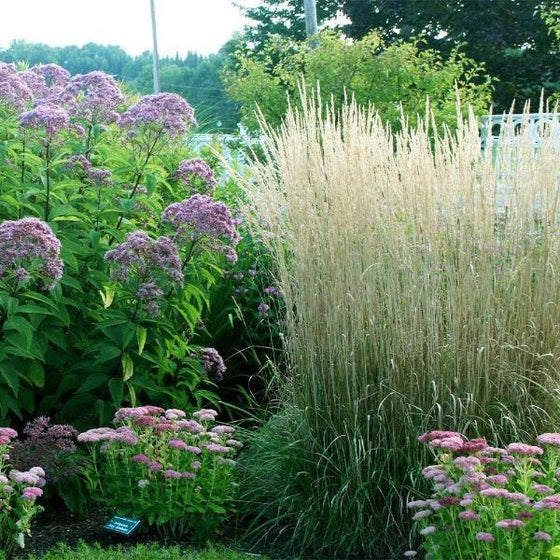
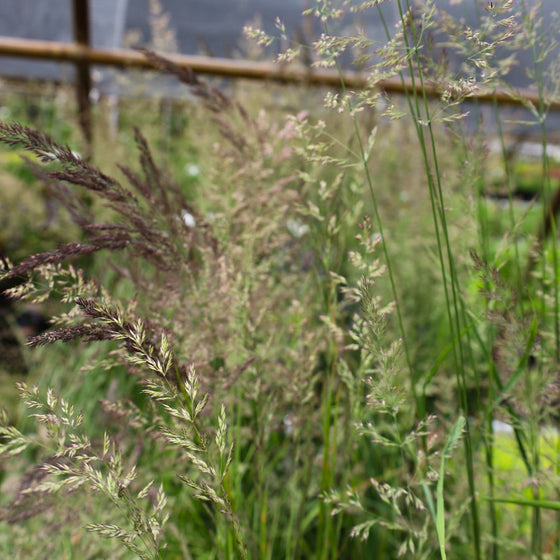
• Karl Foerster Feather Reed Grass is used in a mixed patio planting with perennials, adding height, movement, and structured texture.
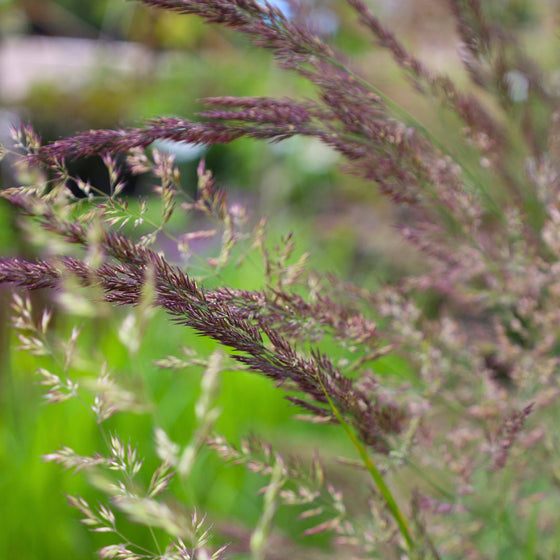
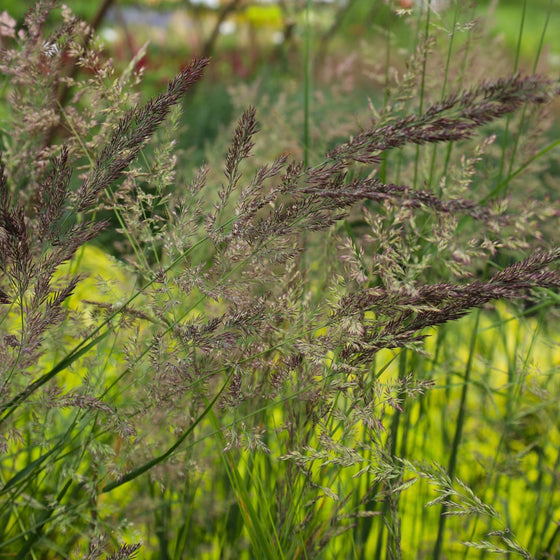
  • Close-up of Karl Foerster Feather Reed Grass plumes with soft pink-purple tones and feathery texture above narrow stems.
  • Karl Foerster Feather Reed Grass planted in a sunny border, showing tall upright green blades and narrow vertical flower plumes.
  • Calamagrostis x acutiflora Karl Foerster, Feather Reed Grass

Images Depict Mature Plants

Karl Foerster Feather Reed Grass

Calamagrostis x acutiflora Karl Foerster

Karl Foerster Feather Reed Grass is one of those plants that makes a border look sharper without making it look stiff. I like using it when a landscape needs height, rhythm, and movement, especially in sunny beds where the narrow habit can repeat through the planting without taking up too much width. It is dependable, deer-resistant, and useful from summer right through winter, which makes it one of the easiest ornamental grasses to work into real gardens.

Sale Price $24.95 USD
Coupon Icon

15% OFF WITH CODE PLANTING15

Save 15% Off Your Entire Order! Limited time.

Size Selector
Quantity Selector
Low Stock: Remaining
- +

📦 Free shipping on orders over $99.

Delay shipping by leaving us a message at Checkout.

Share:

Recommended Add-Ons

Woodies Root Booster Fertilizer

Woodies Root Booster Fertilizer

Woodies Select 4-4-4 Organic Fertilizer

Woodies Select 4-4-4 Organic Fertilizer

Espoma Garden-Tone

Espoma Garden-Tone

Wonder Grip Garden Gloves

Wonder Grip Garden Gloves

Vertical Texture and Four-Season Structure for Sunny Gardens
Strong vertical form that sharpens the whole planting

Karl Foerster Feather Reed Grass is one of the best ornamental grasses for bringing crisp vertical lines into the landscape. Its narrow clump of green foliage stays tidy at the base while tall flower stems rise above it in a strongly upright habit. That clean silhouette makes it especially valuable in foundation plantings, perennial borders, and modern designs where structure matters just as much as color. It gives the eye something tall and disciplined to follow, which can make an entire planting feel more intentional.

Because the habit is so narrow and upright, this grass fits places where wider ornamental grasses would feel too bulky. It works beautifully in rows, repeated accents, or small groupings that create rhythm along a walkway or bed line. Gardeners often use it to frame patios, anchor mixed borders, or add a soft vertical screen without the heaviness of a shrub hedge. It has presence, but it never feels lumbering or oversized.

Feathery plumes and winter interest that keep working

The flower display is one of the reasons this grass has remained so popular for so long. In early to midsummer, feathery plumes rise above the foliage with soft pink to purplish tones, then mature to tan or wheat-colored seed heads that hold well into fall and winter. That progression gives the plant a long ornamental season rather than a short bloom window. It starts delicately, then gradually becomes more architectural as the plumes dry and stiffen.

Winter is where Karl Foerster continues to earn its keep. The upright tan stems and seed heads remain attractive when many perennials have collapsed or disappeared, giving the landscape movement, texture, and structure during the quietest months of the year. Whether planted beside evergreens, used in a snowy border, or left standing in a meadow-style bed, it keeps the garden looking designed well past the growing season.

Easy performance in the sun with broad landscape adaptability

Karl Foerster Feather Reed Grass is a cool-season ornamental grass that performs best in full sun, though it can tolerate some light shade. It prefers reasonably moist, well-drained soil, but it is adaptable enough to handle clay and a range of average garden conditions once established. That flexibility is part of its appeal. It gives homeowners an upright, polished ornamental grass without asking for overly fussy care or specialty conditions.

It is especially useful in landscapes that need dependable height with a low-maintenance attitude. Once rooted in, it handles heat, cold, wind, and ordinary garden conditions well, and it is typically not a favorite of deer. It also remains more upright than many ornamental grasses, which is a major advantage in beds where a cleaner look is preferred. For gardeners who want a reliable performer that looks refined through much of the year, Karl Foerster is an easy choice.

A smart choice for borders, screening, containers, and slopes

Few ornamental grasses are as versatile in design as Karl Foerster. It can be used as a specimen accent, in repeated drifts, in formal rows, or in mass plantings where a strong vertical effect is needed. Its narrow width makes it ideal for smaller gardens and tighter planting beds, while its height allows it to function as a seasonal screen or soft divider between spaces. It also blends beautifully with coneflowers, black-eyed Susans, salvias, nepeta, and broadleaf shrubs.

This grass can also work in large containers where height and upright texture are needed, especially as a thriller element in sunny seasonal displays. On slopes and banks, the clumping root system helps hold space visually while adding movement and long-season structure. For homeowners who want a landscape grass that feels useful, elegant, and easy to place, Karl Foerster is one of the strongest options available.

2001 Perennial Plant of the Year


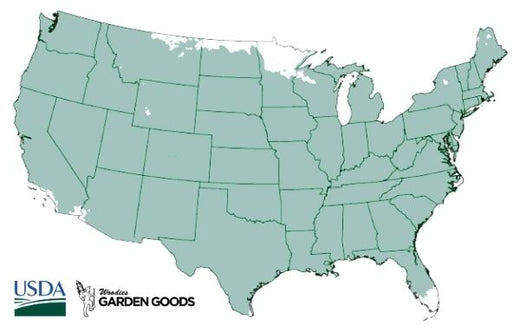
Growzone: 4-9 Karl Foerster Feather Reed Grass Hardiness Zones 4-9
Mature Height: 4 to 5 Feet
Mature Width: 2 to 3 Feet
Sunlight: Full sun to part shade
Water Requirements: Regular water during establishment; moderate water needs once established
Soil Moist, well-drained soil; adaptable to clay and average garden soils
Bloom Time / Color Early to midsummer / pink to purplish plumes maturing to tan
Wildlife Value Provides cover and seed-head interest; useful in layered habitat plantings
Resistance (deer/disease/drought/etc.) Deer resistant, cold hardy, low maintenance, adaptable to clay soils
Landscape Uses Borders, screening, mass planting, foundation accents, containers, slopes, winter interest

How to Care for Karl Foerster Feather Reed Grass

Before you buy a Karl Foerster Feather Reed Grass, make sure to read about the recommended care instructions to keep this plant healthy and thriving.

How should I plant Karl Foerster Feather Reed Grass?

How should I plant Karl Foerster Feather Reed Grass?

Plant Karl Foerster Feather Reed Grass in full sun to light shade in well-drained soil, setting the crown level with the surrounding grade. Dig a hole two to three times wider than the root ball and about as deep as the root ball, then backfill with native soil so the plant can establish naturally in the surrounding bed. Water thoroughly after planting to settle the soil, then apply a light mulch layer around the base while keeping mulch away from the crown. If you are planting several together, give each clump enough room to mature upright without crowding so the strong vertical habit stays clean and attractive.

How often should I water Karl Foerster Feather Reed Grass after planting?

How often should I water Karl Foerster Feather Reed Grass after planting?

Water Karl Foerster Feather Reed Grass regularly during the first growing season so the roots can establish well. In most gardens, a deep soaking once or twice a week is enough, depending on rainfall, heat, and soil type, with the goal of keeping the root zone evenly moist but not soggy. After establishment, this grass usually needs only moderate supplemental watering during extended dry periods. Deep watering is better than frequent shallow watering because it encourages stronger roots and helps the plant stay more resilient during summer stress.

When should I fertilize Karl Foerster Feather Reed Grass?

When should I fertilize Karl Foerster Feather Reed Grass?

Fertilize Karl Foerster Feather Reed Grass lightly in early spring if needed, just as new growth begins. A balanced slow-release fertilizer or a topdressing of compost is usually enough to support healthy growth and plume production without pushing the plant too hard. In average garden soil, heavy feeding is usually unnecessary. Too much fertilizer can encourage softer growth and reduce the crisp upright habit that makes this ornamental grass so useful in the landscape, so light feeding is the better long-term approach.

When and how should I prune Karl Foerster Feather Reed Grass?

When and how should I prune Karl Foerster Feather Reed Grass?

Cut Karl Foerster Feather Reed Grass back in late winter or very early spring before fresh growth begins. Trim the old stems and foliage down to a few inches above the ground so new growth can emerge cleanly through the base. Leaving the plumes and stems standing through fall and winter improves seasonal interest and keeps the garden looking structured during the dormant months. Waiting until late winter also helps preserve the vertical tan seed heads that make this grass so valuable in four-season landscapes.


Frequently Asked questions

When does Karl Foerster Feather Reed Grass bloom, and what color are the plumes?

How fast does Karl Foerster Feather Reed Grass grow, and how large will it get?

Does Karl Foerster Feather Reed Grass help pollinators or wildlife?

Is Karl Foerster Feather Reed Grass deer resistant, and is it evergreen?

Can Karl Foerster Feather Reed Grass grow in containers or on slopes?

How far apart should I space Karl Foerster Feather Reed Grass?


Related Blogs


Other Products you may be interested in

Mexican Feather Grass

Mexican Feather Grass

Hameln Fountain Grass

Hameln Fountain Grass

Pennsylvania Sedge

Pennsylvania Sedge


Customer Reviews