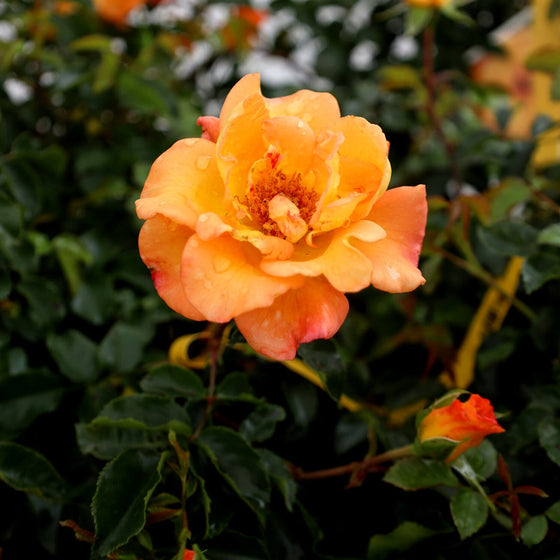
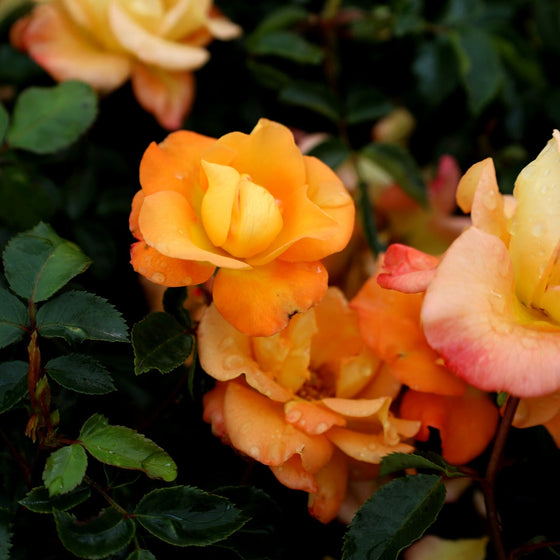


Images Depict Mature Plants
Sunorita Rose
Rosa 'Chewgewest' PPAF
I love Sunorita because it gives you that classic rose-bloom look in a shrub that behaves like a landscape pro—steady color from spring to frost, warm orange flowers that mellow into gold, and the kind of disease resistance that lets you enjoy the plant instead of worrying over it. Give it full sun, water well while it’s settling in, and hit it with a simple late-winter prune, and it’ll reward you with a bright, blooming hedge or border that looks intentional all season long.
📦 Free shipping on orders over $99.
Delay shipping by leaving us a message at Checkout.
Share:



Sunorita Rose for Orange-to-Golden Blooms and Easy All-Season Color
Orange Buds That Open A Soft Orange And Finish Golden
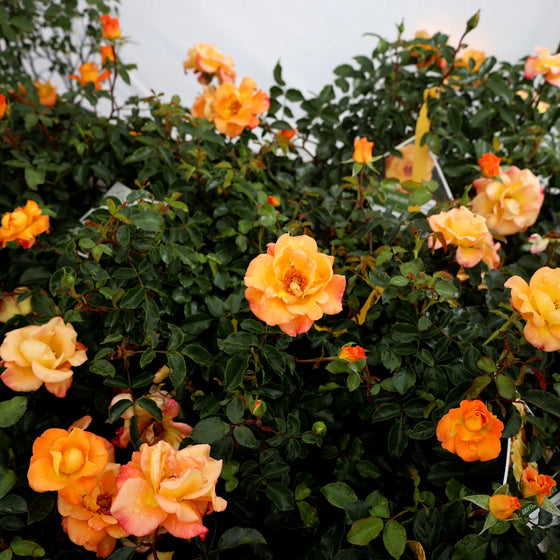
Sunorita Rose is a showstopper because it doesn’t just bloom—it changes as it blooms. Bright red-orange buds open into soft orange flowers, then age into deeper golden tones, so it’s common to see multiple shades on the plant at the same time. That color shift adds depth and movement to the landscape, giving you a “designed” look without having to mix three different plants to achieve it.
The flowers have a classic rose look with plenty of petals, so you get that traditional bloom shape in a modern, landscape-friendly shrub. Plant it where warm color matters most: near patios, along a sunny walkway, or as a bright anchor in a mixed border. It pairs beautifully with blues and purples (salvia, catmint, lavender), and it also glows against dark evergreens and deep green hedges.
Nonstop Bloom Power With Low-Fuss Maintenance
If you love roses but don’t love constant upkeep, Sunorita is the kind of shrub rose that makes gardening feel easy again. It blooms from spring through frost, and it’s known for flowering without needing you to deadhead every spent bloom. That means more time enjoying the color and less time chasing the plant with pruners just to keep it going.
Even better, this rose is valued for its strong resistance to common rose problems like black spot and powdery mildew, especially when planted in full sun with good airflow. Keep your watering at the base, avoid soaking the foliage late in the day, and you’ll help the plant stay clean and confident through the season. It’s a great choice for gardeners who want “big rose impact” with a practical, modern maintenance level.
A Medium-Size Shrub Rose That’s Perfect For Hedges And Mass Planting
Sunorita forms a sturdy, medium-sized shrub that typically matures around 3–4 feet tall and 3–4 feet wide, giving you a full, upright presence without swallowing the bed. That size is ideal for creating a flowering hedge that feels substantial but still manageable. It also makes a strong, repeating plant—use it in a row to frame a walkway, define the edge of a lawn, or provide consistent color along a long border.
Because it’s naturally dense and showy, it shines in mass plantings where you want color to read from a distance. Think: three to seven plants in a drift, or a long ribbon along a fence line. It’s also a smart solution for “awkward” sunny spaces—like the hot strip between the driveway and the lawn—because it delivers ornamental impact while staying in a tidy, predictable size range.
Confident Performance In Mixed Borders And On Sunny Hillsides
Sunorita isn’t just for rose beds—it’s a landscape workhorse. It looks fantastic tucked into mixed borders where perennials and grasses can soften the base while the rose carries color up at eye level. The dark green foliage provides a rich backdrop for the blooms, and the warm orange-to-gold palette plays well with both contemporary and cottage-style plantings.
It’s also an excellent choice for sunny hillsides and slopes where you want durable color and a plant that visually “holds” the space. For slopes, deep watering during establishment matters because you want roots to anchor and spread before summer heat hits. Once it’s settled in, a simple late-winter prune and consistent sun are usually all it needs to keep that steady bloom cycle rolling.
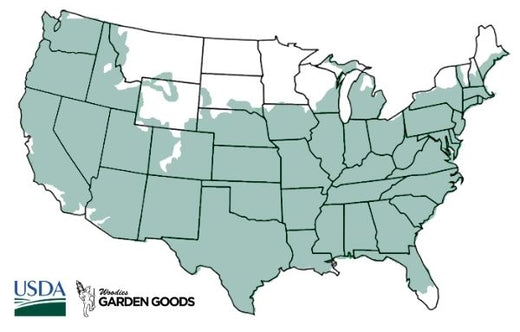
| Hardiness Zone: | 5-9 |
|---|---|
| Mature Height: | 3 to 4 Feet |
| Mature width: | 3 to 4 Feet |
| Sunlight: | Full sun for best blooms |
| Bloom Time / Color | Spring through frost; orange blooms aging to golden tones |
| Soil Condition: | Any well-drained soil |
| Water Requirements: | Water well until established; medium thereafter |
| Wildlife Value | Blooms can attract bees and beneficial pollinators |
| Resistance | Strong disease resistance to black spot and powdery mildew; not reliably deer resistant |
| Landscape Uses | Mixed borders, mass planting, flowering hedge, hillsides/slopes |
How to Care for Sunorita® Rose
Be sure to read our planting instructions to ensure a healthy and happy Sunorita Rose plant for years to come!

How should I plant Sunorita Rose?
Plant Sunorita Rose in full sun in any well-drained soil. Dig a hole about twice as wide as the root ball but not deeper, then set the plant so the top of the root ball is level with the surrounding soil. Backfill with your native soil, water deeply to settle, and shape a shallow watering ring to direct water into the root zone. Mulch 2–3 inches over the planting area to conserve moisture and reduce weeds, but keep mulch a few inches away from the base of the plant. If your soil drains slowly, plant slightly high or improve drainage before planting. A sunny, well-drained start is the quickest path to stronger growth, cleaner foliage, and heavier bloom cycles.

How often should I water Sunorita Rose after planting?
Water deeply right after planting, then keep the root zone consistently moist (not soggy) for the first few weeks while roots start to establish. A good baseline is a deep soak about once per week, increasing to twice per week in hot weather, sandy soils, or windy sites. After the plant is established, continue watering during extended dry spells and during peak bloom periods for the best performance. Water at the base rather than overhead, because wet foliage can invite disease pressure on roses in general. Deep, less-frequent watering is better than frequent shallow sprinkling.

When should I fertilize Sunorita Rose?
Fertilize in early spring as new growth begins using a balanced, slow-release fertilizer or a rose-specific blend. Apply it over the root zone (not against the stems) and water afterward so nutrients move into the soil where feeder roots can access them. Feed again after the first major flush of blooms to support nonstop flowering through summer and into fall. Avoid heavy fertilizing late in the season, which can push tender growth when the plant should be slowing down. Moderate, consistent feeding produces the best blooms and sturdier growth.

When and how should I prune Sunorita Rose?
Prune Sunorita Rose in late winter before new growth begins. Start by removing dead, damaged, or crossing stems, then lightly shape the plant to maintain an attractive, balanced form. This timing encourages vigorous new shoots that fuel heavy flowering in the growing season. If the plant looks tired later in summer, a light refresh prune can help it rebound and push new blooms, but avoid heavy pruning in extreme heat. During the season, you can let the plant bloom without constant deadheading, or do light cleanup for a tidier look—either approach still supports strong repeat color.