
Encore Azaleas for Repeat Blooms & Evergreen Garden Beauty
Reblooming evergreen azaleas for months of color in beds, borders, and containers
Encore Azaleas are the answer for anyone who loves the classic azalea look but wants more than a single spring moment. These reblooming azaleas are known for flowering in spring and then repeating color through summer and into fall—so your foundation plantings, front-walk borders, and patio pots don’t go quiet after the first flush. Their evergreen foliage keeps structure in the landscape year-round, while the bloom colors range from crisp whites to saturated pinks and purples, letting you design everything from a soft cottage entry to a bold, high-contrast hedge line. Give them the right start—acidic, well-drained soil and consistent moisture while they establish—and you’ll get that “freshly planted” look for seasons, not weeks.
What I like most is the flexibility: compact growers for tight beds and containers, plus larger options that can be massed for impact or shaped into a blooming screen. Most do best with about 4–6 hours of sun (morning light is ideal), and a light touch of pruning timed right after flowering helps keep plants full without sacrificing future buds. And because azaleas can be toxic if pets chew on them, it’s smart to place them where curious nibblers don’t browse. That’s where confidence matters—great plant choices, clear guidance, and the We Grow Together Promise so you feel supported from delivery day through the last fall blooms.

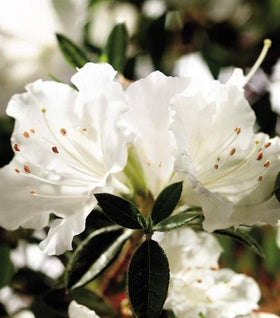

Autumn Bonfire® Encore® Azalea
$89.95
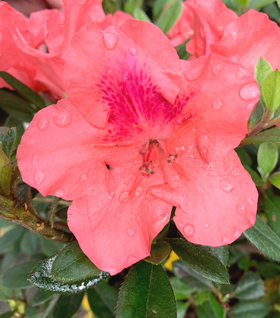


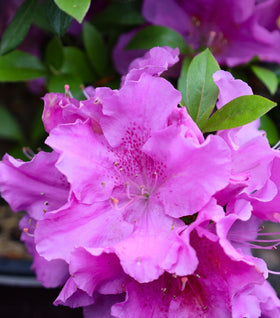


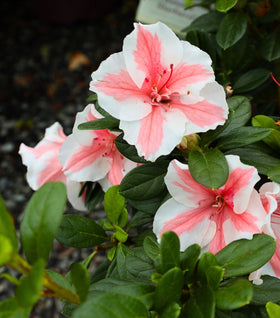
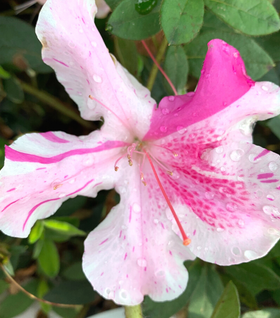
Get months of azalea color with reliable rebloomers.
If you’ve ever wished your spring azaleas would keep going, this collection is built for that exact goal: a strong spring show followed by repeat bloom cycles that carry color through summer and into fall. In real landscapes, that means your entry plantings keep looking “finished,” even when other shrubs have shifted to green-only mode. The best part is you can plan around bloom power instead of settling for a short window—especially helpful for homeowners who want standout curb appeal for more than a few weeks a year.
These are evergreen azaleas, so the garden doesn’t lose structure when flowers pause. The foliage stays attractive through the seasons, creating a dependable backdrop for perennials and annuals, and giving foundation lines a clean, intentional look. That evergreen framework is also what makes them so useful in mixed shrub borders—you get year-round form, then repeated bursts of color when conditions are right.
Versatility is a theme across the collection: some varieties stay dwarf and tidy for small beds and containers, while others mature larger for mass plantings and blooming hedges. If you want a coordinated look, it’s easy to repeat one variety in a rhythm along a walkway; if you want a designer blend, you can mix bloom colors while keeping the overall habit consistent. Either way, the collection gives you options for both precision planting and “big sweep” impact.
These shrubs also reward thoughtful siting. They’re known for being more sun-tolerant than many traditional azaleas, and they can bloom best with solid light—making them a strong pick for brighter foundation exposures where standard azaleas can struggle. With the right soil prep and mulch, they settle in well and become the kind of shrub you appreciate more each year.
Choose the size, shape, and bloom color you want.
One of the biggest wins here is range. You’ll find compact, rounded shrubs that top out around 2–3 feet, plus stronger growers that can reach roughly 4–5 feet when mature—so you can match plant scale to your space instead of forcing a “one size fits all” azalea into every bed. Think of the smaller types as precision tools for edging and containers, and the larger types as anchor shrubs that can carry a whole planting design.
Bloom timing is a major differentiator: these are reblooming azaleas, with flowers that appear in spring and then repeat through summer and into fall under good light and care. That extended bloom habit changes how you design—because you can rely on recurring color rather than building your whole plan around one spring peak. For many gardeners, it’s the easiest way to get “season after season” flowering without constantly swapping plants.
Color and texture are equally varied. Blooms can be crisp white, soft pink, bold fuchsia, and rich purple, often paired with glossy evergreen foliage that reads clean and polished in the landscape. That contrast—bright flowers against dark green leaves—is why these shrubs photograph so well at entryways and along paths, and why they make such strong focal points even in simple, low-plant-count designs.
Growth rate is typically moderate rather than fast, which is a good thing for long-term shape and reduced pruning pressure. You’re aiming for a steady fill-in and a dense, well-branched plant over time, not a shrub that outgrows its spot in a couple of seasons. Choose your mature size up front, and you’ll spend more time enjoying blooms and less time correcting scale later.
Plant them where light and soil set you up to win.
For best flowering, plan on about 4–6 hours of sun, ideally morning sun with some afternoon protection in hotter exposures. That level of light supports repeat blooming while helping the plants stay full and leafy. In higher filtered shade, they can still grow, but bloom production may be lighter—so if your goal is maximum rebloom, prioritize a brighter site.
Soil is the other make-or-break detail: azaleas prefer acidic, organic-rich, well-drained conditions. If your soil holds water (heavy clay or low spots), improve drainage before planting or consider a raised bed, as poor drainage is a common pathway to root decline and rot. A 2–3 inch mulch layer helps conserve moisture, buffer temperature swings, and keep roots happy near the surface where azaleas naturally feed.
Spacing depends on mature size, but a practical planning range is 3–5 feet for many landscape plantings, with wider spacing for larger cultivars and tighter spacing for dwarf borders. In foundation lines, give enough room for air flow (which helps reduce disease pressure) while still allowing the shrubs to knit together into a continuous, blooming band. In containers, size up your pot and keep moisture consistent—containers dry faster, especially in sun, which can reduce bloom performance if the plant is stressed.
Keep care simple and get better blooms each season.
Start with the basics that matter most: well-drained acidic soil, steady moisture during establishment, and smart light. Water deeply when the top few inches start to dry rather than doing frequent shallow sips, and avoid “wet feet,” because saturated soil can lead to root problems. Once established, azaleas are far more forgiving, but consistent watering during heat waves is the difference between “surviving” and “blooming hard.”
Pruning is usually minimal, but timing is everything. The safest window is shortly after flowering—especially after the spring flush—because pruning later can reduce the next set of buds. If you need shaping, think light and early rather than heavy and late; the goal is to encourage branching while protecting future bloom cycles.
Feed with a light hand. Acid-loving shrubs generally do best with appropriate, acid-forming nutrition applied in spring (and sometimes early summer depending on soil), and avoiding late-season fertilizing that pushes tender growth when plants should be hardening off. Mulch, organic matter, and a soil-test-guided approach usually outperform aggressive feeding—and keep roots healthier in the long term.