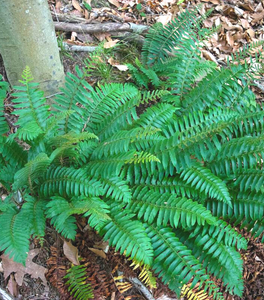


Images Depict Mature Plants
Tassel Fern
Polystichum polyblepharum
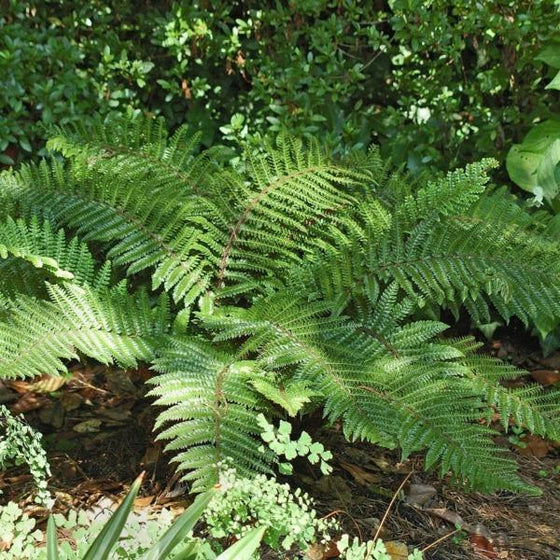
Tassel Fern is a beautiful choice when you want a shade fern that looks clean, glossy, and refined. The dark green fronds have more polish than many softer-textured ferns, and the new growth gives you that unique tassel effect in spring. I especially like it with Japanese Painted Fern, Autumn Fern, hostas, hellebores, heuchera, and carex, where the shiny evergreen texture can anchor the planting and keep the shade garden looking finished.

15% OFF SITEWIDE SALE
Use Code 'PRIMETIME15' At Checkout
📦 Free shipping on orders over $99.
Delay shipping by leaving us a message at Checkout.
Share:Recommended Add-Ons


Glossy Evergreen Texture for Elegant Shade Gardens
Glossy dark green fronds with refined structure.
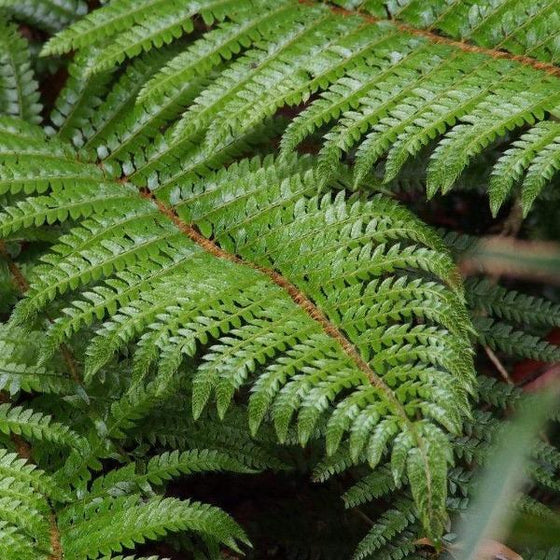
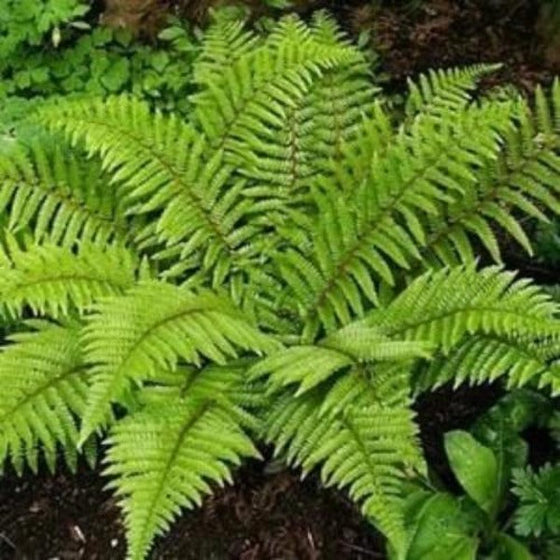
Tassel Fern is prized for its shiny, dark green fronds that bring a clean, elegant texture to shaded gardens. The fronds form a symmetrical, vase-shaped clump that looks polished without feeling stiff, making this fern useful in woodland gardens, foundation beds, shaded walkways, and mixed perennial borders. Its deep green foliage contrasts beautifully with silver Japanese Painted Ferns, coppery Autumn Ferns, broad hostas, colorful heuchera, hellebores, carex, and other shade-loving plants.
Distinctive new growth with a tasseled look.
The common name Tassel Fern comes from the way new fronds emerge upright and then bend backward at the tips before flattening as they mature. This creates a temporary tassel-like effect that adds seasonal interest and gives the plant a distinctive personality in spring. The unfurling fronds also have a textured, fuzzy look from the bristly scales along the stems, making this fern especially appealing for homeowners to enjoy up close along paths, patios, and shaded entries.
An evergreen fern for shade garden structure.
Polystichum polyblepharum is evergreen to semi-evergreen in many climates, giving shaded plantings structure beyond the main growing season. In colder areas, winter weather may roughen the foliage, but the plant refreshes with new growth in spring. Use Tassel Fern as a low evergreen mass, a textural foundation companion, a refined shade accent, or a quiet backdrop for spring flowers and colorful foliage perennials.
Deer-resistant foliage with low-maintenance appeal.
Tassel Fern is commonly considered deer-resistant and rabbit-resistant, making it a practical foliage plant for shaded landscapes where browsing pressure can be frustrating. It is also relatively easy to grow when placed in the right site. For best results, plant it in part shade to full shade with rich, moist, well-drained soil, and protect it from hot afternoon sun, drying winds, and constantly soggy conditions.
Beautiful in containers and layered woodland plantings.
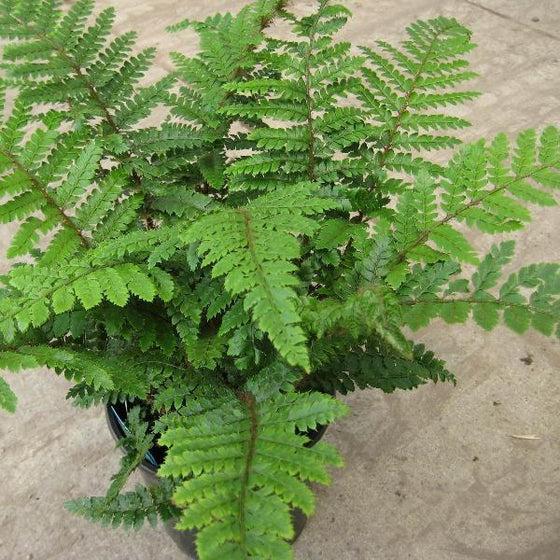
Tassel Fern works well in shaded containers, porch planters, woodland gardens, and mixed shade beds where its glossy texture can be appreciated throughout the season. Its tidy clumping habit makes it easier to use in smaller spaces than more aggressive spreading ferns. Plant it in groups for a stronger evergreen effect, or repeat it through a shaded border to create rhythm, polish, and year-round foliage interest.
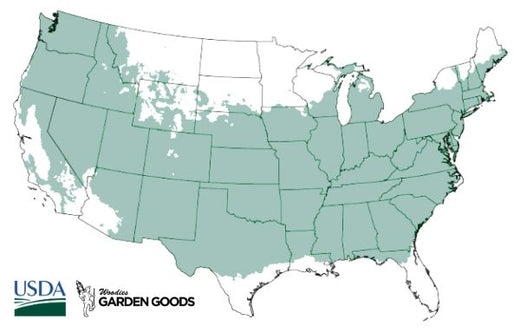
| Hardiness Zone: | 5-8 |
|---|---|
| Mature Height: | 1.5 to 2 feet |
| Mature Width: | 1.5 to 2 feet |
| Sunlight: | Part shade to full shade; tolerates some morning sun with consistent moisture |
| Soil | Organically rich, moist, well-drained soil |
| Water Requirements: | Water regularly after planting; prefers even moisture but does not tolerate standing water |
| Bloom Time / Color | Ferns do not flower; grown for glossy dark green foliage and tasseled new fronds |
| Foliage | Evergreen to semi-evergreen, Glossy, dark green, bipinnate fronds with overlapping leaflets and bristly-scaled stems |
| Ornamental Features | Shiny fronds, vase-shaped clump, tasseling new growth, evergreen texture, refined shade-garden structure |
| Wildlife Value | Provides shade-garden texture and habitat structure |
| Resistance | Deer resistant and rabbit resistant in many landscapes; shade tolerant and low maintenance in moist, well-drained soil |
| Landscape Uses | Shade borders, woodland gardens, foundation beds, under-tree plantings, shaded walkways, containers, mass plantings, mixed fern gardens, and low-maintenance shade landscapes |
How to Care for Tassel Fern
Before you buy a Tassel Fern, make sure to read about the care instructions that are recommended to keep this plant healthy and thriving.

How should I plant Tassel Fern?
Plant Tassel Fern in part shade to full shade with rich, moist, well-drained soil. A site with morning sun and afternoon shade, filtered woodland light, or bright open shade is ideal, especially in warmer climates where hot afternoon sun can stress the fronds. Dig a hole about twice as wide as the root ball and set the crown level with the surrounding soil. Backfill, water deeply, and space plants about 18 to 24 inches apart so the clumps have room to mature while still creating a full shade-garden display.

How often should I water Tassel Fern after planting?
Water Tassel Fern regularly during the first growing season while the roots establish. Keep the soil evenly moist, especially during warm weather, dry spells, or the first several weeks after planting. Once established, Tassel Fern prefers steady moisture but can tolerate short dry periods better than some more delicate ferns. Avoid standing water and poorly drained soil, because overly wet conditions can lead to crown or root problems.

When should I fertilize Tassel Fern?
Fertilize Tassel Fern lightly in spring with compost, leaf mold, or a gentle organic fertilizer if the soil is poor. Rich organic matter helps mimic woodland soil conditions and supports glossy, healthy fronds. Avoid heavy fertilizer applications, which are usually unnecessary and can push soft growth. A yearly layer of compost or shredded leaf mulch helps feed the soil, conserve moisture, and keep the root zone cool.

When and how should I prune Tassel Fern?
Prune Tassel Fern by removing old, damaged, or winter-worn fronds in late winter or early spring before new fronds begin to unfurl. Cut old fronds close to the base without damaging the crown. During the growing season, remove browned or damaged fronds as needed to keep the plant tidy. Because Tassel Fern has a clumping habit, it usually needs little shaping beyond cleaning up older foliage.