

Images Depict Mature Plants
Butterfly Weed
Asclepias tuberosa
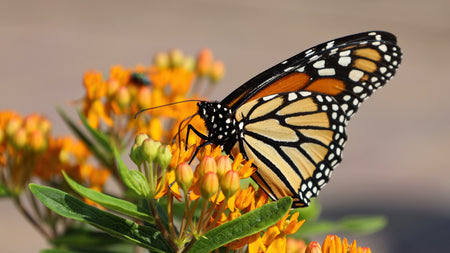
Orange Butterfly Weed is one of the most important native perennials you can add to a sunny pollinator garden because it brings together bright color, low maintenance, and real monarch value. The orange flowers are beautiful on their own, but the main reason to plant Asclepias tuberosa is that it supports monarch caterpillars while also feeding adult butterflies and bees. I like it best in groups where the color has real impact and where pollinators can find it easily.

15% OFF SITEWIDE SALE
Use Code 'PRIMETIME15' At Checkout
📦 Free shipping on orders over $99.
Delay shipping by leaving us a message at Checkout.
Share:



Native Orange Blooms for Monarchs and Pollinator Gardens
Bright orange flowers with native garden impact.
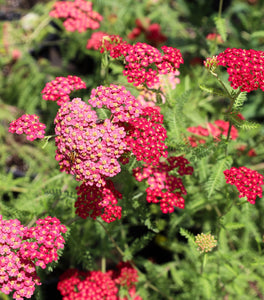
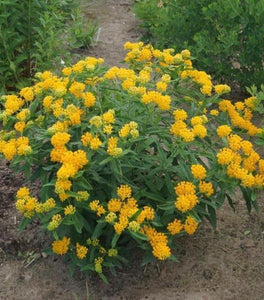
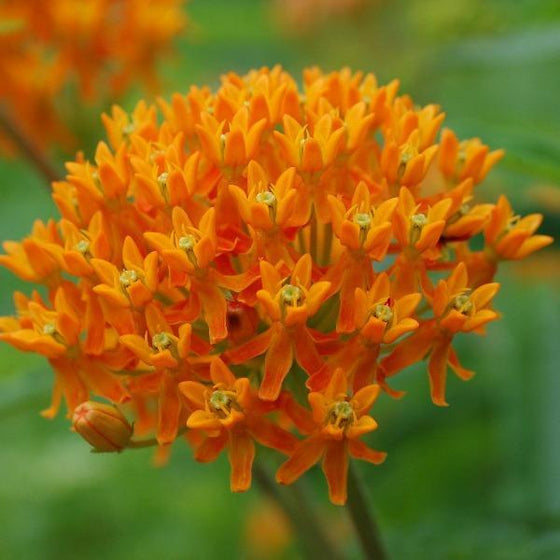
Orange Butterfly Weed brings bold clusters of vivid orange to yellow-orange flowers to sunny gardens in summer, creating the kind of color that immediately catches attention in pollinator beds, native plantings, and meadow-style borders. The flat-topped bloom clusters sit above narrow green foliage, adding a warm, natural look that pairs beautifully with coneflowers, black-eyed Susans, alliums, ornamental grasses, yarrow, salvia, and other sun-loving perennials. This is a strong choice when homeowners want a native perennial that looks ornamental but still feels right at home in a more natural landscape.
A true monarch host plant.
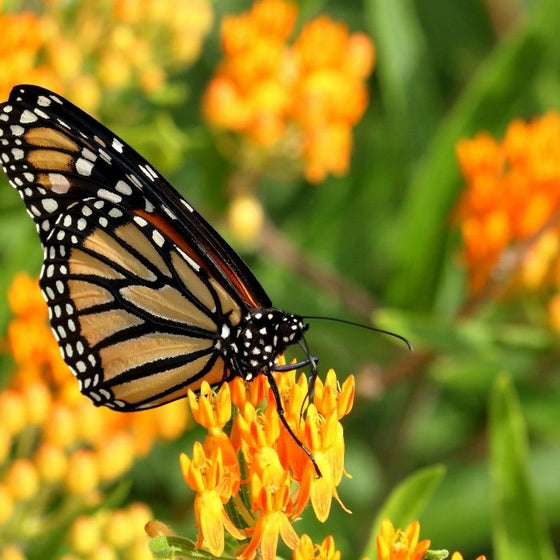
Asclepias tuberosa is a species of milkweed, and its foliage serves as a food source for monarch butterfly caterpillars. That makes Orange Butterfly Weed especially valuable in wildlife gardens because it supports the monarch life cycle, not just adult butterfly visits. The flowers also provide nectar for adult butterflies, bees, and other beneficial pollinators, making this plant one of the most useful native perennials for gardeners who want their landscape to do real ecological work.
Built for sun, heat, and dry soil.
Orange Butterfly Weed thrives in full sun and well-drained soil, including dry, rocky, sandy, or lean garden conditions where many fussier perennials struggle. Once established, it becomes drought-tolerant thanks to its deep taproot, which helps the plant handle hot weather and lower-water landscapes. It is an excellent choice for sunny slopes, curbside plantings, dry borders, native meadows, and pollinator gardens where strong drainage and lower maintenance are priorities.
Low maintenance once established, but best planted carefully.
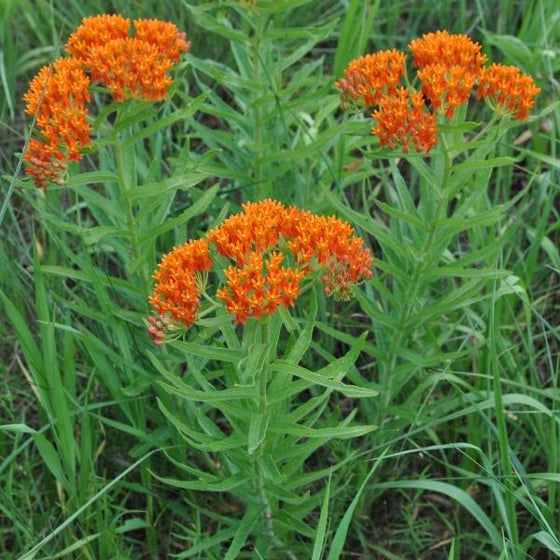
Butterfly Weed is easy to grow once it settles in, but it is best planted where it can stay long-term because its deep taproot makes mature plants difficult to transplant. It can also be slower to wake up in spring than some perennials, so patience is important before assuming it did not return. Once active growth begins, the plant forms a sturdy upright clump that brings summer color, pollinator value, and a clean native wildflower presence with very little fuss.
A natural fit for pollinator borders and native landscapes.
Use Orange Butterfly Weed in groups or repeated drifts for the strongest visual impact and the greatest benefit to monarchs and other pollinators. Its bright orange flowers contrast beautifully with purple, blue, yellow, white, and grass-like textures, making it easy to design with in both naturalistic and more polished perennial plantings. Seed pods may form after flowering and can add late-season interest, or they can be removed if you prefer to limit self-seeding.
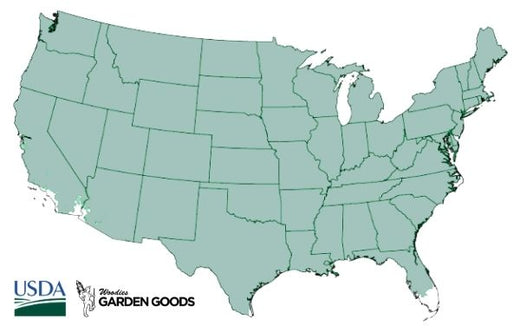
| Hardiness Zone: | 3-9 |
|---|---|
| Mature Height: | 18 to 30 inches |
| Mature Width: | 12 to 24 Inches |
| Sunlight | Full sun |
| Soil | Dry to medium, well-drained soil; adapts to sandy, rocky, lean, loamy, and prairie-style soils |
| Water | Water regularly after planting; drought tolerant once established |
| Bloom Time / Color | Summer, often June to August; bright orange to yellow-orange flower clusters |
| Foliage | Narrow green leaves on upright, hairy stems; unlike many milkweeds, sap is typically clear rather than milky |
| Ornamental Features | Bright orange flower clusters, native wildflower habit, upright clumps, seed pods, strong pollinator activity |
| Wildlife Value | Monarch butterfly host plant; attracts adult butterflies, bees, hummingbirds, moths, and other pollinators |
| Resistance | Deer resistant in many settings, drought tolerant once established, heat tolerant, and generally low maintenance |
| Landscape Uses | Pollinator gardens, monarch gardens, native gardens, butterfly gardens, sunny borders, meadow gardens, prairie plantings, dry slopes, rock gardens, cut flower gardens, and naturalized areas |
How to Care for Butterfly Weed
aBefore you buy a Orange Butterfly Weed, make sure to read about the recommended care instructions to keep this plant healthy and thriving.

How should I plant Orange Butterfly Weed?
Plant Orange Butterfly Weed in full sun with well-drained soil. Choose the planting site carefully, as Asclepias tuberosa develops a deep taproot and does not like being moved once established. Dig a hole about twice as wide as the root ball and set the crown level with the surrounding soil. Backfill gently, water deeply, and space plants 12 to 24 inches apart to allow airflow, support mature growth, and provide room for pollinators to move through the planting.

How often should I water Orange Butterfly Weed after planting?
Water Orange Butterfly Weed regularly during the first growing season while the roots establish. Keep the soil lightly moist after planting, but avoid soggy conditions because this native milkweed performs best in well-drained soil. Once established, Orange Butterfly Weed becomes drought-tolerant and usually needs little supplemental water except during extended drought. Deep, occasional watering is better than frequent shallow watering because it supports the plant’s naturally deep root system.

When should I fertilize Orange Butterfly Weed?
Fertilize Orange Butterfly Weed lightly in spring only if your soil is extremely poor. In most gardens, this native perennial grows best without heavy fertilizer and often performs well in lean, average, or sandy soils. Avoid high-nitrogen fertilizer or overly rich soil, which can encourage soft growth and reduce the rugged habit that makes Butterfly Weed so useful in dry, sunny gardens. A light compost top-dressing is usually enough if the planting bed needs improvement.

When and how should I prune Orange Butterfly Weed?
Prune Orange Butterfly Weed in late winter or early spring by cutting old stems back before new growth begins. The plant may emerge later than some perennials, so mark the planting spot and avoid disturbing the crown in early spring. During the growing season, deadhead spent flowers if you want to encourage a tidier look or reduce seed pods. Leave some seed pods if you want natural reseeding or late-season interest, but remove them before they split open if you want to limit seedlings.
Additional Information
Butterfly weed is a 2 feet tall herbaceous perennial that dies back in winter and re-sprouts from its underground tuber each spring. The brilliant orange or red flower clusters appear in midsummer. These are followed by attractive green pods that open to release silky "parachutes" to drift away on autumn winds. Butterfly weed is unique among milkweeds in that the sap is not milky and the leaves are not opposite. Many flowers have an inner whorl of petals, called the corolla, and an outer whorl of sepals, called the calyx. These are the showy, colorful parts of a typical flower. The milkweeds are special: they have a third whorl above the corolla called the corona.
Butterfly weed is a trouble-free perennial that will come up year after year in the same place without crowding its neighbors. Plant butterfly weed in mixed borders, meadows and natural areas. Butterfly weed is slow to emerge in spring, so you may want to mark where they are. Butterfly weed is a colorful, long-lived, drought tolerant perennial. Large clusters of bright orange to yellow-orange flowers top clumps of erect, hairy 1-2 feet tall stems with lance-shaped leaves. The seed pods, with their long silky hairs, can be used in dried flower arrangements. Butterfly weed prefers well-drained neutral to alkaline soils and full sun. It is one of many Asclepias species, all of which are required food for monarch butterfly larvae. It is also a great nectar plant for other butterflies and insects. Butterfly weed works well in a meadow or a perennial garden