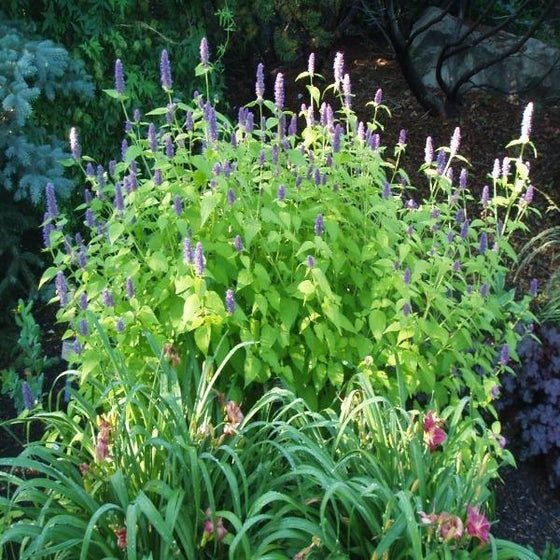
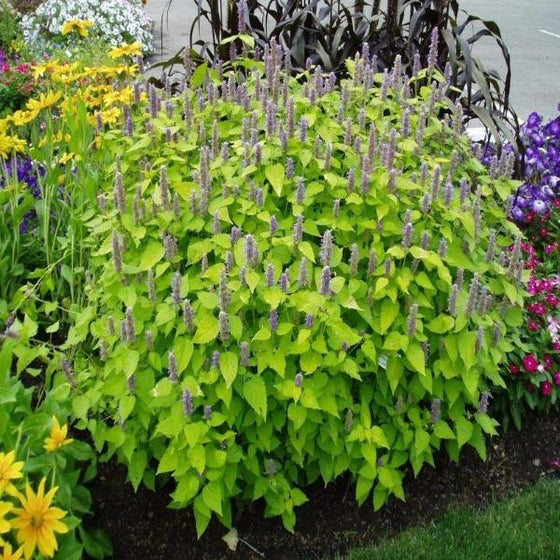


Images Depict Mature Plants
Agastache Golden Jubilee
Agastache foeniculum 'Golden Jubilee'
Golden Jubilee Agastache is a standout because it gives you the pollinator power of Agastache with the added bonus of bright golden foliage. The chartreuse leaves make the plant useful even before it blooms, and the lavender-blue flower spikes attract bees, butterflies, and hummingbirds throughout summer. I especially like it tucked into sunny borders where the foliage can contrast with purple, blue, and deep green plants while still offering the toughness, fragrance, deer resistance, and drought tolerance gardeners appreciate.

15% OFF SITEWIDE SALE
Use Code 'PRIMETIME15' At Checkout
📦 Free shipping on orders over $99.
Delay shipping by leaving us a message at Checkout.
Share:

Golden Foliage and Pollinator-Friendly Summer Blooms
Bright chartreuse foliage that lights up the garden.
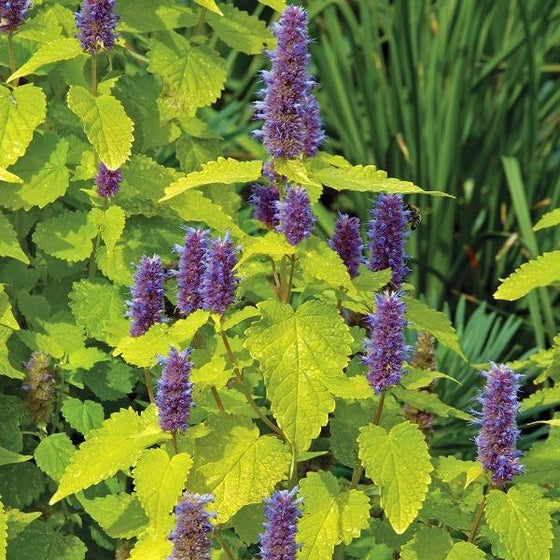
Golden Jubilee Agastache brings glowing chartreuse to golden-yellow foliage to sunny perennial beds, creating bold contrast even before the flowers appear. The bright leaves make this plant especially useful for breaking up deep greens, cooling down hot flower colors, and adding a fresh, luminous look to mixed borders.
Lavender-blue flower spikes for summer color.
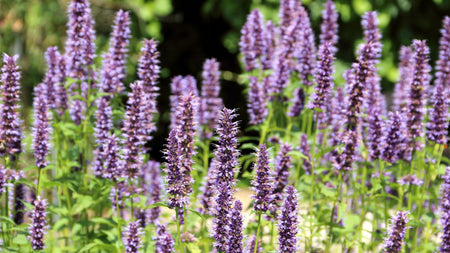
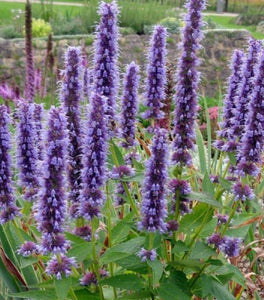
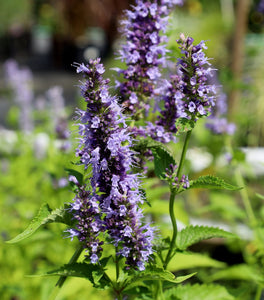
From summer into fall, Golden Jubilee Agastache produces upright lavender-blue to purple-blue flower spikes that stand beautifully above the golden foliage. The combination of cool-toned flowers and warm foliage gives this perennial a distinctive two-season look that works well in cottage gardens, pollinator beds, herb gardens, and sunny foundation plantings.
Fragrant leaves with an anise-mint scent.
Also known as Golden Jubilee Anise Hyssop, this perennial has aromatic foliage that releases a pleasant minty, anise-like fragrance when brushed or crushed. Plant it near walkways, patios, seating areas, and garden edges where the fragrance and bright foliage can be enjoyed up close.
A pollinator favorite for bees, butterflies, and hummingbirds.
Golden Jubilee Agastache is highly attractive to bees, butterflies, hummingbirds, and other beneficial pollinators. Its long-blooming flower spikes help keep the garden active through the warm months, making it a smart choice for homeowners building pollinator-friendly landscapes.
Easy-care color for sunny, well-drained spaces.
This Agastache performs best in full sun to light shade and well-drained soil. Once established, it is drought-tolerant and low-maintenance, while its aromatic foliage helps make it less appealing to deer and rabbits.
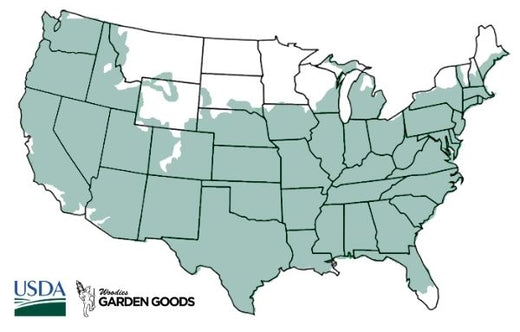
| Hardiness Zone: | 5-9 |
|---|---|
| Mature Height: | 2 to 3 feet |
| Mature Width: | 1 to 2 feet |
| Sunlight: | Full sun to light shade; best foliage color and flowering in full sun |
| Soil | Well-drained soil; performs well in average to lean soil and dislikes wet, poorly drained sites |
| Water | Water regularly after planting; drought tolerant once established |
| Bloom Time / Color | Summer into fall; lavender-blue to purple-blue flower spikes |
| Foliage | Chartreuse to golden-yellow aromatic foliage with minty, anise-like fragrance |
| Ornamental Features | Bright golden foliage, lavender-blue flower spikes, fragrant leaves, upright habit, long bloom season |
| Wildlife Value | Attracts bees, butterflies, hummingbirds, and other beneficial pollinators |
| Resistance | Deer resistant, rabbit resistant, drought tolerant once established, heat tolerant, and generally low maintenance |
| Landscape Uses | Pollinator gardens, hummingbird gardens, herb gardens, cottage gardens, sunny borders, mixed perennial beds, containers, mass plantings, and fragrant gardens |
How to Care for Agastache Golden Jubilee
Be sure to read our planting instructions to ensure a healthy and happy Golden Jubilee Agastache Plant for years to come!
-v1777387384567.png?92x91)
How should I plant Golden Jubilee Agastache?
Plant Golden Jubilee Agastache in full sun to light shade with well-drained soil. Choose a location that receives at least 6 hours of direct sunlight for the strongest foliage color, best flowering, and most compact growth. Dig a hole about twice as wide as the root ball and set the crown level with the surrounding soil. Backfill with native soil, water deeply, and space plants about 18 to 24 inches apart to allow good airflow and room for mature growth.
-v1777387407020.png?89x84)
How often should I water Golden Jubilee Agastache after planting?
Water Golden Jubilee Agastache regularly during the first growing season while the roots establish. Keep the soil lightly moist after planting, but avoid soggy conditions because Agastache performs best in well-drained soil. Once established, Golden Jubilee Agastache becomes drought tolerant and usually needs less supplemental water than many flowering perennials. During long dry spells or extreme heat, water deeply but infrequently to encourage strong roots.
-v1777387422893.png?90x89)
When should I fertilize Golden Jubilee Agastache?
Fertilize Golden Jubilee Agastache lightly in spring only if your soil is very poor. In most garden settings, compost or a light application of balanced, slow-release fertilizer is enough. Avoid heavy feeding or overly rich soil, which can cause weak, floppy growth and reduce the plant’s naturally tidy habit. Golden Jubilee Agastache generally performs best in average to lean soil with good drainage.

When and how should I prune Golden Jubilee Agastache?
Prune Golden Jubilee Agastache in late winter or early spring by cutting old stems back close to the ground before new growth begins. Leaving stems standing through winter can add texture and provide shelter for beneficial insects. During the growing season, deadhead spent flower spikes to keep the plant tidy and encourage continued blooming. If the plant becomes loose or floppy later in the season, a light trim can help refresh the shape.