
Deer-Resistant Perennial Plants for Lasting Color & Garden Beauty
Beautiful blooms that help you garden with fewer bite marks.
If deer treat your garden like a salad bar, you don’t need to give up on color—you just need smarter plant choices. Deer-resistant perennials are selected because they’re less appealing to deer (often due to strong fragrance, fuzzy leaves, tough texture, or natural compounds), and that gives your beds a better shot at staying intact through spring and summer browsing. The key is setting expectations: even the best options aren’t “deer-proof,” and local pressure (herd size, drought, winter food scarcity) changes what deer will sample. But when you build a border around plants that deer typically avoid, you dramatically reduce the heartbreak and replanting.
This collection also makes design easier because deer-resistant doesn’t mean “boring.” You can mix long bloomers with structural foliage, include options for full sun and part shade, and still create that layered, professional look—just with fewer vulnerable favorites leading the show. Maintenance stays refreshingly simple: proper spacing for airflow, deep watering while plants establish, and pruning at the right time (some, like woodland sage types, can rebloom when cut back after the first flush). And when you want a second opinion on what’s most likely to hold up in your yard, the We Grow Together Promise is there to support you.
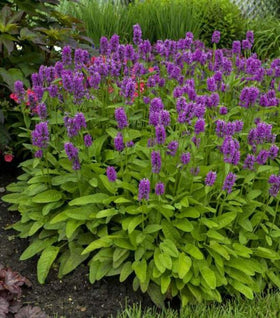
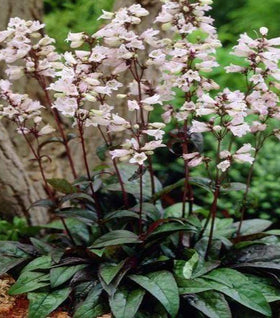
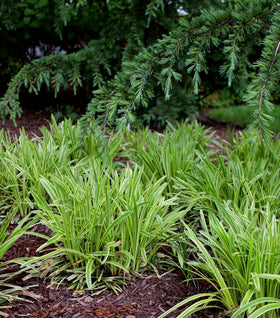
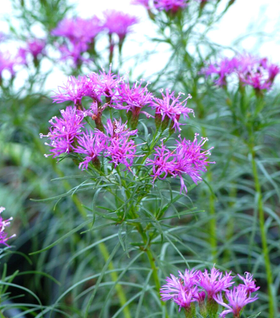


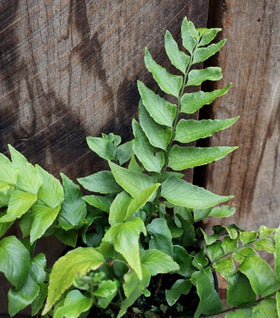
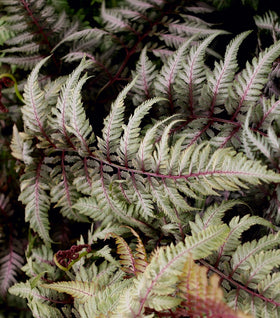



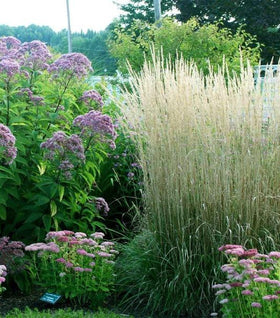
Karl Foerster Feather Reed Grass
As Low As $29.95


Lily of the Valley
As Low As $19.95

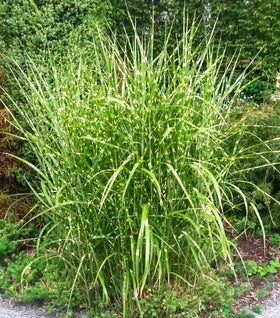


Luminary® Backlight Tall Garden Phlox
$32.95



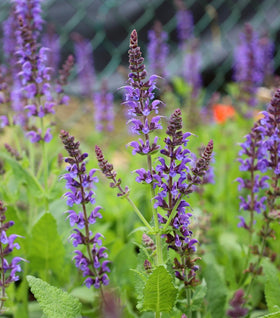


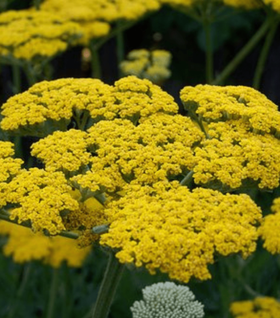

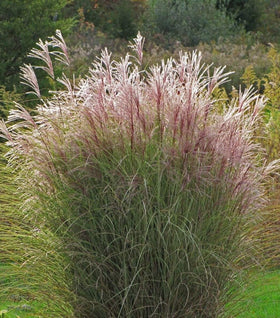


Northwind Switchgrass
As Low As $34.95

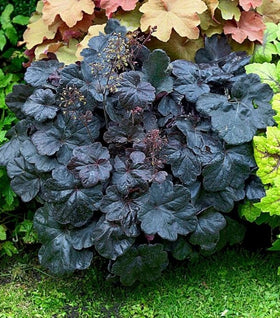


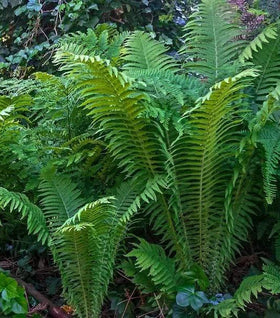
Protect your blooms with deer-smart plant choices.
Deer-resistant perennials help you keep the garden you planned—because they’re built around what deer tend to avoid. Many lists of deer-resistant plants are based on real-world observations from horticulture and landscape professionals, and they repeatedly highlight the same patterns: aromatic foliage, coarse texture, and certain plant compounds make browsing less likely. Think of these plants as “lower risk” choices that improve your odds, especially when deer pressure is moderate, and your beds aren’t the only food source around.
It’s also important to plan with the truth in mind: no plant is completely deer-proof. Extension guidance consistently notes that deer will eat almost anything under high pressure, and a plant that’s ignored in one neighborhood might be tested in another. That’s why the best strategy is a system: use deer-resistant perennials as the backbone, then place more tempting plants closer to the house or in protected courtyards where browsing is less frequent.
Once you plant this way, your whole landscape gets easier. You’ll spend less time replacing shredded blooms, and more time refining design—repeating the best performers, building long flowering sequences, and letting foliage textures carry the bed between bloom waves. The result is still a lush, colorful border—just one that’s better adapted to real-life deer traffic.
Enjoy fragrance, texture, and color that deer often avoid.
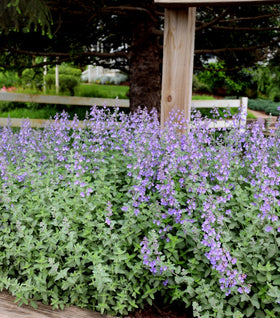
The “look” of deer resistance is often a good-looking garden anyway. Catmint (Nepeta × faassenii) is a classic example: it offers fragrant foliage, a long bloom season (commonly noted from May into September), and it’s listed as deer-tolerant in authoritative plant references. Pair that with other aromatic or textured choices, and you get a planting that reads soft and romantic to humans—while being less appealing to grazers.
Bloom windows can span nearly the whole growing season when you mix plant types. Hellebores are known for flowering in late winter into spring with a long bloom period, while many salvias can bloom for months (commonly June through September for woodland sage types) and may rebloom when cut back after the first flush. Add late-season performers like stonecrop selections for end-of-summer into fall color, and you’ll keep the bed active when deer pressure is often still present.
Mature size and growth rate vary widely in this category—another win for design. You’ll find compact edging candidates, medium clump-formers for the main body of a border, and taller bloomers that anchor the back of a bed. Planning around mature spread keeps plants vigorous and upright, and it helps avoid the crowded, humid conditions that can invite issues like powdery mildew on susceptible perennials.
Place them where deer pressure meets great performance.
Start with the light your site actually gets, then choose plants that thrive there. Many reliable deer-resistant perennials perform best in full sun to part shade (catmint is commonly listed for full sun to part shade), and strong light generally supports better flowering and sturdier growth. For shady areas, you can still build a deer-resistant bed—just use shade-tolerant options and treat “deer-resistant” as a probability play, not a promise.
Spacing is part of deer strategy because it keeps plants healthier and easier to maintain. As a practical rule, many clump-forming perennials are spaced roughly 12–24 inches apart, depending on mature width, while larger clumps may need 24–36 inches; the goal is airflow and room to grow into a dense, resilient planting. Dense, stressed plants are more likely to look ragged after browsing, and they’re harder to clean up quickly.
Use placement to reduce browsing opportunities. Put your most deer-resistant, aromatic, and textured plants along the outer edges of beds as a first line of defense, and reserve more tempting plants for closer-to-home spaces where deer are less comfortable lingering. Extension guidance emphasizes that site conditions and deer behavior matter as much as plant choice, so this “design for pressure” approach is often what turns good plant selection into great results.
Keep care easy and plants strong all season.
Healthy plants recover better, so “easy care” is part of deer resistance. Focus on good drainage, deep watering while plants establish, and avoiding over-fertilizing with high nitrogen (which can push soft growth that’s more attractive to pests and more prone to some diseases). Once established, many deer-resistant staples are quite low-maintenance—especially aromatic and drought-tolerant types that prefer well-drained soil.
Pruning and deadheading are your performance tools. Deadheading can encourage additional blooms on some perennials and keep beds looking tidy through the long season, while selective cutbacks can trigger fresh flowering on certain plants. For example, woodland sage types are known to rebloom after spent stems are cut down, a simple way to keep color going without replanting.
Watch for the common garden realities: powdery mildew can show up on susceptible plants, especially when airflow is poor, so spacing and sunlight are your best prevention. And if you’re gardening with pets, be aware that some “deer-resistant” favorites rely on toxicity to stay off the menu—hellebore and foxglove are both listed as toxic to dogs and cats—so place them thoughtfully where chewing isn’t likely.