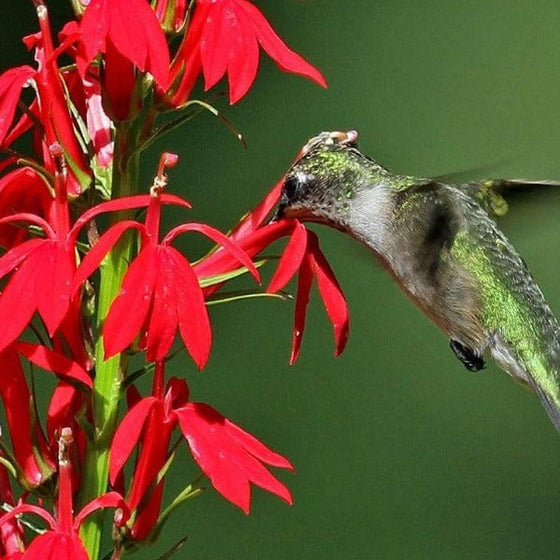
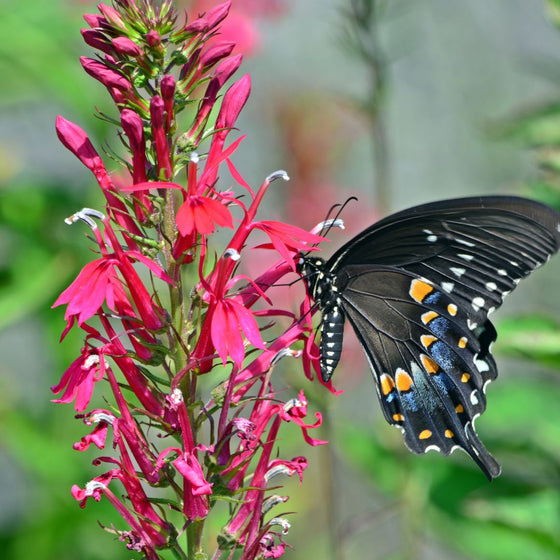


Images Depict Mature Plants
Cardinal Flower
Lobelia cardinalis
Cardinal Flower is one of the best native perennials for gardeners with moisture to spare. If you have a rain garden, pond edge, low spot, or consistently watered border, this plant earns its place with scarlet-red flowers that hummingbirds absolutely notice. The key is moisture: keep it from drying out, let some plants reseed, and you’ll get a much better long-term stand.

20% OFF SITEWIDE SALE
Use Code 'OCTOBER20' At Checkout
📦 Free shipping on orders over $99.
Delay shipping by leaving us a message at Checkout.
Share:



Scarlet-Red Native Flowers for Hummingbirds and Wet Garden Spaces
Cardinal Flower Brings Brilliant Red Color to Moist Gardens
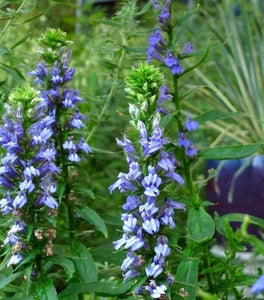
Cardinal Flower is a native perennial loved for its vivid scarlet-red flower spikes that rise above clean green foliage in late summer. The bold color is hard to miss, making Lobelia cardinalis one of the best native perennials for adding vertical color to rain gardens, pond edges, streambanks, wet meadows, and moist woodland borders.
The flowers are tubular and arranged along upright spikes, opening from the bottom upward for a long-lasting display. This strong red color gives Cardinal Flower a dramatic presence in the landscape, especially when planted in groups or repeated through moist areas of the garden.
One of the Best Native Perennials for Hummingbirds
Cardinal Flower is a standout hummingbird plant. Its bright red tubular flowers are perfectly shaped for hummingbirds, and the bloom time coincides with late-season nectar that is especially valuable. Butterflies and other pollinators may also visit the flowers, but hummingbirds are the real show.
Plant Cardinal Flower where it can be seen from a patio, porch, window, or garden path. A drift of red flower spikes near water or in a moist pollinator bed can become one of the most eye-catching wildlife moments in the summer garden.
Perfect for Rain Gardens, Pond Edges, and Wet Soil
Unlike drought-tolerant perennials, Cardinal Flower wants steady moisture. It performs best in rich, medium to wet soil that does not dry out. That makes it an excellent choice for rain gardens, low spots, drainage swales, pond edges, streamside plantings, moist meadows, and consistently watered borders.
Cardinal Flower can tolerate brief flooding and is much happier in wet soil than in dry garden beds. It can also grow in average perennial borders if the soil is kept evenly moist, but it is not a good fit for hot, dry slopes or sandy beds without irrigation.
Full Sun to Part Shade with Moisture as the Key Success Factor
Cardinal Flower grows in full sun to part shade, but moisture determines how well it performs. In cooler northern climates, it can handle more sun when the soil stays consistently moist. In hotter summer regions, part shade or afternoon shade helps protect the plant from stress.
For the best results, plant it in soil enriched with organic matter, and lightly mulch to help retain moisture. Keep mulch away from the crown, especially in winter, and avoid letting the root zone dry out during summer heat.
Deer Resistant, Short-Lived, and Best Allowed to Renew Naturally
Cardinal Flower is generally considered deer-resistant and rabbit-resistant, making it useful in native plantings where browsing is a concern. It is also a clump-forming perennial rather than an aggressive runner, making it well-suited to managed garden beds.
One important buyer expectation is that Cardinal Flower is often somewhat short-lived. Mature flowering stems may decline after bloom, but new basal rosettes and seedlings help the planting continue when conditions are right. For a lasting patch, avoid heavy winter mulch over the crown, keep the soil moist, and allow some seed heads to remain so plants can renew naturally.
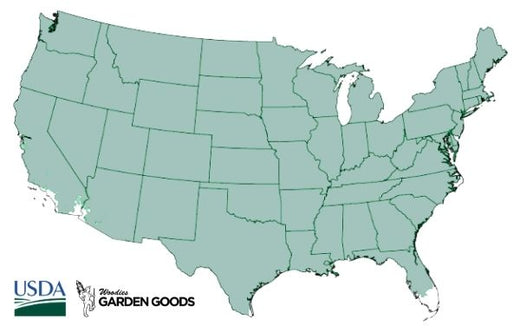
| Hardiness Zone: | 3-9 |
|---|---|
| Mature Height: | 2 to 4 Feet |
| Mature Width: | 1 to 2 Feet |
| Sunlight | Full sun to part shade; afternoon shade helpful in hot climates |
| Soil | Rich, moist to wet soil; organic, humus-rich soils preferred |
| Water | Consistent moisture required; tolerates brief flooding; do not allow soil to dry out |
| Bloom Time / Color | Mid to late summer into early fall; scarlet-red tubular flowers |
| Ornamental Features | Brilliant red flower spikes, upright habit, native wetland character, strong hummingbird appeal |
| Wildlife Value | Attracts hummingbirds, butterflies, bees, and other pollinators |
| Resistance | Generally considered deer resistant and rabbit resistant; wet-soil tolerant |
| Landscape Uses | Rain gardens, pond edges, streambanks, wet meadows, native gardens, hummingbird gardens, pollinator gardens, moist woodland edges |
How to Care for Cardinal Flower
Before you buy a Cardinal Flower Plant, make sure to read about the recommended care instructions to keep this plant healthy and thriving.

How should I plant Cardinal Flower?
Plant Cardinal Flower in full sun to part shade with rich, moist to wet soil. Dig a hole about twice as wide as the root ball and just as deep as the container. Set the crown level with the surrounding soil, backfill with loosened native soil, and water thoroughly after planting. Choose a site where the soil stays consistently moist, such as a rain garden, pond edge, streamside bed, moist border, or low area that receives regular water. Space plants about 18 to 24 inches apart for a natural-looking group or drift.

How often should I water Cardinal Flower after planting?
Water Cardinal Flower deeply after planting, then keep the soil consistently moist while the roots establish. During the first growing season, water whenever the top inch of soil begins to dry, especially during hot or windy weather. Established Cardinal Flower still needs steady moisture. This is not a drought-tolerant perennial. If planted in a regular garden bed instead of a naturally wet site, plan to water during dry spells so the soil never dries out completely.
-v1746235788585.png?90x89)
When should I fertilize Cardinal Flower?
Fertilize Cardinal Flower lightly in early spring if needed. A thin layer of compost or leaf mold is usually enough to improve soil organic matter and support strong growth. Avoid heavy fertilizing, especially with high-nitrogen products. Consistent moisture and rich organic soil matter more than frequent feeding. In a rain garden or moist native planting, Cardinal Flower often performs well with compost and mulch rather than regular fertilizer.

When and how should I prune Cardinal Flower?
Remove spent flower spikes after bloom for a cleaner look, but leave some seed heads if you want Cardinal Flower to reseed naturally. This can help maintain the planting because the plant is often somewhat short-lived. In late winter or early spring, carefully remove old stems before new growth emerges. Do not bury the small basal rosettes under heavy mulch, and do not mow Cardinal Flower like a groundcover. Maintain it with selective hand pruning to protect the crown and new offsets.