
Best-Selling Plants for Proven Beauty & Lasting Garden Appeal
Seasonal customer favorites that deliver quick curb appeal and long-term structure
Best Sellers is the collection for when you don’t want to overthink it—you want plants that are working right now for real gardens. It changes with the seasons because what people buy most shifts with the weather, planting windows, and the projects on everyone’s mind, but the common thread stays the same: these are customer favorites that consistently deliver strong landscape results. You’ll typically see a mix that can include everything from privacy-minded trees to flowering shrubs and perennials, along with other timely categories when they’re in peak demand—so you can build a cart around what’s performing today, not what was popular months ago.
Here’s how to shop a “current best sellers” list like a pro: choose by outcome (privacy, evergreen structure, seasonal color, low-maintenance fill), then validate the mature size, light needs, spacing, and pruning timing on the individual product page before you plant. That’s not just a nice-to-have—it’s what keeps plants from outgrowing their spot and turning into a constant pruning problem. And because this list can include many different plant types, it’s smart to treat toxicity and cautions as plant-specific too—especially in pet households—by checking a trusted database for the exact plant you’re considering.
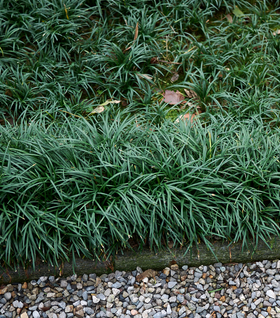

Golden Euonymus
As Low As $19.95
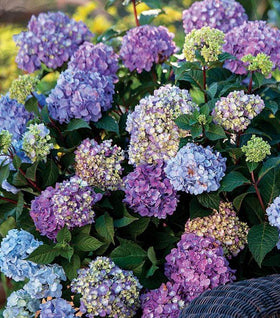
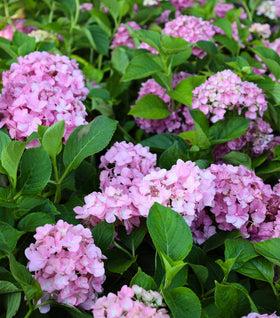
Endless Summer® BloomStruck® Hydrangea
As Low As $44.95
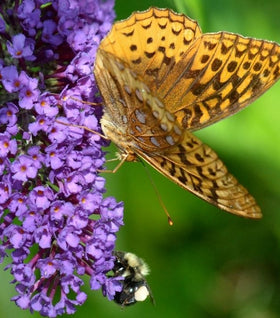
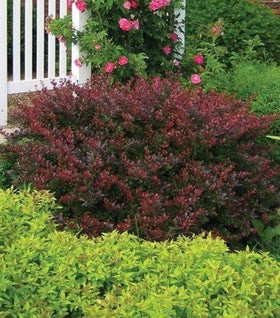
Black Knight Butterfly Bush
$69.95

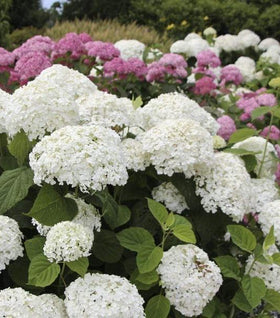
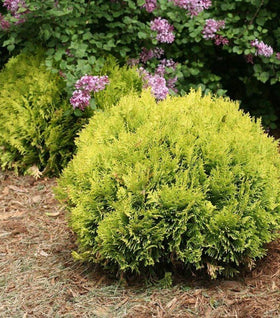
Anna's Magic Ball® Arborvitae
As Low As $60.95

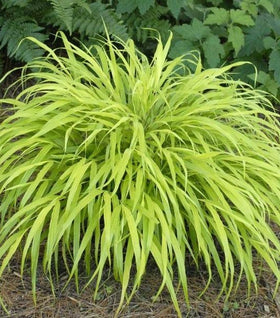
All-Gold Japanese Forest Grass
As Low As $56.95
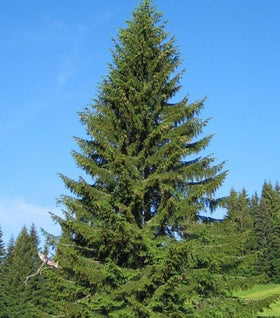
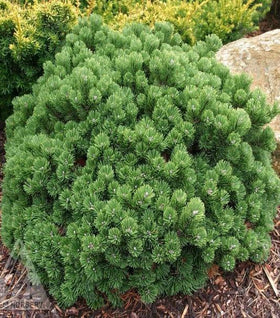
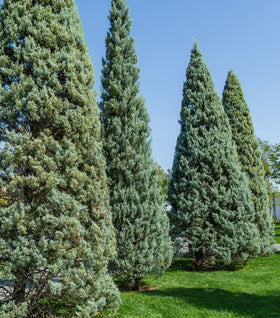
Norway Spruce
As Low As $29.97

Tri-colored Dappled Willow
As Low As $36.95


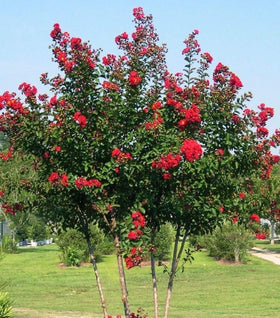
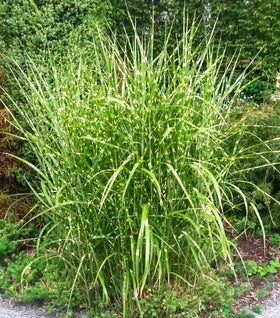


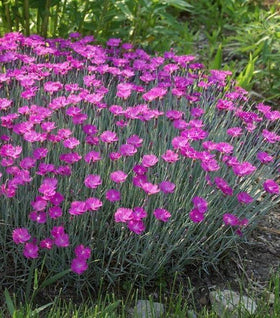
Firewitch Dianthus
As Low As $19.95




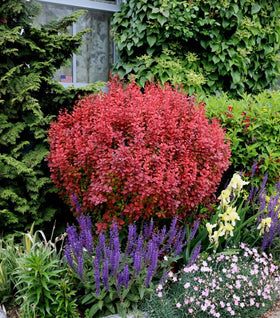
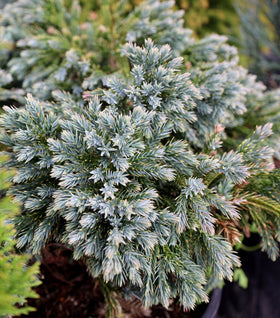
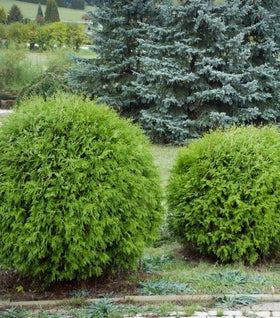
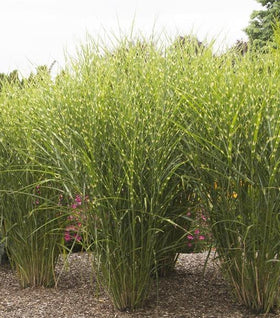

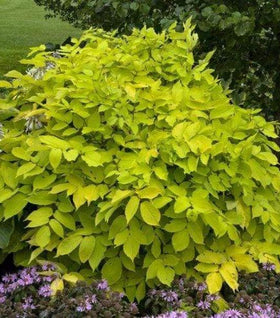
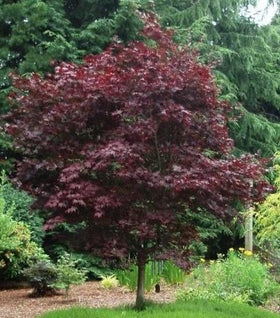
Emperor One Japanese Maple
As Low As $89.95
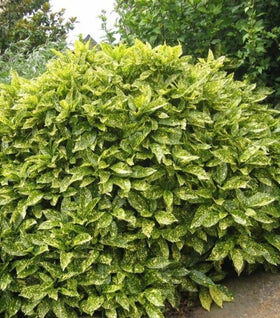
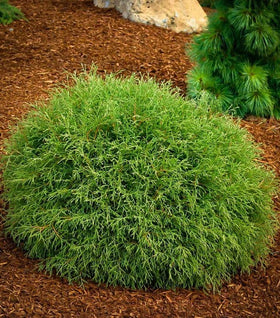
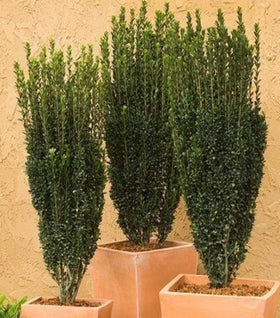
Mr. Bowling Ball Arborvitae
As Low As $32.95
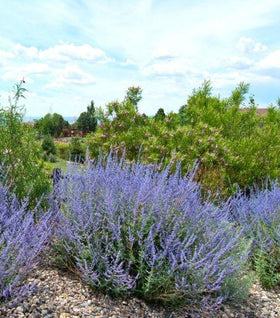
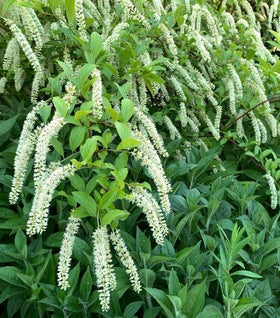
Today’s top performers for instant momentum.
This collection changes quite often—because it reflects what’s selling best right now. That matters for shoppers: seasonal demand often tracks planting windows (spring and fall are prime for many woody plants, while warm-season color peaks later), and the “best seller” signal helps you pick options that other gardeners are actively succeeding with in the current moment. The result is a faster path from browsing to planting, especially when you’re trying to solve a real landscape job instead of collecting random plants.
Because Best Sellers can include multiple plant categories, it’s a great place to build a layered plan without bouncing around the site: start with your “bones” (structure plants that hold a bed together), then add the seasonal spark (flowering or foliage interest plants that carry the show). That layered approach is how you get landscapes that look intentional in every month—structure first, seasonal color second—rather than a yard that only looks good for one bloom window.
Best Sellers also supports different project sizes. For a quick refresh, you can target one pain point (like a bare foundation line or a thin fence edge) and choose a plant type that matches the exposure. For a bigger redesign, you can repeat a few proven plant forms across the yard—repetition is one of the simplest ways to make a landscape feel “designed,” and it tends to be easier to maintain because you’re not juggling dozens of conflicting care routines.
The most important mindset: “best selling” doesn’t mean “one-size-fits-all.” These are popular choices, but your success still comes from matching plant needs to your site. That’s why the next steps—checking sun/shade, soil drainage, mature size, and spacing—turn popularity into performance, and reduce the odds you’ll need drastic corrective pruning later.
A season-smart mix with clear expectations.
Because the collection rotates, the bloom window is best understood as seasonally broad: at any given time, Best Sellers may include plants that flower in spring, summer, fall, or even cooler seasons—alongside evergreen options that are chosen for year-round foliage rather than bloom. That flexibility is the point: it mirrors what gardeners are planting now, which tends to align with what looks best and establishes most reliably in the current season.
Mature size and growth rate also vary widely in a best-sellers mix, which is why “right plant, right place” is the rule that makes everything easier. A compact plant that matures at a tidy border scale behaves differently from a fast-growing screen plant meant to create height and density. Planning around mature height and spread is the cleanest way to avoid crowding, protect airflow, and keep maintenance predictable over the life of the planting.
Light needs will span the spectrum as well-some top sellers are full-sun workhorses, others thrive in part shade or bright shade, and many tolerate a range if soil moisture is managed well. The practical takeaway is to shop the list with your exposure in mind first: confirm your site’s sun pattern (especially afternoon sun), then choose plants whose light preferences match it so you’re not fighting stress, scorch, or weak growth later.
Plant with purpose and spacing that fits.
The fastest way to get best-seller results is to plant for the job: use larger plants where you need height and presence, mid-sized plants for mass and boundary definition, and lower growers for edges and fill. This is especially helpful when the list shifts seasonally—you can stay focused on function (screening, structure, color, texture) while swapping the exact plant choice to match what’s trending and planting-ready now.
Spacing should be driven by mature width and the look you want at maturity. If you want a tight hedge effect, you’ll typically space closer (so plants knit together), but if you want healthier, longer-lived individual shrubs, you’ll give them room to hold their natural form with better airflow. Extension guidance consistently points back to this principle: selecting and placing plants based on mature size reduces the need for constant pruning and prevents a landscape from becoming a maintenance treadmill.
Sun/shade placement should be intentional, not hopeful. Full-sun plants generally need several hours of direct light to stay dense and bloom well, while shade performers often prefer filtered light or morning sun with afternoon protection. Because this collection can include both ends of that spectrum at once, your best practice is simple: confirm the plant’s light requirement, then place it where it’s most likely to thrive—not just where there’s an empty spot.
For containers, treat “best sellers” as an inspiration list, then sanity-check the plant’s mature size and root needs. Many plants can start in large containers, but long-term success depends on pot size, watering consistency, and whether the plant is truly suited to container life. When in doubt, choose naturally compact growers for pots and reserve larger, faster-growing plants for in-ground planting, where roots can expand, and soil moisture is easier to manage.
Simple care that keeps the win going.
Because the collection is mixed, the care approach is best framed as a universal foundation: plant correctly, prioritize drainage, water consistently through establishment, and then adjust care based on the plant’s category. Pruning is a perfect example—timing depends on flowering habit and growth behavior, and when you’re unsure, many extension resources recommend early spring pruning as the safest default (with the understanding you might sacrifice one season of flowers on spring bloomers).
When pruning is needed, keep it measured. General pruning guidance, such as the “one-third rule,” helps prevent stress and keeps plants from responding with weak, frantic regrowth. This is especially important in a best-sellers mix where some plants may be vigorous and others naturally slow-growing—balanced pruning supports long-term structure without turning maintenance into a constant cycle.