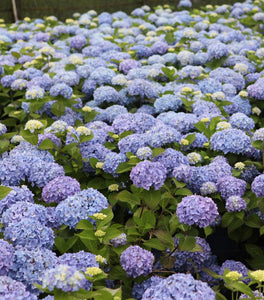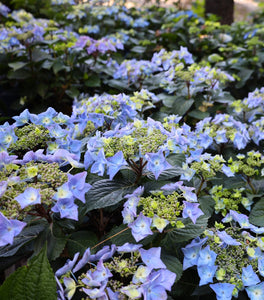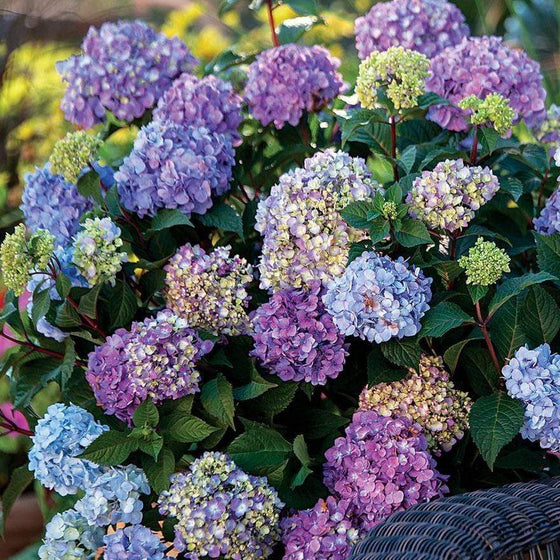
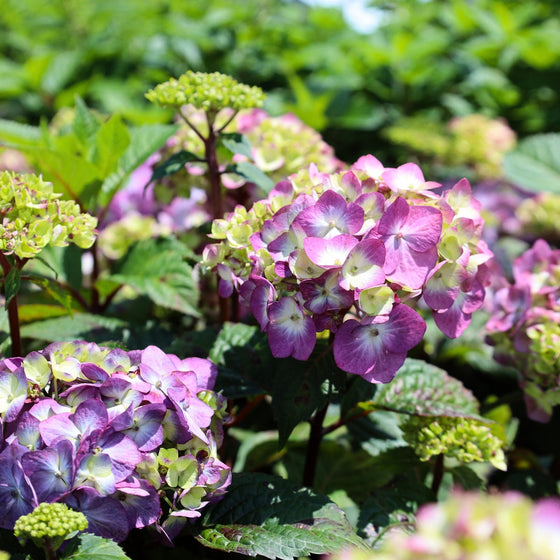
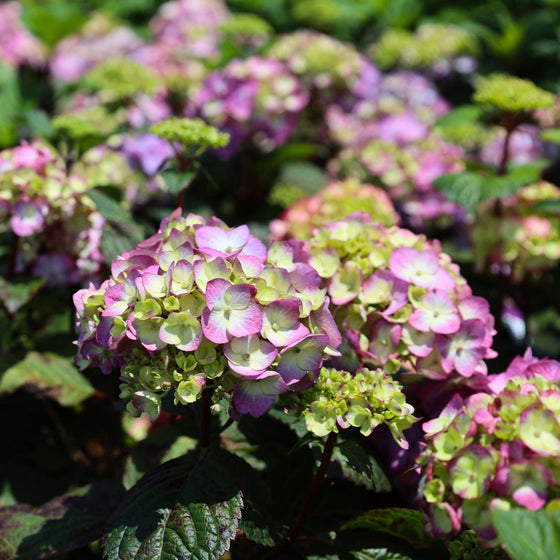
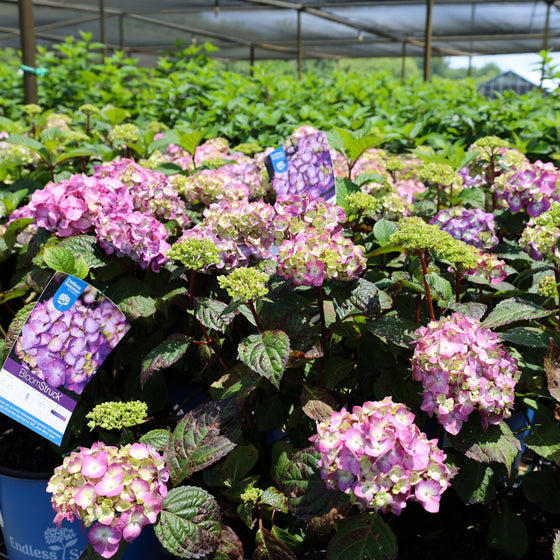


Images Depict Mature Plants
Endless Summer® BloomStruck® Hydrangea
Hydrangea macrophylla 'P11HM-11' PP25566, CPBR#5146
BloomStruck® is the hydrangea I recommend when you want that classic mophead look—but you also want a longer season and fewer “will it bloom?” worries. It reblooms, it fits real beds without taking over, and the color story is fun: bluer in acidic soil, pinker in alkaline, and often a pretty purple in between. Give it morning sun, afternoon shade, and steady moisture, and it’ll keep bringing fresh blooms back through the season.

15% OFF SITEWIDE SALE
Use Code 'PRIMETIME15' At Checkout
📦 Free shipping on orders over $99.
Delay shipping by leaving us a message at Checkout.
Share:

BloomStruck® Reblooming Hydrangea for Long-Season Mophead Color and Reliable Repeat Blooms
Reblooming Mophead Flowers That Keep Color Coming Back
BloomStruck® is made for gardeners who want hydrangea flowers for more than a few weeks. As part of the Endless Summer® family, it’s prized for repeat blooming—meaning you can enjoy fresh mophead blooms across the season instead of a single, short peak. The flowers are full and rounded, with a bold “classic hydrangea” look that instantly upgrades foundation beds, mixed borders, and bright-shade corners.
The secret to that long season is bloom versatility. BloomStruck® sets flowers on both old and new wood, helping it keep blooming even if winter nips stems or a pruning mistake occurs. That makes it a confidence-builder hydrangea: you still give it good light and steady moisture, but you don’t have to be perfect to get flowers. If you’ve ever loved hydrangeas but worried about bloom reliability, this one is a smart, forgiving upgrade.
Blue, Pink, Or Purple Blooms With A Color-Shift Story
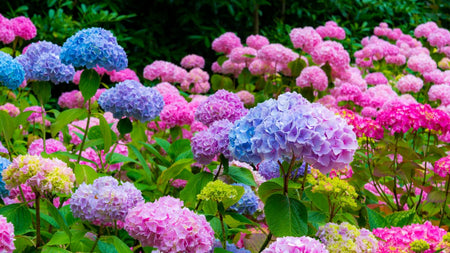
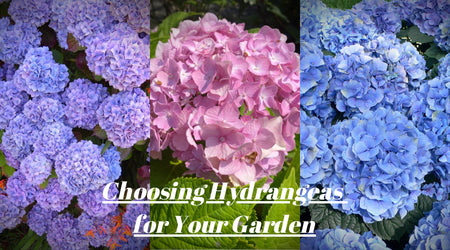
BloomStruck® brings a fun color dimension to the garden. Like many bigleaf hydrangeas, bloom color can shift with soil chemistry—more acidic soils lean bluer, more alkaline soils lean pinker, and in-between conditions often produce purplish tones. That means you can enjoy a color that reflects your site, or you can work toward the shade you want over time with consistent soil conditions.
What matters most is plant comfort: rich soil, even moisture, and protection from harsh afternoon sun. When the shrub isn’t stressed, blooms are fuller, color is stronger, and rebloom cycles stay steadier. This hydrangea rewards good basics—mulch, deep watering, and a spot that gets morning sun with afternoon shade—by putting on repeat performances throughout summer.
A Compact, Landscape-Friendly Shrub That Fits Real Spaces
BloomStruck® is a great choice when you want the hydrangea look without an oversized shrub. It typically matures around 3 to 4 feet tall and 3 to 4 feet wide, making it ideal for foundation plantings, entry beds, and mixed borders where you need flowers and structure, not a plant that eats the whole bed. That compact size also makes it easier to protect in winter in colder zones and simpler to manage with minimal pruning.
Because it stays more contained, BloomStruck® is also excellent for repeating in a row to create a low-growing hedge effect. In bright shade or morning sun, it creates a lush, leafy backdrop, topped with mophead blooms that keep coming back. If you want a hydrangea that looks “designer” but still fits an average suburban bed, this is one of the easiest ways to get that polished result.
Easy Pruning And Care That Supports Repeat Blooming
One of the best features of BloomStruck® is that it doesn’t require complicated pruning to be successful. Because it blooms on both old and new wood, you can focus on simple cleanup rather than heavy cutting. In early spring, remove any clearly dead stems and tidy winter damage, then let the plant do its thing. Minimal pruning supports more stems, and more stems usually mean more blooms.
If you want to shape or slightly reduce the size, do it right after a major flush of flowers, and keep cuts light. Consistent moisture is essential for repeat bloom—hydrangeas don’t like to swing from soaked to bone dry—so mulch and deep watering matter. Give BloomStruck® the basics, and it will keep sending up new blooms, helping your landscape stay colorful for far longer than traditional once-blooming hydrangeas.
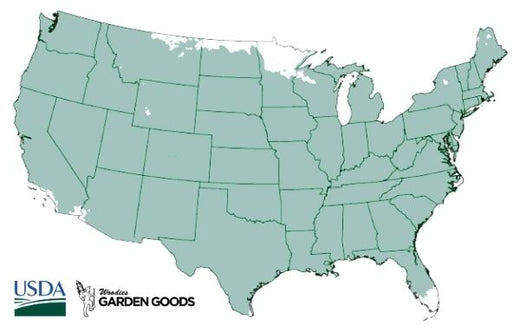
| Hardiness Zone: | 4-9 |
|---|---|
| Mature Height: | 3 to 4 feet |
| Mature Width: | 3 to 4 feet |
| Sunlight: | Morning sun to partial shade (afternoon shade best) |
| Bloom Time / Color: | Summer into fall; blue in acidic soil, pink in alkaline soil, purple in between |
| Pruning Season: | Prune in late winter or early spring, flowers on old and new wood |
| Soil Condition: | Rich, well-drained soil with consistent moisture |
| Water Requirements: | Medium-high; water regularly, especially first year and in heat |
| Wildlife Value: | Can attract pollinators; dense shrub adds garden habitat |
| Resistance: | Not reliably deer resistant; improved bloom reliability (old + new wood); not drought tolerant |
| Landscape Uses: | Foundation planting, mixed borders, part-shade beds, low hedge, containers, cut flowers |
How to Care for Endless Summer® BloomStruck® Hydrangea
Be sure to read our planting instructions to ensure a healthy and happy Endless Summer Bloomstruck Hydrangea plant for years to come!

How should I plant BloomStruck® Reblooming Hydrangea?
Plant BloomStruck® in a location with morning sun and afternoon shade, or bright filtered light. Dig a hole about twice as wide as the root ball and set the plant so the top of the root ball sits level with the surrounding soil. Backfill with native soil amended with compost, then water deeply to settle the roots and remove air pockets. Finish with 2–3 inches of mulch to keep roots cool and soil evenly moist, keeping mulch a few inches away from the stems. Hydrangeas rebloom best when stress is low, so choose a spot that’s easy to water during heat. If you’re planting multiples, give each shrub enough space to mature without crowding.

How often should I water BloomStruck® Reblooming Hydrangea after planting?
Water deeply right after planting, then keep the soil consistently moist for the first several weeks. A good baseline is 1 to 2 deep waterings per week, adjusted for heat, wind, and drainage. Hydrangeas prefer steady moisture, so avoid letting the root zone dry completely between waterings. After the first season, continue watering during dry spells—especially when buds form, and blooms develop. Water at the base to keep foliage drier and reduce leaf issues. Mulch makes a big difference for reblooming hydrangeas by stabilizing soil moisture and supporting repeat bloom cycles.

When should I fertilize BloomStruck® Reblooming Hydrangea?
Fertilize in spring as new growth begins using a slow-release shrub fertilizer or one labeled for hydrangeas. Apply it over the root zone (not against the stems) and water afterward so nutrients move into the soil. Compost can also help improve soil structure and moisture retention over time. If you want to support strong summer performance, a light second feeding in early summer can help, but avoid heavy late-season fertilizing. Pushing lots of late growth can reduce cold hardiness and may interfere with bud and bloom timing. Consistent, moderate feeding supports better foliage and more reliable flowering.

When and how should I prune BloomStruck® Reblooming Hydrangea?
Prune BloomStruck® lightly in early spring by removing any clearly dead stems and tidying winter damage. Because it blooms on both old wood and new wood, heavy pruning isn’t required and can reduce the number of flowering stems. Focus on cleanup and gentle shaping rather than hard cutbacks. If you need to shape or slightly reduce size, do it right after a major flush of flowers and keep cuts light. Avoid aggressive pruning in late summer or fall, which can reduce future bud development and stress the plant going into winter. Minimal pruning plus consistent moisture is the simplest path to repeat blooms.