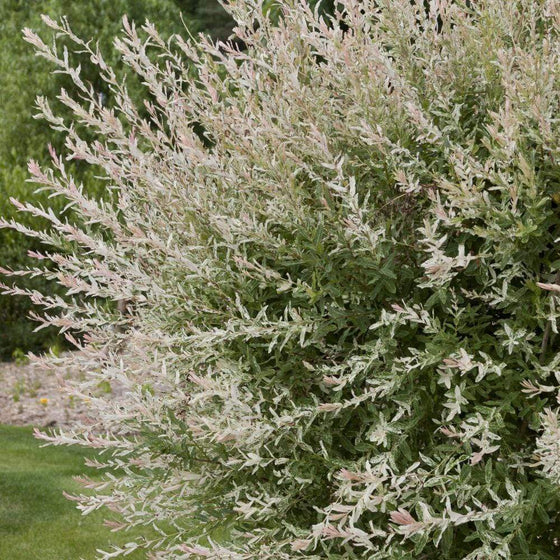


Images Depict Mature Plants
Tri-colored Dappled Willow
Salix integra 'Hakuro Nishiki'
Tri-Color Dappled Willow is the shrub I use when someone wants fast results and something that actually looks different—pink spring growth, creamy-white variegation, and a soft, arching habit that turns into a gorgeous hedge with a little trimming. Treat it like a “prune-for-color” plant, keep it evenly moist while it establishes, and it’ll earn its keep as a bright, lively centerpiece or a quick privacy screen.

20% OFF SITEWIDE SALE
Use Code 'OCTOBER20' At Checkout
📦 Free shipping on orders over $99.
Delay shipping by leaving us a message at Checkout.
Share:


Tri-Color Dappled Willow For Pink Variegation, Fast Growth, And Easy Hedges
Pink, white, and green foliage that steals the show in spring
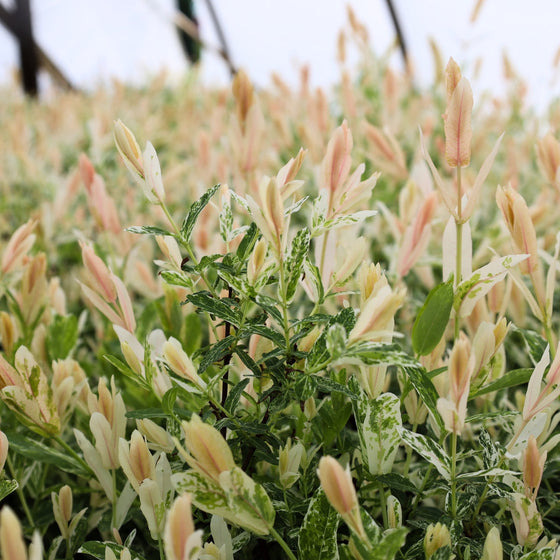
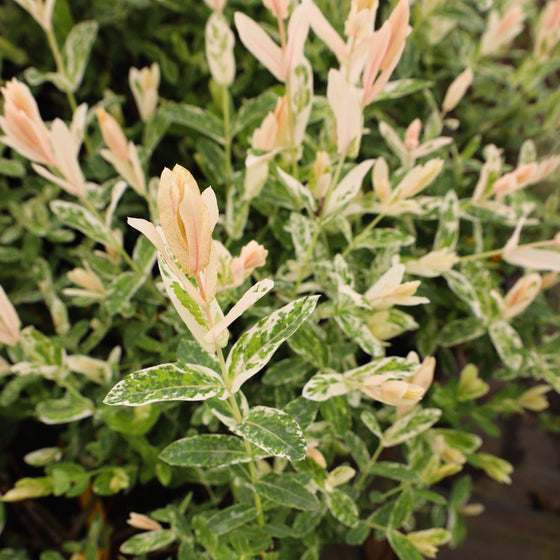
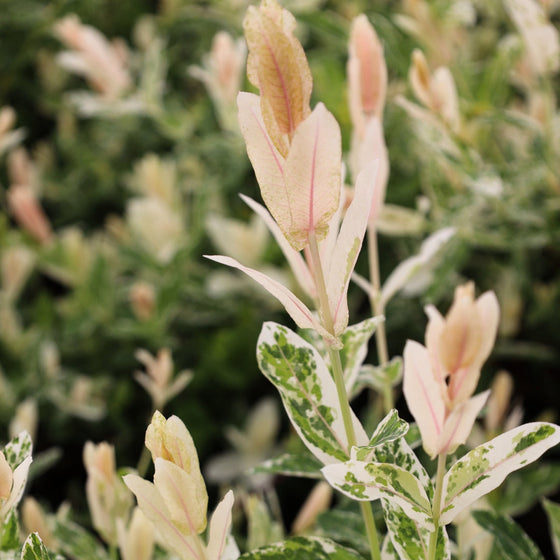
Tri-Color Dappled Willow is one of the quickest ways to add “wow” without relying on flowers. In spring, new leaves emerge with soft pink tones, then mature into a lively mix of creamy white and green. That fresh growth looks almost airbrushed, and it brightens the landscape the way a flowering shrub would, except the color comes from the foliage, so it reads bold and modern in any garden style.
This is an ideal shrub for high-visibility planting: near an entry, along a walkway, or as a focal point at the corner of a foundation bed. The foliage also plays beautifully with dark evergreens and deep green shrubs, because the variegation pops even from a distance. If your landscape needs contrast and movement early in the season, this willow delivers fast.
Fast-growing structure that makes a hedge feel “finished” sooner
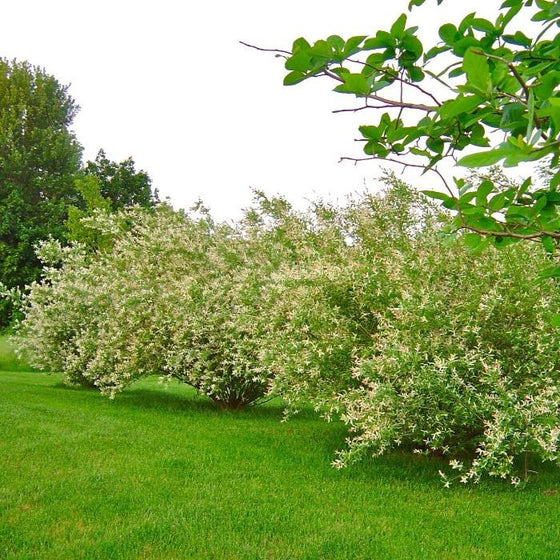
Dappled willow grows quickly and branches readily, which makes it an excellent hedge and screening shrub when you want results in a reasonable timeframe. The natural habit is arching and fountain-like, and with regular trimming, it becomes denser, more of a thick, colorful living wall than a see-through shrub line. That’s perfect for property edges, backyard zones, and any spot where you want seasonal privacy and texture.
As a single specimen, it becomes a soft, rounded anchor plant that adds movement in the breeze. As a row, it becomes a vibrant hedge with a lighter, brighter feel than typical evergreen screens. The key is choosing your goal up front, specimen vs. hedge, because that determines spacing and pruning intensity.
Moist-soil friendly performance for rain gardens and low spots
Tri-Color Dappled Willow naturally tolerates moisture, making it a strong choice for sites that stay consistently damp. Use it near downspouts (with drainage), along stream-bank-style plantings, and at rain-garden edges, where many shrubs struggle. It prefers moist, well-drained soil, but it’s far more forgiving of wet conditions than most “color shrubs,” which is part of its value.
Full sun produces the best density and strongest foliage display, while part shade is workable, especially in hot climates where afternoon shade can reduce stress. If your yard includes a low spot or a moisture-retentive bed that you want to turn into a feature, this shrub can be the bright, fast-growing solution that makes the whole area feel intentional.
Pruning is the secret to brighter color and a compact, dense shape
With Tri-Color Dappled Willow, pruning isn’t just “maintenance”, it’s the color strategy. The brightest pink and cleanest variegation show on new growth, so cutting back encourages the plant to push fresh, colorful stems. A hard prune in late winter to early spring creates the boldest spring show, and light shaping after the first flush keeps the shrub dense and prevents a leggy look.
If you prefer a taller, looser shrub, you can prune less, but expect more green and a more open habit as the season progresses. Most gardeners love this willow most when it’s treated like a “cutback shrub” that stays compact, fresh, and full. Do that, and you get a dependable burst of color and structure year after year.
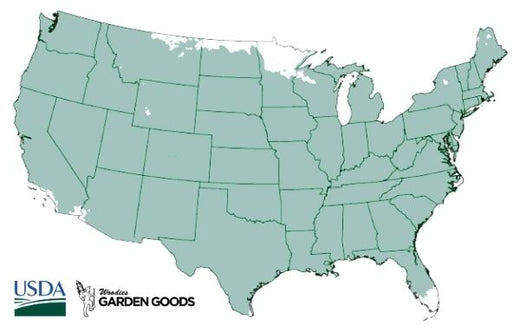
| Hardiness Zone: | 4-9 |
|---|---|
| Mature Height: | 5 to 6 Feet |
| Mature width: | 5 to 6 Feet |
| Sunlight: | Full sun to part shade |
| Bloom Time / Color: | Early spring; small catkins (inconspicuous) |
| Soil Condition: | Moist, well-drained; tolerant of wetter soils |
| Water Requirements: | Moist, well-drained; tolerant of wetter soils |
| Wildlife Value: | Cover for birds; early-season catkins can support insects |
| Resistance (deer/disease/drought/etc.): | Fast, resilient grower; not reliably deer resistant; drought tolerance improves once established |
| Landscape Uses: | Hedges/screens, specimen shrub, rain gardens, low spots, mixed borders, containers (with pruning) |
How to Care for Tri-colored Dappled Willow
Once you buy a Tri-Colored Dappled Willow shrub, make sure to read about the care instructions that are recommended to keep this plant healthy and thriving.

How should I plant Tri-Color Dappled Willow?
Plant Tri-Color Dappled Willow in full sun to part shade in soil that stays consistently moist and drains reasonably well. Dig a hole 2–3 times wider than the root ball, set the shrub so the top of the root ball is level with the surrounding soil, then backfill and water deeply to settle. Add a 2–3-inch mulch ring around the root zone, keeping the mulch a few inches away from the stems. For hedges, stake the line and pre-measure spacing before digging so the row looks straight and intentional. Choose a site that avoids extreme reflected heat from pavement or south-facing walls, especially in warmer climates, so the foliage stays cleaner through summer.

How often should I water Tri-Color Dappled Willow after planting?
Water deeply right after planting, then keep the root zone evenly moist through the first growing season. A deep soak 1–2 times per week is a good baseline, increasing during heat or in sandy soils. Willows perform best when they don’t dry out repeatedly, so steady moisture is the fastest path to quick fill and dense growth. After establishment, the plant is more forgiving, but it still looks best with supplemental water during prolonged drought. Mulch helps reduce moisture swings, supports stronger growth, and keeps foliage looking fresher through summer stress.

When should I fertilize Tri-Color Dappled Willow?
Fertilize in early spring as new growth begins using a balanced slow-release shrub fertilizer, or top-dress with compost to support vigorous, healthy regrowth. Because this shrub is often pruned to encourage fresh color, moderate feeding can help it rebound quickly with dense new shoots. Avoid heavy late-season fertilizing, which can push soft growth at the wrong time. If the shrub is growing strongly and leaf color looks good, keep fertility moderate and focus on consistent watering and pruning for best performance.

When and how should I prune Tri-Color Dappled Willow?
Prune in late winter to early spring while the shrub is dormant to encourage the brightest new growth and a denser habit. For the strongest color and compact form, cut back hard (often by one-third to one-half), then remove any weak or crossing stems to keep airflow and structure clean. You can also do a light shaping trim after the first flush of growth to keep the shrub from getting leggy and to maintain hedge lines. Regular pruning keeps Tri-Color Dappled Willow looking lush and colorful rather than tall, loose, and mostly green.