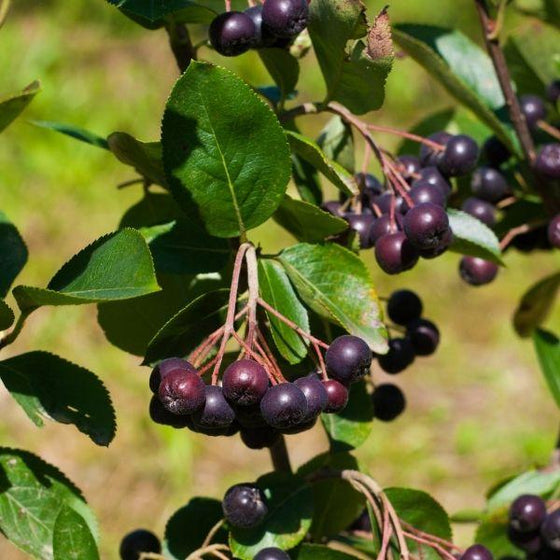
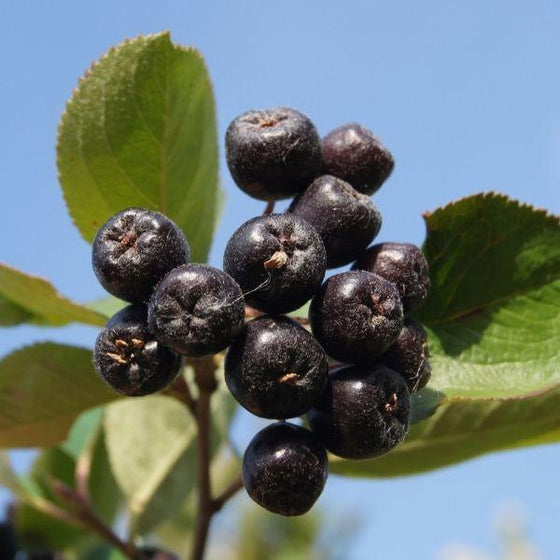


Images Depict Mature Plants
Autumn Magic Black Chokeberry
Aronia melanocarpa 'Autumn Magic'
Autumn Magic is one of my go-to shrubs when someone wants big seasonal impact without a high-maintenance routine—white spring blooms, glossy summer foliage, black berries that birds appreciate, and fall color that absolutely lights up a landscape. Plant it in full sun for the strongest show, give it a clean mulch ring, and do a simple late-winter thinning prune to keep it fresh and full for years.

20% Off Sitewide Sale!
Use Code 'ENDOFSEASON20' At Checkout
📦 Free shipping on orders over $99.
Delay shipping by leaving us a message at Checkout.
Share:


Deer-Resistant Native Shrub With Berries For Birds And Fire-Red Fall Color
Four-Season Color That Makes Your Landscape Look “Finished”
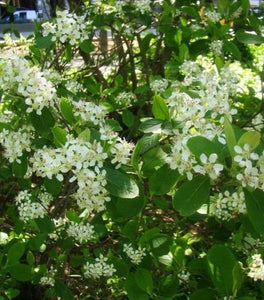
Autumn Magic Black Chokeberry is the kind of shrub that quietly upgrades everything around it. In spring, clusters of clean white flowers brighten the branch tips, followed by glossy green foliage that stays fresh-looking through summer. When autumn arrives, the show starts, leaves shift into rich red and purple tones that read bold from the street and dramatic up close. It’s an easy way to add that “designer” finish without babying a fussy plant.
The berries are part of the magic too: dark, shiny fruit forms after bloom and hangs into late season, adding texture and seasonal interest even after other shrubs have checked out. You get color, contrast, and structure in one plant, perfect for homeowners who want a beautiful landscape that still feels natural and intentional.
A Deer-Resistant Hedge Shrub That Also Works As A Standalone Accent
If deer browsing is a constant battle, Autumn Magic is a strong ally. While nothing is completely deer-proof, this chokeberry is widely considered deer resistant, making it a smart choice for foundation beds, borders, and mixed shrub plantings where tender favorites tend to get nipped. The foliage texture and overall toughness help it hold its own, especially once established.
Use it as a single anchor shrub, plant it in repeating drifts for a clean, modern look, or line it up for a dense, wildlife-friendly hedge. Because it can sucker lightly over time, it naturally fills in and looks fuller year after year, great for screening, property lines, and “soft fencing” where you want privacy without a hard wall.
Tough, Adaptable, And Made For Real-World Soils
Autumn Magic is known for handling conditions that trip up more delicate shrubs. It grows best in full sun for the strongest flowering, berry set, and fall color, but it can also handle part shade (especially in hotter climates). It’s adaptable to a wide range of soils, including areas that stay consistently moist, which makes it a practical pick for rain-garden edges and low spots that other shrubs dislike.
Once established, it’s also a low-maintenance performer—deep watering during dry stretches keeps it looking its best, but it doesn’t require constant attention. If you want a shrub that looks polished in a landscaped bed yet still fits naturally into a native planting, this one checks both boxes.
Plant It Once, Prune Simply, And Enjoy The Payoff For Years
This is a shrub that rewards smart placement and light structure, not complicated routines. Give it room to reach its natural shape, keep competing weeds and turf pulled back from the base, and mulch lightly to moderate soil moisture. A little early training (removing a weak stem or two) helps it develop an attractive framework, but the plant doesn’t demand perfection to look good.
Pruning is straightforward: refresh it in late winter by thinning a few older stems at the base to keep new growth coming and maintain an open, healthy form. That simple approach supports stronger flowering, tidier growth, and better airflow. The result is a shrub that stays attractive, reliable, and easy to live with, exactly what most landscapes need.
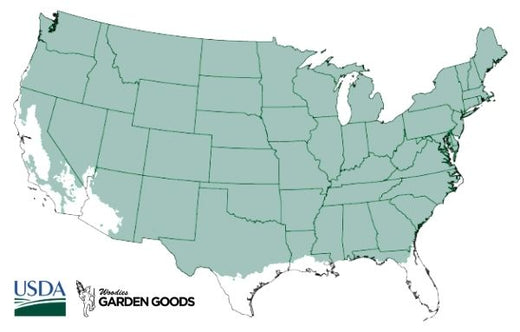
| Hardiness Zone: | 3-8 |
|---|---|
| Mature Height: | 4 to 6 feet |
| Mature Width: | 4 to 6 feet |
| Sunlight: | Full sun to part shade (best flowering/fall color in full sun) |
| Bloom Time / Color: | Spring (often May); white flowers |
| Soil Condition: | Adaptable; prefers well-drained to consistently moist soils |
| Water Requirement: | Moderate; water regularly first year, then as needed during dry spells |
| Wildlife Value: | Flowers support pollinators; berries feed birds and wildlife |
| Resistance (deer/disease/drought/etc.): | Deer resistant; adaptable and hardy; tolerates a range of conditions once established |
| Landscape Uses: | Hedge/screen, foundation plantings, massing, rain-garden edges, native borders, seasonal color displays |
How to Care for Autumn Magic Black Chokeberry
Be sure to read our planting instructions to ensure healthy and happy Autumn Magic Black Chokeberry Shrubs for years to come!

How should I plant Autumn Magic Black Chokeberry?
Plant Autumn Magic Black Chokeberry in full sun to part shade in a spot where it has room to mature into a naturally full shrub. Dig a hole about twice as wide as the root ball, set the plant so the top of the root ball is level with the surrounding soil, backfill, and water deeply to settle the roots in. Finish by creating a weed-free circle around the base and adding a light layer of mulch to hold moisture (keep mulch off the stems). For hedges, lay out your spacing before planting so the line stays straight, then water consistently through the first growing season to help the shrub establish quickly.

How often should I water Autumn Magic Black Chokeberry after planting?
Water deeply right after planting, then keep the soil evenly moist during the first growing season. In most gardens, that means deep watering 1–2 times per week when rainfall is light, and increasing frequency during heat, wind, or sandy soils so the root zone doesn’t dry out. After the first year, the shrub becomes much more forgiving, but it still looks best with occasional deep soakings during extended dry spells. Consistent moisture is especially helpful during hot summers to keep foliage glossy and reduce stress that can lead to early leaf drop.

When should I fertilize Autumn Magic Black Chokeberry?
Fertilize in early spring as new growth begins, using a balanced, slow-release shrub fertilizer or a thin top dressing of compost. Keep it moderate—this plant doesn’t need heavy feeding, and excessive nitrogen can push overly soft growth at the expense of flowering and overall balance. If your soil is reasonably fertile, one spring feeding is typically enough. If growth seems weak or pale, a second light feeding in late spring can help, but avoid late-summer fertilizing so the shrub can harden off properly heading into winter.

When and how should I prune Autumn Magic Black Chokeberry?
Prune in late winter or very early spring before new growth starts. The simplest, most effective method is renewal pruning: remove a few of the oldest stems at the base to encourage fresh new shoots and keep the shrub looking full but not crowded. You can also lightly shape after flowering if needed, but avoid heavy pruning in late summer or fall. Keeping the center slightly open improves airflow and supports healthier foliage, while selective thinning maintains the plant's naturally attractive form without turning it into a tight, high-maintenance hedge.