

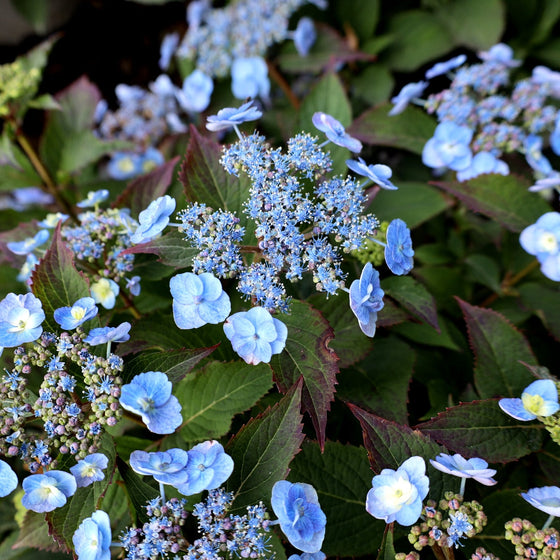
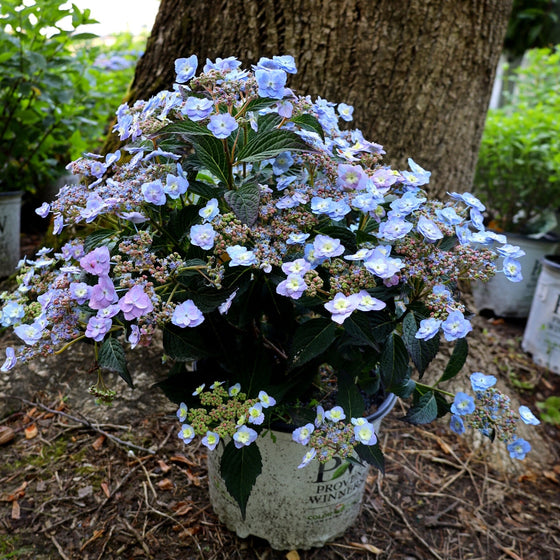


Images Depict Mature Plants
Tiny Tuff Stuff™ Hydrangea
Hydrangea serrata 'MAKD' PP24842
Tiny Tuff Stuff™ is proof you don’t need a big shrub to get that hydrangea magic. I love it for front borders and containers because it stays compact, throws those elegant lacecap blooms, and keeps the color coming back instead of giving you one quick show. Give it morning sun, steady moisture, and just a little spring cleanup, and it’ll look like you fussed—without actually fussing.

15% OFF SITEWIDE SALE
Use Code 'PRIMETIME15' At Checkout
📦 Free shipping on orders over $99.
Delay shipping by leaving us a message at Checkout.
Share:


Tiny Tuff Stuff™ Hydrangea for Compact Lacecap Blooms and Season-Long Color
Small-Space Hydrangea That Still Looks Like A Showpiece
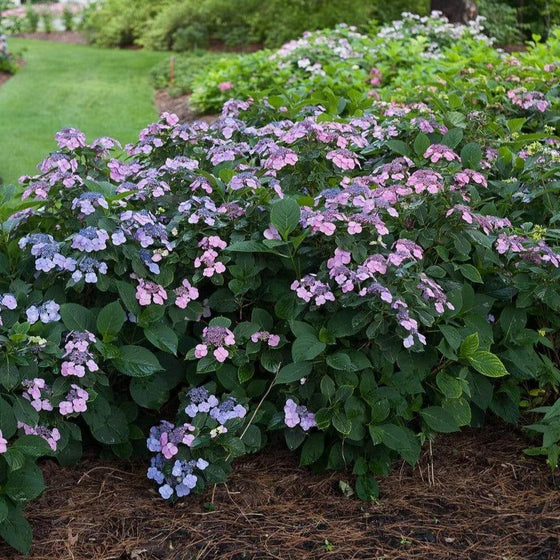
Tiny Tuff Stuff™ Hydrangea delivers that “designer hydrangea” look in a truly compact size. It forms a tidy mound that typically tops out around 18–24 inches tall and wide, making it ideal for front borders, foundation beds, and small gardens where standard hydrangeas feel too bulky. The foliage is neat and refined, so the plant looks intentionally groomed even before the first blooms open.
Because it stays petite, it’s also easy to place exactly where you want color—near an entry, along a walkway, or in repeating groups that create a clean, professional rhythm. Use it to brighten a shady area, soften evergreens, or add a flowering “mid-layer” between perennials and taller shrubs. If you love hydrangeas but don’t have the space (or patience) for a larger shrub, this is a smart, beautiful solution.
Reblooming Lacecap Flowers For Months Of Garden Interest
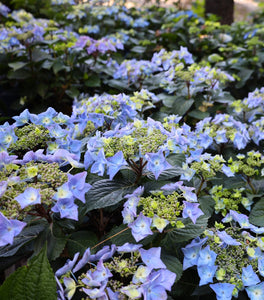
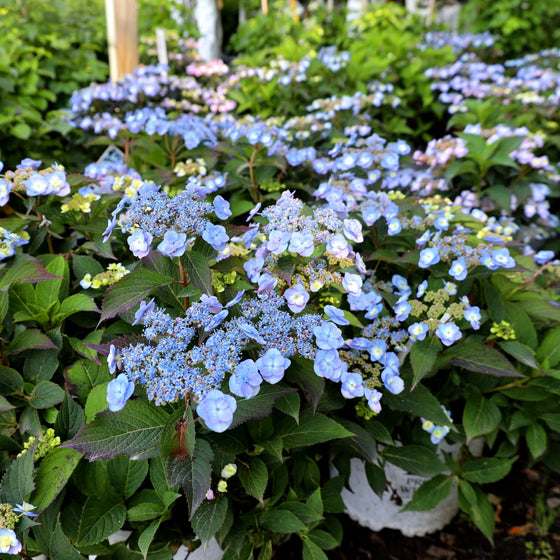
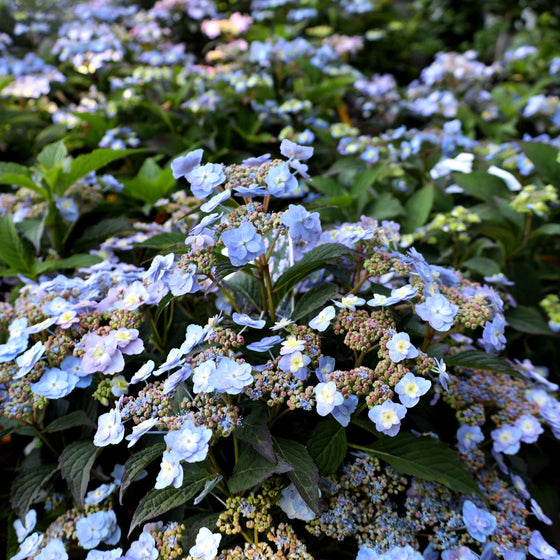
Tiny Tuff Stuff™ isn’t just pretty—it’s dependable. It’s known for reblooming, producing delicate lacecap flowers that show off a ring of showy florets around a fertile center. The look is airy and elegant, with blooms that feel lighter and more naturalistic than classic mopheads. Better yet, it can flower on both old and new wood, which helps keep color coming even after weather swings or minor pruning mistakes.
In real gardens, that means you can often enjoy a strong early-summer show with repeat blooms later in the season. With consistent moisture and a little protection from the hot afternoon sun, it keeps producing fresh flowers that keep beds looking “in bloom” for longer. It’s a great choice when you want the charm of hydrangeas, but you want the bloom window to last, not vanish after one big moment.
Blue, Pink, or Lavender Blooms That Respond to Soil pH
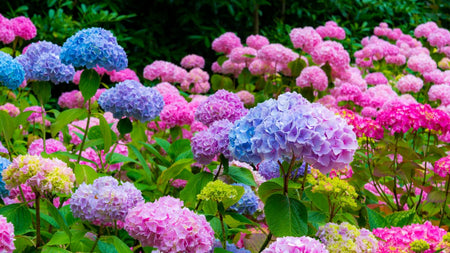
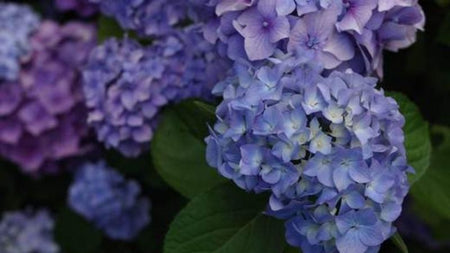
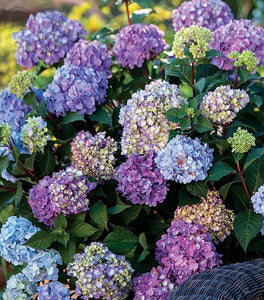
Like many hydrangeas, Tiny Tuff Stuff™ can shift bloom color depending on soil pH. In more acidic soils, flowers lean bluer; in more alkaline soils, they lean pinker, with lavender tones often appearing in the middle. That gives you a flexible palette that works with your existing landscape—and it lets you lean into the color you love most over time with steady soil conditions.
The biggest key to strong color and repeat bloom is plant comfort: rich, well-drained soil that stays evenly moist (not soggy), plus mulch to protect the root zone. Morning sun with afternoon shade is a sweet spot in many regions. When Tiny Tuff Stuff™ isn’t stressed, the plant flowers more consistently, the foliage stays cleaner, and the color reads brighter and more saturated.
Easy Care With Cold-Hardy Confidence And Minimal Pruning Stress
Tiny Tuff Stuff™ is often chosen for its “tougher than it looks” performance. As a mountain hydrangea, it’s valued for good cold hardiness and bud reliability, helping gardeners in cooler climates enjoy more consistent flowering. Give it steady moisture during establishment, water at the base to keep foliage drier, and maintain a 2–3 inch mulch layer to stabilize moisture and temperature.
Pruning is refreshingly simple: focus on cleanup and light shaping rather than heavy cutbacks. Because it blooms on old and new wood, you don’t have to obsess over pruning timing to get flowers—but minimal pruning still produces the fullest show. Remove dead stems in early spring, snip spent blooms if you like a tidy look, and let the plant keep building buds for repeat flowering through the season.
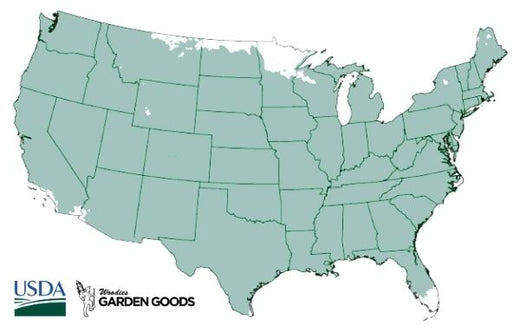
| Hardiness Zone: | 4-9 |
|---|---|
| Mature Height: | 1.5 to 2 feet |
| Mature width: | 2 feet |
| Sunlight: | Part sun to sun; morning sun/afternoon shade is ideal |
| Bloom Time / Color: | Early summer with repeat bloom into late summer/fall; blue in acidic soil, pink in alkaline, lavender in between |
| Pruning Season: | Prune immediately after flowering, flowers on old and new wood |
| Soil Condition: | Moist, well-drained soil; benefits from compost at planting |
| Water Require: | Medium-high; keep evenly moist, especially first year |
| Wildlife Value: | Can attract pollinators; good garden habitat in mixed beds |
| Resistance: | Cold hardy and bud reliable; not reliably deer resistant; prefers consistent moisture (not drought tolerant) |
| Landscape Uses: | Borders, foundation beds, small gardens, mass plantings, containers, bright shade beds, cut flowers |
How to Care for Tiny Tuff Stuff™ Hydrangea
Be sure to read our planting instructions to ensure a healthy and happy Tiny Tuff Stuff™ Hydrangea for years to come!
-v1745253107441.png?92x91)
How should I plant Tiny Tuff Stuff™ Hydrangea?
Plant Tiny Tuff Stuff™ Hydrangea in a spot with morning sun and afternoon shade, or bright filtered light. Dig a hole about twice as wide as the root ball and set the shrub so the top of the root ball sits level with the surrounding soil. Backfill with native soil amended with compost, then water deeply to settle roots and remove air pockets. Finish with 2–3 inches of mulch to keep roots cool and soil evenly moist, keeping mulch a few inches away from the stems. Because this hydrangea stays compact, it’s perfect for tight beds—but still give it room to mature without crowding nearby plants. Good drainage and consistent moisture are the fastest paths to healthier growth and more blooms.
-v1745253138965.png?89x84)
How often should I water Tiny Tuff Stuff™ Hydrangea after planting?
Water deeply right after planting, then keep the soil consistently moist for the first several weeks. A good baseline is 1 to 2 deep waterings per week, adjusted for heat, wind, and drainage. Hydrangeas perform best with steady moisture, so avoid letting the root zone dry out completely between waterings. After the first season, continue watering during dry spells—especially during bud set and flowering. Water at the base to keep foliage drier and reduce leaf issues. Mulch is a big help for hydrangeas, keeping moisture more even and supporting stronger, steadier bloom cycles.
-v1745253158878.png?90x89)
When should I fertilize Tiny Tuff Stuff™ Hydrangea?
Fertilize in spring as new growth begins using a slow-release shrub fertilizer or one labeled for hydrangeas. Apply it over the root zone (not against the stems) and water afterward so nutrients move into the soil. Compost is also a great add-on for improving moisture retention and soil structure. If your soil is lean or you want to support repeat blooms, a light second feeding in early summer can help. Avoid heavy late-season fertilizing, which can push tender growth when the plant should be slowing down. Consistent, moderate feeding supports better foliage and more reliable flowering.

When and how should I prune Tiny Tuff Stuff™ Hydrangea?
Prune Tiny Tuff Stuff™ lightly in early spring by removing any dead stems and tidying winter damage. Because it can bloom on both old and new wood, heavy pruning is unnecessary and can reduce the number of flowering stems. Focus on cleanup and gentle shaping rather than hard cutbacks. If you want to keep the plant extra compact, you can lightly shape it right after a flush of flowers, but avoid aggressive late-summer or fall pruning. Minimal pruning plus consistent moisture is the simplest formula for a full, repeat-blooming display that stays neat and in-bounds.