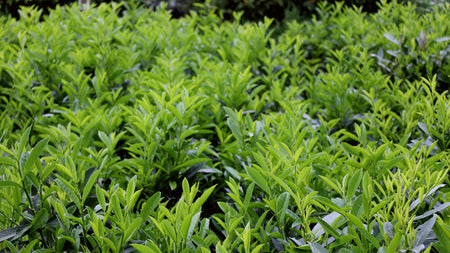
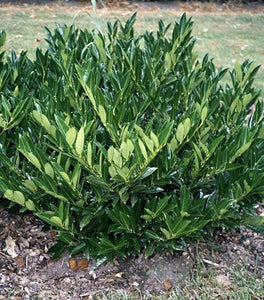
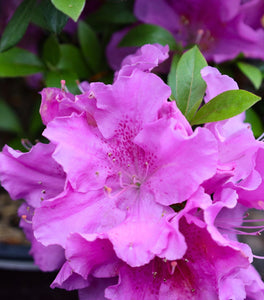
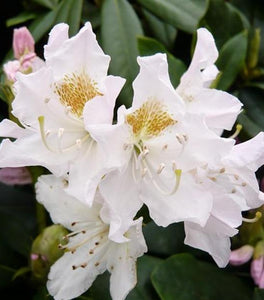
Images Depict Mature Plants
Skip Laurel
Prunus laurocerasus 'Schipkaensis'
Skip Laurel is one of the smartest evergreen hedge plants for homeowners who want privacy and a cleaner, more finished look. It grows with purpose, handles some shade, and keeps the landscape looking full through winter, which is exactly what you want from a screening shrub that has to earn its space year after year.

15% OFF WITH CODE PLANTING15
Save 15% Off Your Entire Order! Limited time.
📦 Free shipping on orders over $99.
Delay shipping by leaving us a message at Checkout.
Share:

A Refined Evergreen Screen for Year-Round Privacy
A privacy shrub that delivers more than coverage
Skip Laurel is one of the best evergreen shrubs for homeowners who want privacy, structure, and a polished landscape look all in one plant. It creates a dense screen, but it never feels overly coarse or heavy in the landscape. With its glossy foliage and naturally upright habit, it offers the kind of year-round presence that makes beds, borders, and property lines feel complete in every season.
Glossy evergreen foliage gives the landscape a finished look
The deep green leaves are one of Skip Laurel’s biggest strengths. They are narrow, rich in color, and glossy enough to catch light beautifully, giving the shrub a cleaner, more refined appearance than many other privacy hedges. Because it stays evergreen, it continues to provide color, mass, and structure through winter when deciduous plants disappear from view.
Spring flowers add softness to a hardworking hedge plant
In late spring, Skip Laurel produces upright clusters of small, white, fragrant flowers that bring a lighter ornamental touch to this practical shrub. The flowers are not the main selling feature, but they do add charm and seasonal interest while also supporting pollinators. That extra bloom display helps the plant feel like more than just a hedge, especially in mixed landscape designs.
Ideal for hedges, screens, and evergreen backdrops
Skip Laurel shines as a privacy hedge, property line screen, foundation backdrop, or green divider for patios and outdoor living spaces. It is especially useful where homeowners want a living wall that looks dense and intentional rather than wild or oversized. It also pairs beautifully with flowering shrubs, ornamental grasses, and perennials that benefit from a dark evergreen background.
Adaptable and low maintenance with better-than-average deer resistance
This broadleaf evergreen grows well in full sun to partial shade, which gives homeowners more flexibility than many screening shrubs. Once established, it is relatively easy to maintain and can be pruned to remain formal or left to develop a fuller, more natural habit. Deer resistance is often considered better than average, but in areas with heavy browsing pressure, it is best to treat Skip Laurel as moderately deer resistant rather than fully deer proof.
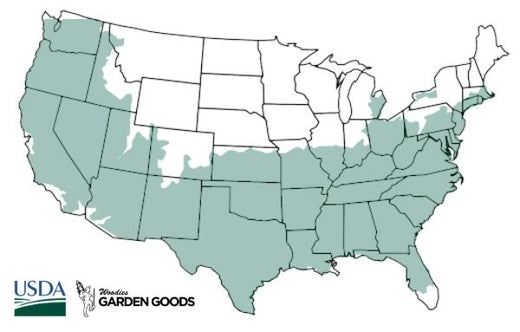
| Hardiness Zone: | 6-9 |
|---|---|
| Mature Height: | 10 to 15 Feet |
| Mature Width: | 5 to 7 Feet |
| Sunlight: | Full sun to partial shade |
| Soil | Well-drained, average to fertile soil |
| Water | Moderate during establishment; more drought tolerant once established |
| Bloom Time / Color | Spring; fragrant white flower spikes |
| Ornamental Features | Glossy dark green foliage, dense upright habit, fragrant spring flowers |
| Wildlife Value | Flowers support pollinators; dense habit can provide cover for birds |
| Resistance (deer/disease/drought/etc.) | Better-than-average deer resistance, shade tolerant, drought tolerant once established |
| Landscape Uses | Privacy hedges, evergreen screens, foundation planting, borders, backdrops, property lines |
How to Care for Skip Laurel
Before you buy a Skip Laurel, make sure to read about the recommended care instructions to keep this plant healthy and thriving.

How should I plant Skip Laurel?
Plant Skip Laurel in well-drained soil in full sun to partial shade, giving it enough space to develop into a dense evergreen shrub. Dig a hole twice as wide as the root ball and no deeper than the root ball itself, then set the plant so the top of the root ball is level with the surrounding soil. Backfill with the native soil, water deeply to settle the roots, and apply mulch around the base to help conserve moisture and moderate soil temperatures. If you are planting a Skip Laurel hedge, spacing is especially important, since plants placed too tightly can become crowded as they mature.

How often should I water Skip Laurel after planting?
Water Skip Laurel deeply right after planting, then keep the soil evenly moist during the first growing season while the roots establish. In most home landscapes, that means deep watering about once or twice per week depending on rainfall, heat, and soil drainage. Once established, Skip Laurel becomes more tolerant of short dry spells, but it still performs best with consistent moisture during extended heat. Avoid constantly soggy soil, because standing water and poor drainage can stress the roots and reduce vigor.

When should I fertilize Skip Laurel?
Fertilize Skip Laurel in early spring with a balanced slow-release fertilizer formulated for trees and shrubs. Feeding at the start of the growing season supports healthy new foliage, steady growth, and the dense evergreen habit that makes this plant so valuable for screening. In average garden soil, Skip Laurel usually does not need heavy feeding. Overfertilizing can lead to soft, overly lush growth, so a moderate spring application is often enough for long-term performance.

When and how should I prune Skip Laurel?
Prune Skip Laurel after flowering in late spring or early summer to shape the plant without sacrificing that season’s bloom display. You can also do selective pruning in late winter to remove damaged, weak, or poorly placed branches and to guide the overall structure of the shrub. For hedges, light shearing can keep the plant tidy, but selective hand-pruning often yields a more natural, attractive result. If you are growing Skip Laurel as a privacy screen, focus on maintaining density and shape rather than cutting it back too aggressively.