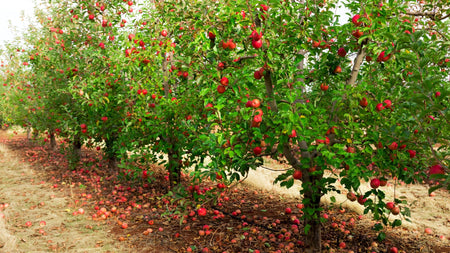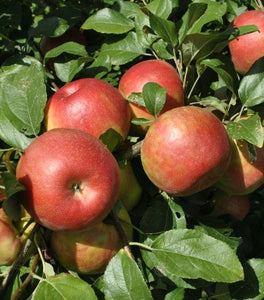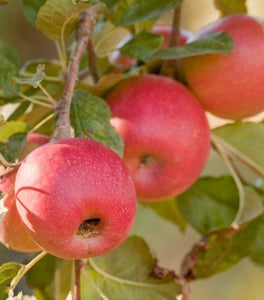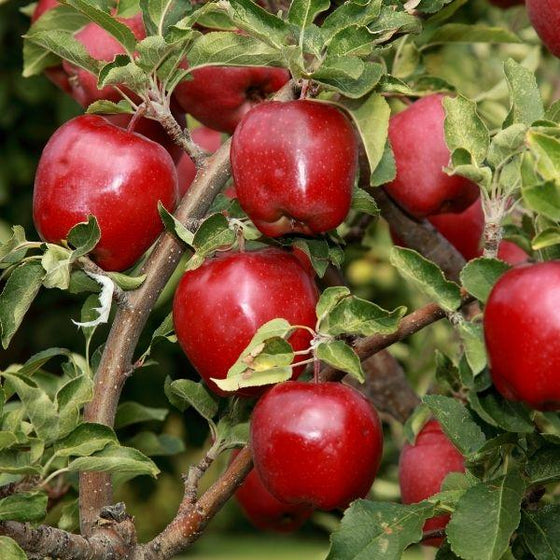

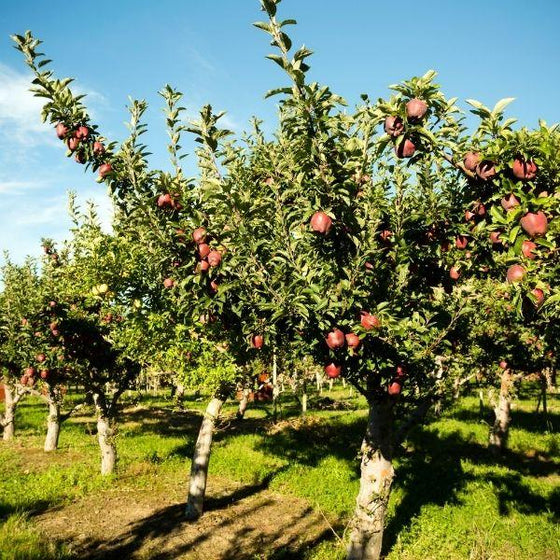
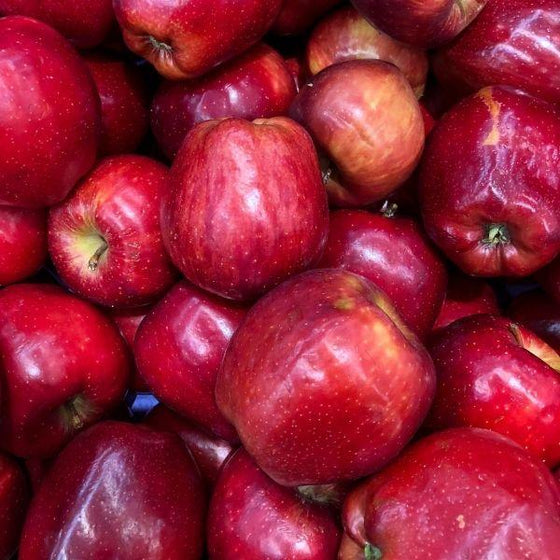
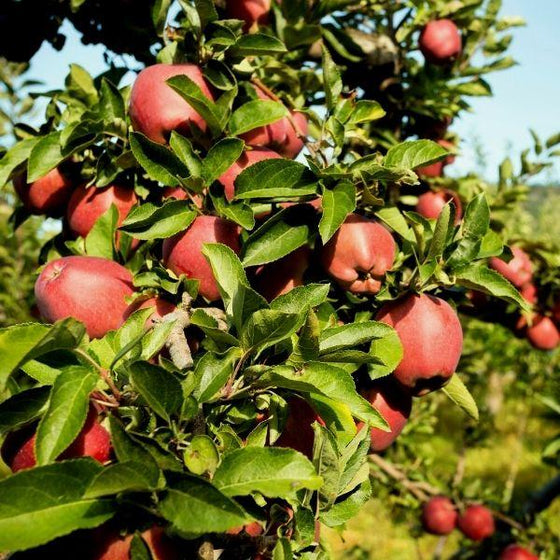


Images Depict Mature Plants
Red Delicious Apple Tree
Malus domestica 'Red Delicious'
Red Delicious Apple Tree is a smart pick for homeowners who want an apple tree that feels familiar, productive, and easy to enjoy. The mild, sweet fruit has broad family appeal, the tree brings a beautiful spring-flowering orchard look to the landscape, and the self-pollinating habit makes it approachable even for smaller spaces. Add a pollination partner nearby, and it only gets better.

15% OFF WITH CODE PLANTING15
Save 15% Off Your Entire Order! Limited time.
📦 Free shipping on orders over $99.
Delay shipping by leaving us a message at Checkout.
Share:

Classic Sweet Apples with Backyard Orchard Appeal
A familiar favorite for home orchards
Red Delicious Apple Tree is a strong choice for homeowners who want a fruit tree with instant familiarity and dependable backyard appeal. This variety produces large red apples with juicy white flesh, giving the harvest a classic look and flavor profile that are easy to enjoy and use at home.
That familiarity matters in the landscape. Instead of planting a fruit tree mainly for novelty, homeowners get a variety that already feels recognizable, approachable, and rewarding, whether the apples are picked for snacking, family use, or seasonal baking.
Mild, sweet flavor with broad household appeal
Red Delicious apples are known for their mild sweetness and very low acidity. That makes them especially appealing for homeowners who want a softer, sweeter apple flavor that works well for fresh eating right off the tree.
They are also useful in the kitchen, especially when a harvest needs to serve multiple purposes. Fresh snacking is the obvious strength, but these apples can also be used in baking and everyday seasonal recipes, which gives the tree broader practical value in a home orchard.
A spring-blooming tree with classic orchard form
Before fruit begins to ripen, the Red Delicious Apple Tree adds ornamental value to the landscape with spring flowering and a spreading, umbrella-shaped canopy. Its dark green foliage and traditional orchard structure make it a natural fit for sunny backyards, kitchen gardens, and mixed edible landscapes.
That ornamental presence gives the tree a more complete landscape role. It contributes shape and seasonal interest well before harvest, which makes it feel like more than just a fruit producer tucked into a corner of the yard.
A rewarding fall harvest with good storage appeal
Red Delicious apples ripen from September into mid-October, giving homeowners a satisfying fall harvest window. Their strong red color adds visual appeal to the tree as the season shifts, helping the planting feel productive and decorative at the same time.
This variety is also described on the live product page as one of the best apples for eating fresh or storing. That combination makes it especially useful for homeowners who want a harvest that can be enjoyed immediately without having to disappear all at once.
Reliable fruiting alone, with even better results near a partner
Red Delicious Apple Tree is self-pollinating, so it can produce fruit without another apple tree nearby. That makes it a practical option for homeowners who only have room for one orchard tree but still want the satisfaction of growing apples at home.
Even so, the live product page notes that planting it with a pollinator will reliably produce more fruit. For homeowners with room to expand, adding a second compatible apple tree can help create a fuller harvest and a more varied backyard orchard.
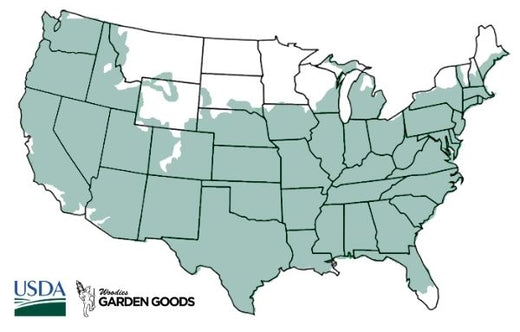
| Hardiness Zone: | 5-9 |
|---|---|
| Mature Height: | 20 to 25 feet |
| Mature Width: | 15 to 20 feet |
| Sunlight: | Full sun |
| Fruit Time / Color | September through mid-October / red |
| Bloom Time / Color | Spring / white to soft pink apple blossoms |
| Taste / Fruit Use | Mild, sweet, low-acid flavor; excellent for fresh eating, baking, and storing |
| Soil Condition: | Any well drained soil |
| Water Requirement: | Water well until established |
| Pollination | Self-pollinating; production can improve with another apple tree nearby |
| Resistance (disease/drought/etc.) | Best performance with full sun, good airflow, and consistent orchard care |
| Landscape Uses | Backyard orchards, edible landscapes, kitchen gardens, sunny specimen planting |
How to Care for Red Delicious Apple Tree
Before you buy a Red Delicious Apple Tree, make sure to read about the recommended care instructions to keep this plant healthy and thriving.

How should I plant Red Delicious Apple Tree?
Plant Red Delicious Apple Tree in a full-sun location with well-drained soil and enough room for its mature canopy to develop. Dig a hole about twice as wide as the root system but not deeper than the tree was growing in its pot, then backfill so the original soil line remains visible after planting. Water deeply after planting to settle the soil, and add a 2–3 inch mulch layer around the root zone to help conserve moisture and reduce weeds. Keep mulch pulled back from the trunk. If you have space for more than one apple tree, a nearby companion variety can help support heavier fruiting over time.

How often should I water Red Delicious Apple Tree after planting?
Water Red Delicious Apple Tree deeply right after planting so the root zone is fully soaked. During the first growing season, check the tree frequently and keep the soil evenly moist while it establishes, especially during warmer weather. The goal is deep, thorough watering rather than frequent light sprinkling. Once established, the tree will need less frequent watering, but it still benefits from steady moisture during dry periods and active fruit development. Consistent watering supports stronger growth, better fruit quality, and less plant stress through the season. This second paragraph is standard orchard guidance based on the site’s establishment-watering instructions.

When should I fertilize Red Delicious Apple Tree?
Fertilize Red Delicious Apple Tree lightly in spring once frost has passed. A balanced, extended-release fertilizer is a good fit because it supports healthy growth and flowering without pushing excessive soft growth. A second light feeding about 6 to 8 weeks later can be helpful for young trees or when stronger fruit set is the goal. Avoid overfertilizing, especially with high-nitrogen products, since too much leafy growth can reduce the balance between canopy growth and fruit production. The timing here follows the live product page’s care guidance.

When and how should I prune Red Delicious Apple Tree?
Prune Red Delicious Apple Tree in late winter while the tree is dormant. This is the best time to remove damaged, crowded, or crossing branches and to shape the canopy so sunlight and air can move through the tree more effectively. Focus on maintaining a strong, open framework with well-spaced branches. Annual dormant pruning helps improve airflow, supports better fruit quality, keeps the tree easier to manage, and preserves the attractive spreading form that gives this tree its classic orchard look. The late-winter timing comes directly from the product page, while the shaping guidance is standard orchard practice consistent with that timing.