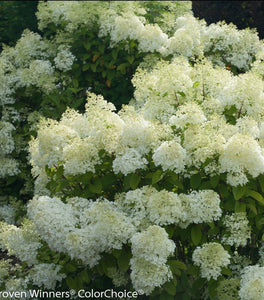
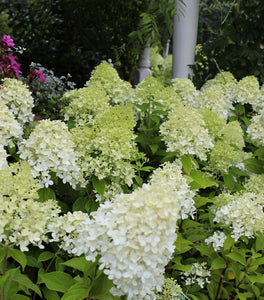
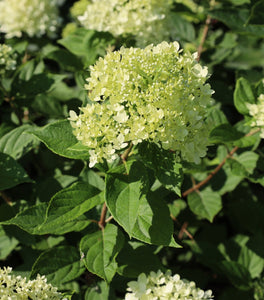
Images Depict Mature Plants
Pinky Winky® Prime Hydrangea
Hydrangea paniculata 'DVPPINKY' PP16166
Pinky Winky® Prime Hydrangea is the kind of shrub you plant when you want a real showpiece. It has the two-tone pink and white flower display people love from Pinky Winky, but with bigger blooms and a bolder habit that can anchor a hedge, border, or specimen planting. I like it best where it has room to grow into its full size, because this is not a small filler shrub. Give it sun, moisture, and space, and it will reward you with one of the strongest late-summer hydrangea displays in the landscape.

20% OFF SITEWIDE SALE
Use Code 'OCTOBER20' At Checkout
📦 Free shipping on orders over $99.
Delay shipping by leaving us a message at Checkout.
Share:


Massive White and Pink Blooms on a Bold Panicle Hydrangea
A Bigger, Bolder Pinky Winky Hydrangea.
Pinky Winky® Prime Hydrangea is a dramatic panicle hydrangea grown for its oversized flower clusters, strong landscape presence, and unforgettable two-tone color show. The large cone-shaped blooms open white in summer, then gradually turn rich pink from the base upward as the season progresses. This creates the signature pink-and-white effect that makes Pinky Winky hydrangeas so recognizable, but with an even bigger, fuller display.
Massive Summer-to-Fall Flowers with Two-Tone Color.
The flowers are the main event. Pinky Winky® Prime produces large upright panicles that begin bright white, then deepen to vivid pink as they age. Because new white florets continue appearing toward the tips while the lower flowers turn pink, the plant often shows both colors at once. This makes it a standout in late summer and fall, when many other flowering shrubs are beginning to fade.
A Full-Size Hydrangea for Hedges, Specimens, and Borders.
Pinky Winky® Prime is a large hydrangea that typically grows 6 to 9 feet tall and wide. Its size makes it ideal for flowering hedges, privacy screens, back-of-border plantings, large foundation beds, and specimen plantings where the shrub has room to make an impact. Use it as a focal point near a lawn, along a property line, or in a mixed shrub border with evergreens, ornamental grasses, roses, and other flowering shrubs.
Reliable Blooms on New Wood.
This panicle hydrangea blooms on new wood, which means flower buds form on the current season’s growth rather than relying on old stems to survive winter. That makes Pinky Winky® Prime a dependable choice in colder regions where some bigleaf hydrangeas may fail to bloom after harsh winters. It is also highly cold-hardy and adaptable, performing well in full sun to part sun with average, well-drained soil and consistent moisture.
Excellent for Fresh and Dried Flower Arrangements.
Pinky Winky® Prime Hydrangea is beautiful in the landscape and equally useful as a cut flower. The large panicles can be clipped for fresh arrangements when the blooms are fully open or left on the shrub to age into richer pink tones before drying. The flowers also provide strong late-season interest in the garden, especially when paired with fall-blooming perennials, evergreens, and ornamental grasses.
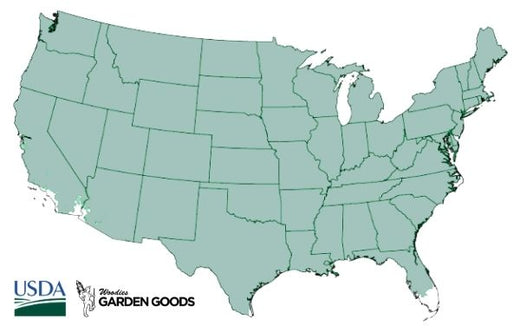
| Hardiness Zone: | 3-9 |
|---|---|
| Mature Height: | 6 to 9 Feet |
| Mature Width: | 6 to 9 Feet |
| Sunlight: | Full sun to part sun |
| Soil: | Average, moist, well-drained soil |
| Water: | Moderate; keep evenly moist during establishment and dry spells |
| Bloom Time / Color: | Mid-summer through fall; white blooms aging to rich pink |
| Ornamental Features: | Massive panicle blooms, two-tone pink and white flowers, bold upright habit, late-season color |
| Wildlife Value: | Flowers may attract pollinators |
| Resistance: | Cold hardy, heat tolerant with adequate moisture, blooms reliably on new wood |
| Landscape Uses: | Specimen shrub, flowering hedge, privacy screen, mixed border, foundation planting, mass planting, cut flowers, dried flowers |
How to Care for Pinky Winky® Prime Hydrangea
Be sure to read our planting instructions to ensure a healthy and happy Pinky Winky® Prime Hydrangea plant for years to come!
-v1770738825710.png?92x91)
How should I plant Pinky Winky Prime Hydrangea?
Plant Pinky Winky Prime Hydrangea in full sun to part sun where it has enough room to mature to its full size. Choose a location with moist, well-drained soil and good air movement. In hotter climates, morning sun with some afternoon shade can help reduce stress, while cooler climates can usually support more direct sun. Dig a hole about twice as wide as the root ball and just as deep. Set the top of the root ball level with the surrounding soil, backfill gently, and water thoroughly. Add a 2- to 3-inch layer of mulch around the root zone to conserve moisture and keep the roots cool, keeping mulch pulled slightly away from the base of the stems.

How often should I water Pinky Winky Prime Hydrangea after planting?
Water Pinky Winky Prime Hydrangea deeply after planting and keep the soil evenly moist during the first growing season. Panicle hydrangeas are adaptable, but consistent moisture helps new roots establish and supports strong flower production. During hot or dry weather, water when the top few inches of soil begin to dry. Once established, Pinky Winky Prime Hydrangea can handle normal garden conditions, but it will bloom and perform best with occasional deep watering during extended dry periods. Avoid constantly soggy soil, especially in heavy clay, but do not allow the plant to dry severely while flower buds and blooms are developing.

When should I fertilize Pinky Winky Prime Hydrangea?
Fertilize Pinky Winky Prime Hydrangea in early spring as new growth begins. Use a balanced slow-release fertilizer formulated for flowering shrubs, or topdress with compost around the root zone. This helps support strong stems, healthy foliage, and large summer-to-fall blooms. Avoid over-fertilizing, especially with high-nitrogen fertilizer, because too much leafy growth can reduce flower quality or create softer stems. A single spring feeding is usually enough in average garden soil. If the shrub is growing well and flowering strongly, keep feeding light and focus on proper watering and pruning.

When and how should I prune Pinky Winky Prime Hydrangea?
Prune Pinky Winky Prime Hydrangea in late winter or early spring before new growth begins. Because it blooms on new wood, pruning at this time helps shape the plant and encourage strong flowering stems without removing the season’s flower buds. Remove dead, damaged, weak, or crossing branches first. For general shaping, reduce the previous season’s growth by about one-third if needed, keeping the natural framework of the shrub intact. Avoid pruning hard in mid-summer, since that can delay flowering. Spent blooms may be left on the plant for winter interest or removed after flowering if a cleaner look is preferred.