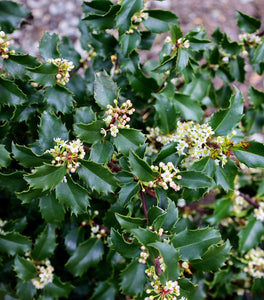
Images Depict Mature Plants
Needlepoint Holly
Ilex cornuta 'Needlepoint'
Needlepoint Holly is the kind of evergreen shrub I reach for when a landscape needs structure that really lasts. It gives you glossy dark green foliage, strong screening value, bright red berries for winter interest, and the kind of dependable habit that works beautifully in hedges, foundation beds, and privacy plantings. I especially appreciate how it brings that classic holly look without feeling too coarse, and for homeowners who want an evergreen privacy shrub with real four-season value, this is a very smart choice.

15% OFF WITH CODE PLANTING15
Save 15% Off Your Entire Order! Limited time.
📦 Free shipping on orders over $99.
Delay shipping by leaving us a message at Checkout.
Share:

Evergreen Privacy, Red Berries, and Year-Round Structure for the Landscape
A Strong Evergreen Holly for Privacy and Lasting Structure
Needlepoint Holly is an excellent choice for homeowners who want an evergreen shrub that brings year-round coverage, strong form, and practical landscape value. This dense holly develops into an upright to pyramidal shrub with glossy, dark green foliage, making it especially useful where privacy, screening, or dependable evergreen structure are required. It has the kind of presence that helps anchor a planting in every season, whether it is used along a property line, in a mixed border, or near the foundation of a home.
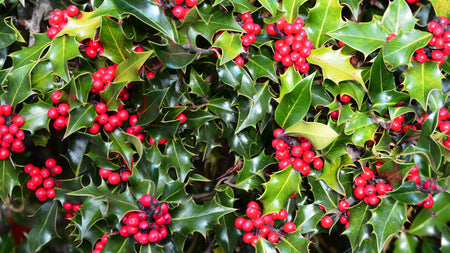
One of Needlepoint Holly's biggest strengths is its ability to combine toughness with refined visual appeal. The leaves are leathery, lustrous, and deep green, but unlike many hollies with multiple spines, this variety typically carries a single pointed tip on each leaf. That gives it a distinctive look that still reads classic holly, while feeling a bit cleaner and more elegant in the landscape. The result is a shrub that feels substantial enough for utility planting but attractive enough for front-yard use.
Its dense branching habit makes it especially effective as a privacy screen. When planted in rows, Needlepoint Holly creates a full evergreen barrier that helps define outdoor rooms, soften property lines, and reduce visual exposure. Even when used as a single specimen, it brings a sense of permanence and structure that improves the entire bed around it.
For homeowners looking for an evergreen holly shrub that can work hard in the landscape without looking overly stiff or heavy, Needlepoint Holly offers the kind of long-term value that keeps paying off season after season.
Glossy Foliage and Bright Red Berries for Winter Interest
Needlepoint Holly is not just a useful evergreen screen. It is also a beautiful plant in its own right, especially once its bright red berries begin to color up in fall and persist into winter. Those berries stand out vividly against the dark green foliage, creating the kind of seasonal contrast that adds real energy to the colder landscape. At a time of year when many gardens begin to fade, this holly starts to feel even more valuable.
The foliage supports that display beautifully. The glossy leaves hold their rich green tone through the seasons, helping beds and borders stay visually grounded long after deciduous plants have dropped their leaves. In four-season landscapes, that evergreen mass is essential. It keeps the planting from looking hollow in winter and gives flowering shrubs and perennials something strong to play against during the growing season.
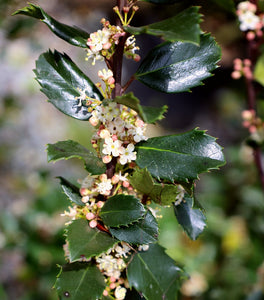
Its white spring flowers are small and not showy, but they do add a subtle seasonal layer before the berries develop later on. The main ornamental sequence here is evergreen foliage first, then the berry display, and that is exactly what many homeowners want from a holly. It is a plant that earns its keep through texture, form, and seasonal color rather than through one short bloom cycle.
For homeowners designing with winter interest in mind, Needlepoint Holly is especially useful because it offers both form and ornament. The berries brighten the garden when little else is happening, and the evergreen foliage ensures the shrub still looks substantial even when berry set is lighter from year to year.
A Flexible Landscape Plant for Hedges, Screens, and Foundation Beds
Needlepoint Holly is one of those evergreen shrubs that fit into a wide range of landscape roles. It works beautifully as a tall hedge, a privacy screen, a foundation anchor, or a specimen shrub in a mixed planting. Its mature size gives it enough substance to matter in the landscape, but it is still manageable enough to suit residential properties where oversized evergreens can become difficult to control.
Most homeowners will find it especially valuable for screening and property edge planting. Its dense upright habit makes it easy to create a living wall of evergreen foliage that feels attractive rather than harsh. Planted in a row, it can provide privacy, soften fence lines, and help define outdoor spaces with a more finished look. In front-yard landscapes, it can also be used more selectively as a backdrop shrub behind lower perennials and flowering plants.
Needlepoint Holly also works well in foundation plantings where a strong evergreen shrub is needed to balance the home and provide all-season structure. Because the plant responds well to pruning, it can be maintained more tightly in formal settings or allowed to develop a more natural pyramidal habit in relaxed designs. That flexibility makes it useful in traditional, transitional, and even more naturalistic garden styles.
It is also a smart choice for landscapes where deer resistance, durability, and winter performance matter. For homeowners who want a shrub that can serve both ornamental and practical purposes, Needlepoint Holly is the kind of plant that gives the landscape backbone and beauty at the same time.
Low-Maintenance Performance with Tough, Dependable Character
Needlepoint Holly performs best in full sun to part shade and adapts well to a range of soil types as long as drainage is reliable. It prefers slightly acidic, fertile soil, but it is known for being tougher and more adaptable than many homeowners expect. Once established, it handles heat and periods of drought better than many softer evergreen shrubs, which adds to its value in lower-maintenance landscapes.
During establishment, regular watering is the key to success. A well-watered young shrub will root in more quickly and develop the dense branching that makes this holly so effective as a screen or hedge. After that, its care needs become fairly straightforward. It benefits from mulching, occasional feeding, and light pruning as needed, but it does not require constant attention to stay useful and attractive.
Another practical advantage is deer resistance. No shrub is completely deer-proof in every setting, but Needlepoint Holly is generally less appealing to deer than many broadleaf evergreens, which makes it a smart choice in areas with browsing pressure. Its dense evergreen structure also provides cover for birds, and the berries add additional wildlife interest later in the season.
For homeowners who want a reliable evergreen that can handle real landscape conditions while still offering classic holly beauty, Needlepoint Holly is a strong long-term investment. It is one of those shrubs that makes the whole planting look more established, more intentional, and more complete.
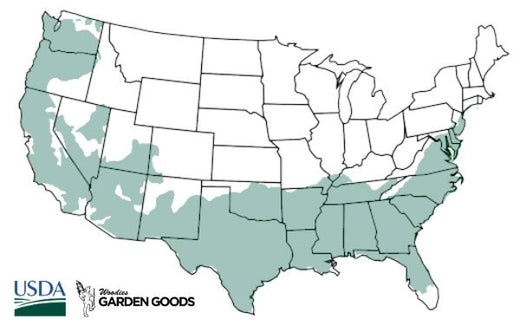
| Hardiness Zone: | 7-9 |
|---|---|
| Mature Height: | 10 to 15 Feet |
| Mature Width: | 8 to 10 Feet |
| Sunlight: | Full sun to partial shade |
| Soil Conditions: | Well-drained, slightly acidic to neutral soil; adaptable to many soil types |
| Water | Moderate; regular water during establishment, then water during extended dry periods |
| Bloom Time / Color | Spring; small white flowers |
| Wildlife Value | Berries for birds, evergreen cover for wildlife, pollinator support from spring flowers |
| Resistance (deer/disease/drought/etc.) | Deer resistant, heat tolerant, drought tolerant once established, adaptable |
| Landscape Uses | Privacy screen, hedge, foundation planting, specimen shrub, border, winter-interest planting |
How to Care for Needlepoint Holly
Once you buy a Needlepoint Holly, make sure to read about the care instructions that are recommended to keep your Holly healthy and thriving.

How should I plant Needlepoint Holly?
Plant Needlepoint Holly in full sun to partial shade in well-drained soil. Dig a hole about twice as wide as the root ball and no deeper than the root ball itself, then place the shrub so the top of the root ball sits level with or slightly above the surrounding soil. Backfill with native soil, water deeply, and apply mulch around the base to help hold moisture and reduce weed competition. If you are planting for a privacy screen or hedge, choose a location with enough room for the shrub’s mature width so it can fill in without becoming overcrowded too early.

How often should I water Needlepoint Holly after planting?
Water Needlepoint Holly deeply right after planting, then keep the soil evenly moist during the first growing season. In most landscapes, that means watering regularly during dry weather so the roots can establish without stress. Once established, this holly becomes more drought tolerant, but it still performs best with supplemental water during extended hot or dry periods. Deep watering is more effective than frequent shallow watering because it encourages a stronger, more resilient root system.

When should I fertilize Needlepoint Holly?
Fertilize Needlepoint Holly in early spring with a balanced slow-release fertilizer formulated for evergreen shrubs. Feeding as new growth begins supports good foliage color, steady development, and strong branching. Avoid overfertilizing or applying heavy feedings late in the season, since that can push overly tender growth. In many home landscapes, a yearly spring feeding along with mulch and healthy soil is enough to keep this shrub looking full and vigorous.

When and how should I prune Needlepoint Holly?
Prune Needlepoint Holly in late winter to early spring before strong new growth begins, or lightly shape it in late spring after the first flush if needed. That timing helps preserve its dense form while keeping the plant easy to manage. For hedges and screens, light shaping encourages fuller growth and a more polished outline. For specimen use, selective pruning is usually enough to preserve the plant’s natural pyramidal habit while removing stray, damaged, or crowded branches.