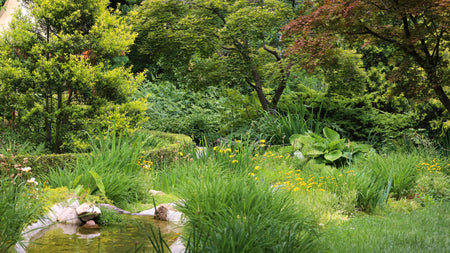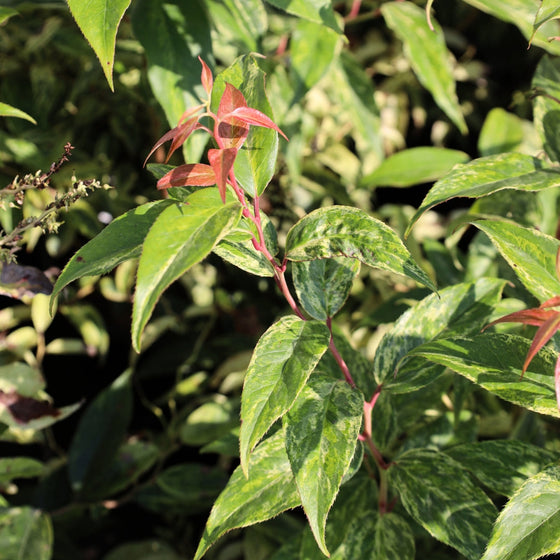


Images Depict Mature Plants
Leucothoe Girard's Rainbow
Leucothoe fontanesiana 'Rainbow'
Leucothoe Girard’s Rainbow is a really useful plant when a shady planting needs more color and texture. The variegated foliage, red stems, and scarlet accents give it a lot more personality than a plain green evergreen shrub, and I especially like how naturally it fits with ferns, rhododendrons, and other woodland plants. For homeowners looking for a colorful evergreen shrub for part shade, a low hedge for a woodland edge, or a container plant with year-round interest, this is a smart and beautiful choice.

15% OFF WITH CODE PLANTING15
Save 15% Off Your Entire Order! Limited time.
📦 Free shipping on orders over $99.
Delay shipping by leaving us a message at Checkout.
Share:


A Colorful Evergreen Shade Shrub With Variegated Foliage And Woodland Charm
Striking Variegated Foliage That Brings Color To Shade
Leucothoe Girard’s Rainbow is one of those evergreen shrubs that can brighten a shady planting without relying on heavy flower power to do it. Its foliage is colorful and variegated, with green, cream, and scarlet tones that give the plant a lively, changing look through the seasons. Red stems add even more contrast, helping the shrub stand out in mixed borders, woodland gardens, and container arrangements where darker foliage can sometimes blend into the background.
That foliage color is what makes this shrub especially useful in part shade. Instead of fading into the background, it adds light, texture, and contrast, where many evergreen shrubs tend to stay mostly one-note. For homeowners looking for a colorful evergreen shrub for shade, Girard’s Rainbow brings dependable interest and a softer, more ornamental look than many broader green foundation plants.
A Beautiful Woodland Companion For Ferns, Rhododendrons, And More
Leucothoe Girard’s Rainbow feels especially at home in woodland-style planting plans. The naturally mounded habit and refined evergreen foliage make it an excellent companion for ferns, rhododendrons, azaleas, pieris, and other shade-loving shrubs and perennials. It helps create the layered, established look that makes a shady garden feel intentional and lush rather than sparse.
Because it is effective as a hedge and can also be clipped into an attractive groundcover effect, this shrub is flexible in design. It can be used as a low, colorful edging plant, a soft filler in mixed borders, or a repeated element in more naturalistic shade gardens. Whether you use one as an accent or several in a drift, it brings cohesion and year-round foliage value to the space.
Clusters Of White Flowers Add A Soft Seasonal Accent
While the foliage carries most of the show, Leucothoe Girard’s Rainbow also produces small clusters of white flowers that add another layer of charm. These blooms are a quieter feature than the foliage, but they give the plant a refined seasonal lift and can even be useful in cut arrangements. The flowers help the shrub feel fresh and active in spring without pulling attention away from its variegated leaves.
That balance is part of the appeal. This is not a shrub that peaks for one dramatic week and then disappears into the background. Instead, it offers flowers as a bonus, in addition to attractive evergreen foliage and colorful stems. For gardeners who want a shrub with season-long interest in part shade, that combination is hard to beat.
An Easy Evergreen For Part Shade Gardens And Containers
Leucothoe Girard’s Rainbow is easy to appreciate once it is planted in the right spot. It thrives in part shade to part sun and prefers well-drained, nutrient-rich, acidic soil with consistent moisture. Once established, it settles into a neat mounded habit that works well in mixed borders and containers, where the colorful foliage can be enjoyed up close.
This shrub also responds well to mulching and organic matter, which makes it a strong fit for gardeners who like improving woodland soil naturally over time. Because it favors acid-loving conditions, it pairs especially well with other shrubs grown for similar garden settings. For homeowners seeking a variegated evergreen shrub that adds texture, color, and flexibility to shade gardens, Leucothoe Girard’s Rainbow is a beautiful choice.
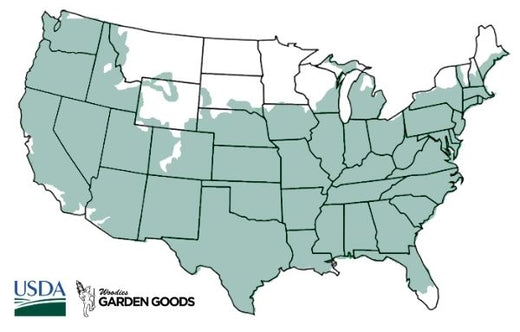
| Hardiness Zone: | 5-9 |
|---|---|
| Mature Height: | 3 to 5 Feet |
| Mature Width: | 3 to 5 Feet |
| Bloom Time / Color | Spring; small clusters of white flowers |
| Sunlight: | Partial shade to partial sun |
| Soil Condition: | Well-drained, nutrient-rich, acidic soil |
| Water Requirements: | Water regularly during establishment; prefers even moisture |
| Wildlife Value | Evergreen cover and seasonal bloom interest in the landscape |
| Resistance (deer/disease/drought/etc.) | Prefers consistent moisture; avoid waterlogged soil and extreme drought stress |
| Landscape Uses | Mixed border, woodland garden, low hedge, clipped groundcover effect, container planting, shade accent |
How to Care for Leucothoe Girard's Rainbow
Be sure to read our planting instructions to ensure a healthy and happy Leucothoe Girard’s Rainbow for years to come!
-v1774280330523.png?92x91)
How should I plant Leucothoe Girard’s Rainbow?
Plant Leucothoe Girard’s Rainbow in partial shade to partial sun in a location with well-drained soil and plenty of organic matter. It is especially well suited to woodland-style beds, mixed shade borders, and containers where the colorful foliage can be appreciated. Because it prefers acidic, nutrient-rich soil, it performs especially well near rhododendrons, azaleas, ferns, and other acid-loving companions. When planting, backfill with a mix of existing soil and compost, then water deeply and slowly so the root zone is thoroughly soaked. Finish with a 2- to 3-inch mulch layer around the plant, keeping the mulch slightly away from the stems. Mulch helps hold moisture, suppress weeds, and support the soil conditions leucothoe prefers.
-v1774280352796.png?89x84)
How often should I water Leucothoe Girard’s Rainbow after planting?
Water Leucothoe Girard’s Rainbow deeply right after planting and keep the soil evenly moist while the shrub establishes. Check it daily during the first week or so, then every other day after that, and water at the soil line rather than over the foliage. A slow, deep soaking is much better than a quick surface watering. After establishment, regular watering is still helpful, especially during warm or dry stretches. This shrub prefers consistent moisture but not soggy conditions, so the goal is moist, well-drained soil rather than waterlogged ground. Soaker hoses work especially well when planting several as a hedge or grouped border.
-v1774280369563.png?90x89)
When should I fertilize Leucothoe Girard’s Rainbow?
Leucothoe Girard’s Rainbow grows best when fertilized once in spring, and it also responds well to nutrient-rich, acidic soil. A balanced fertilizer formulated for shrubs or acid-loving plants is a good choice, and many gardeners also like following up with an early summer feeding to support strong foliage and healthy soil acidity. Organic matter such as compost can also be very helpful around the root zone. Avoid fertilizing late in the season, especially after August in colder regions, because tender new growth may not harden off in time. Moderate feeding is usually best, since over-fertilization can do more harm than good.

When and how should I prune Leucothoe Girard’s Rainbow?
Leucothoe Girard’s Rainbow generally needs very little heavy pruning because it naturally grows in a tidy mounded form. Most of the time, light shaping or clipping is enough if you want to maintain a cleaner outline or use it in a low hedge or groundcover-style planting. The best approach is selective pruning rather than aggressive cutting. Remove any dead, damaged, or awkward stems as needed and lightly shape the plant to preserve its natural habit. Because the foliage is one of its main ornamental features, gentle maintenance usually gives the best result.