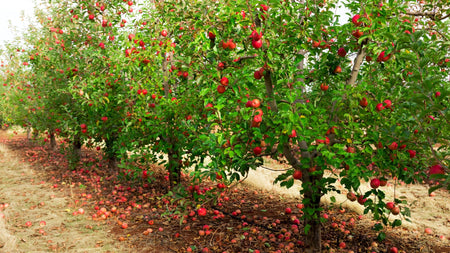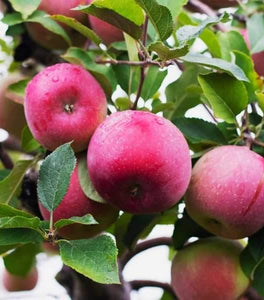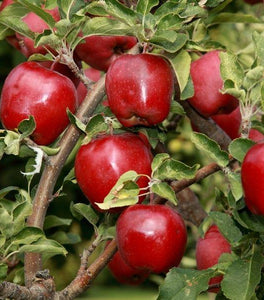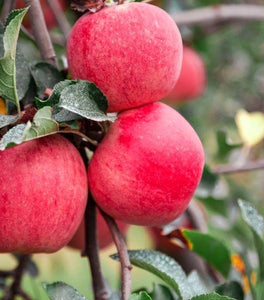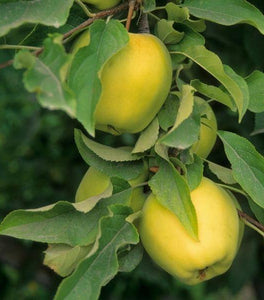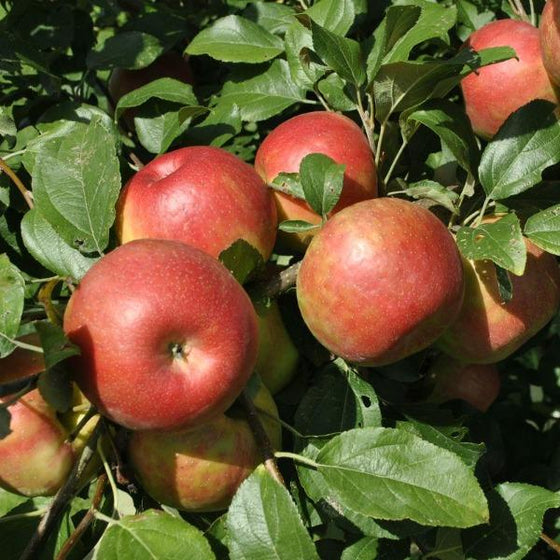

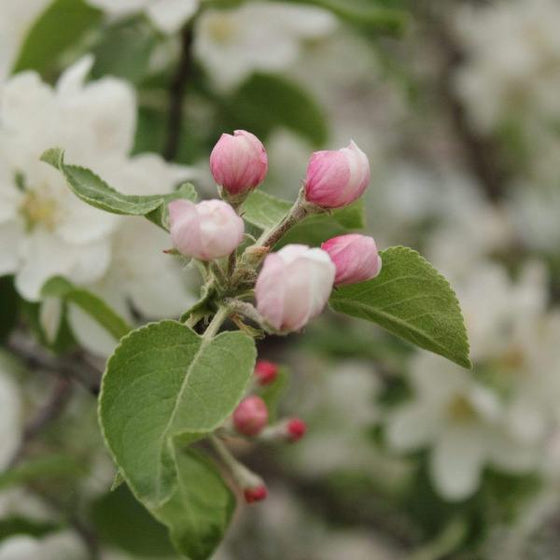


Images Depict Mature Plants
Honeycrisp Apple Tree
Malus domestica 'Honeycrisp'
The Honeycrisp Apple Tree is one of those varieties that really earns its reputation. The fruit has that sweet, crisp, straight-off-the-tree quality homeowners get excited about, and the tree itself brings a beautiful spring bloom and classic orchard shape to the landscape. Add a pollination partner nearby, and this becomes the kind of planting that delivers both real garden beauty and a harvest that feels premium.

15% OFF WITH CODE PLANTING15
Save 15% Off Your Entire Order! Limited time.
📦 Free shipping on orders over $99.
Delay shipping by leaving us a message at Checkout.
Share:

Sweet Crisp Apples with Big Backyard Orchard Appeal
A modern favorite for fresh eating at home
Honeycrisp Apple Tree is a standout choice for homeowners who want a fruit tree that delivers on flavor, texture, and overall excitement. This variety has become one of the most popular apples for fresh eating thanks to its sweet taste, aromatic character, and remarkably juicy, crisp bite.
That makes it especially appealing in the home landscape. Honeycrisp is not just another apple tree that happens to produce fruit. It is a tree that gives homeowners a harvest they will truly look forward to, whether the apples are picked for snacking, lunch boxes, or seasonal gatherings.
Sweet flavor and explosive crunch
One of the biggest reasons gardeners are drawn to the Honeycrisp Apple Tree is the fruit itself. Honeycrisp apples are known for their balanced sweetness and satisfying crunch, with a juicy texture that feels refreshing straight off the tree. They are among the best apples for fresh eating and for storage.
That flavor and texture combination gives this tree premium appeal. For homeowners building a backyard orchard, Honeycrisp offers fruit quality that feels special, dependable, and worth making space for in the landscape.
Spring bloom and a handsome orchard shape
Before the apples arrive, the Honeycrisp Apple Tree adds ornamental beauty to the yard with pinkish-white spring blossoms. Its spreading, umbrella-shaped canopy gives it the traditional orchard look many homeowners want, helping it feel right at home in sunny backyards, kitchen gardens, and mixed edible landscapes.
This ornamental value is part of what makes Honeycrisp so versatile. It contributes seasonal beauty early in the year, then transitions into a productive fruit tree later in the season, giving the planting a more complete landscape role.
Better harvests with the right pollination partner
Honeycrisp Apple Tree is not self-pollinating, so it performs best when another apple tree is planted nearby. Cross-pollination helps support fruit production and makes the harvest much more dependable, which is important for homeowners who want a productive and rewarding orchard setup.
That pollination also creates an opportunity. Adding a second apple variety nearby improves fruit set while giving homeowners more flavor variety and a more interesting home harvest overall.
A strong choice for colder-region home orchards
Honeycrisp is especially well-suited to homeowners in colder parts of the country who want an apple tree that combines strong fruit quality with cold-weather adaptability. It offers classic orchard character, manageable structure, and a harvest that feels every bit as good as its reputation suggests.
For gardeners who want one fruit tree to bring beauty, seasonal interest, and truly memorable apples, the Honeycrisp Apple Tree is an easy variety to appreciate from bloom time through harvest.
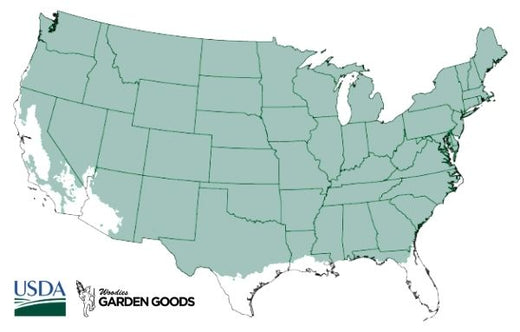
| Hardiness Zone: | 3-8 |
|---|---|
| Mature Height: | 12 to 15 Feet |
| Mature Width: | 12 to 15 Feet |
| Sunlight: | Full sun |
| Fruit Time / Color | Red |
| Bloom Time / Color | April / pinkish white blossoms |
| Soil Condition: | Any well drained soil |
| Water Requirement: | Water well until established |
| Taste / Fruit Use | Sweet, aromatic, explosively juicy, crisp; excellent for fresh eating and storing |
| Pollination | Not self-pollinating; needs another apple tree nearby |
| Resistance (disease/drought/etc.) | Cold-climate adaptability; best performance with sun, airflow, and consistent orchard care |
| Landscape Uses | Backyard orchards, edible landscapes, kitchen gardens, sunny specimen planting |
How to Care for Honeycrisp Apple Tree
Before you buy a Honeycrisp Apple Tree, make sure to read about the recommended care instructions to keep this plant healthy and thriving.

How should I plant Honeycrisp Apple Tree?
Plant Honeycrisp Apple Tree in a full-sun location with well-drained soil and enough space for its mature canopy to develop. Dig a hole about twice as wide as the root system but no deeper than the soil line of the plant in the pot, then backfill carefully so the original growing level remains visible after planting. Water deeply after planting to settle the soil, then add a 2–3 inch layer of mulch around the root zone to help conserve moisture and reduce weed pressure. Keep mulch pulled back from the trunk. Since Honeycrisp needs another apple tree for cross-pollination, it is also smart to plan space for a compatible partner within practical planting distance.

How often should I water Honeycrisp Apple Tree after planting?
Water Honeycrisp Apple Tree deeply right after planting so the entire root zone is soaked. During the first growing season, keep the soil evenly moist while the tree establishes, checking regularly so the roots do not dry out during hot or windy weather. Deep watering is better than frequent shallow watering because it encourages stronger root growth. Once established, the tree will need less frequent watering, but it still benefits from deep watering during dry spells and during flowering and fruit development. Consistent moisture helps support better growth, stronger fruit set, and higher fruit quality.
-v1775579734297.png?90x89)
When should I fertilize Honeycrisp Apple Tree?
Fertilize Honeycrisp Apple Tree lightly in spring once frost has passed and new growth begins. A well-balanced, extended-release fertilizer made for trees or fruit trees works well because it supports healthy growth and fruiting without encouraging excessive soft growth. A second light feeding about 6 to 8 weeks later can be helpful, especially on young trees or when stronger fruit set is the goal. Avoid overfertilizing, since too much nitrogen can encourage leafy growth instead of balanced flowering and fruit production.

When and how should I prune Honeycrisp Apple Tree?
Prune Honeycrisp Apple Tree in late winter while the tree is dormant. This is the best time to remove damaged, crowded, or crossing branches and to shape the canopy so light and air can move through the tree more effectively. Focus on creating and maintaining a strong, open framework with well-spaced branches. Annual dormant pruning helps improve airflow, supports fruit quality, keeps the tree easier to manage, and preserves the attractive spreading form that makes Honeycrisp so appealing in the landscape.