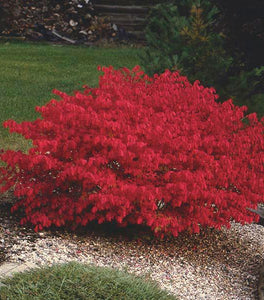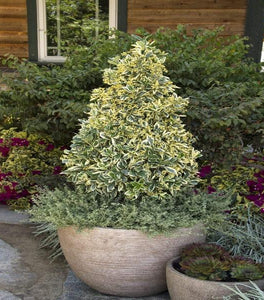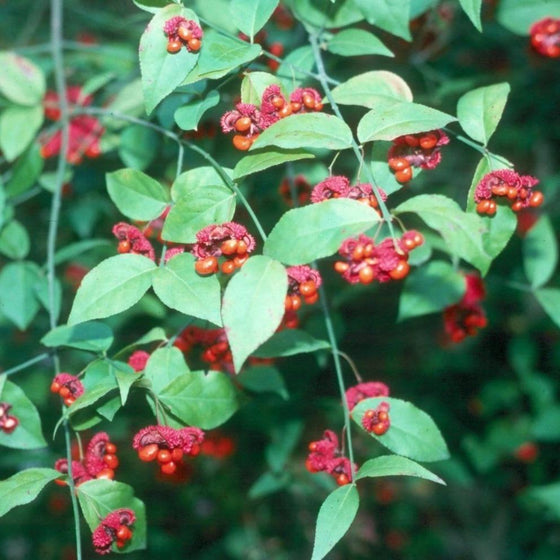


Images Depict Mature Plants
Euonymus Hearts-a-Bustin
Euonymus americanus
Euonymus Hearts-a-Bustin is the kind of native shrub that gives a landscape real personality. The fruit is what gets the attention, but the native character, wildlife value, and red fall foliage are what make it worth keeping in the garden for the long haul.

15% OFF FOR MOTHER'S DAY
Use Code MOMDAY15 At Checkout
📦 Free shipping on orders over $99.
Delay shipping by leaving us a message at Checkout.
Share:Recommended Add-Ons


A native woodland shrub with unforgettable fall fruit and strong seasonal character
A native shrub with one of the most unusual fruit displays in the landscape.
Euonymus Hearts-a-Bustin is best known for the bright red capsules that split open in fall to reveal vivid orange seeds. That fruit display is what gives the shrub its memorable common name, and it makes the plant feel playful, distinctive, and highly ornamental in woodland and naturalistic settings.
Seasonal interest starts before the fruit arrives.
In spring and summer, the plant carries green foliage and small greenish flowers that are not especially showy on their own, but they set the stage for the dramatic display that follows later in the season. As autumn approaches, the foliage turns red, adding another layer of color before the capsules fully take over the show.
A natural fit for woodland gardens and shaded borders.
Hearts-a-Bustin performs especially well in part shade and is a strong candidate for woodland gardens, shaded garden beds, and native borders. Its airy, open habit helps it blend naturally into less formal landscapes, where the unusual fruit can be appreciated without the plant feeling stiff or overly structured.
Wildlife value makes it even more useful.
This native shrub adds more than just ornamental interest. Its seeds attract birds and other wildlife in fall and winter, which makes it a strong option for gardeners who want to support biodiversity while also adding strong seasonal character to the landscape.
Easy care and native adaptability add to the appeal.
Euonymus Hearts-a-Bustin grows well in well-drained, slightly acidic soil and adapts to a range of garden conditions once established. It is generally low-maintenance, requires only light pruning, and works especially well where homeowners want a native shrub with a looser, more natural look rather than a tightly clipped evergreen form.
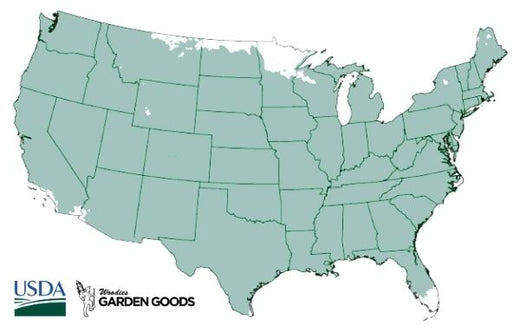
| Hardiness Zone: | 4-9 |
|---|---|
| Mature Height: | 6 to 8 feet |
| Mature width: | 8 to 10 feet |
| Sunlight: | Part shade to full shade preferred; can tolerate more sun with good moisture |
| Soil | Slightly acidic, well-drained soil; adaptable to a range of soil types |
| Water | Water well until established |
| Bloom Time / Color | Spring to early summer; inconspicuous greenish flowers |
| Foliage | Dark green foliage turning bright red in fall |
| Berry / Fruit | Bright red capsules that open to reveal orange seeds in fall |
| Ornamental Features | Red fall capsules, orange seeds, red fall foliage, airy native habit |
| Wildlife Value | Seeds attract birds and other wildlife |
| Resistance (deer/disease/drought/etc.) | Low maintenance; adaptable once established |
| Landscape Uses | Woodland gardens, native plantings, shaded borders, naturalistic plantings, specimen shrub use |
How to Care for Euonymus Hearts-a-Bustin
Before you buy an Euonymus 'Hearts-a-Bustin', make sure to read about the recommended care instructions to keep this plant healthy and thriving.

How should I plant Euonymus Hearts-a-Bustin?
Plant Euonymus Hearts-a-Bustin in part shade to full shade in well-drained soil enriched with organic matter. Dig a hole about twice as wide as the root ball and just as deep, set the shrub level with the surrounding soil, then backfill and water deeply to settle the roots. Space multiple shrubs about 3 to 5 feet apart if you want them to grow together naturally without overcrowding. Adding mulch around the base helps conserve moisture and suppress weeds, but keep mulch a few inches away from the trunk.

How often should I water Euonymus Hearts-a-Bustin after planting?
Water Euonymus Hearts-a-Bustin deeply right after planting, then keep the soil evenly moist during the first growing season while it establishes. In most landscapes, once or twice a week is a reasonable guide depending on rainfall and temperature. Once established, the plant becomes more drought-tolerant and generally needs less supplemental water. During prolonged dry periods, deep watering helps maintain healthier foliage and stronger seasonal performance.

When should I fertilize Euonymus Hearts-a-Bustin?
Fertilize Euonymus Hearts-a-Bustin in early spring before new growth begins. A balanced slow-release fertilizer is usually enough to support healthy roots, foliage, and overall growth. You can also improve the soil with compost or well-aged organic matter once or twice a year. Avoid over-fertilizing, since this shrub naturally performs best with moderate fertility rather than overly lush growth.

When and how should I prune Euonymus Hearts-a-Bustin?
Prune Euonymus Hearts-a-Bustin in late winter to early spring before new growth begins. Start by removing dead, damaged, or crossing branches to improve airflow and maintain a healthier framework. If the shrub becomes too leggy or overgrown, selective pruning can reduce its size and encourage bushier growth. It generally looks best with a light hand so its natural open habit can still show through.