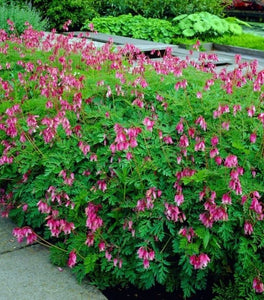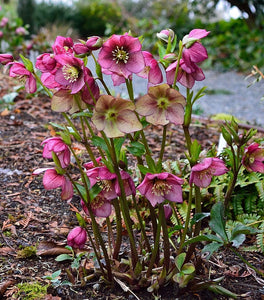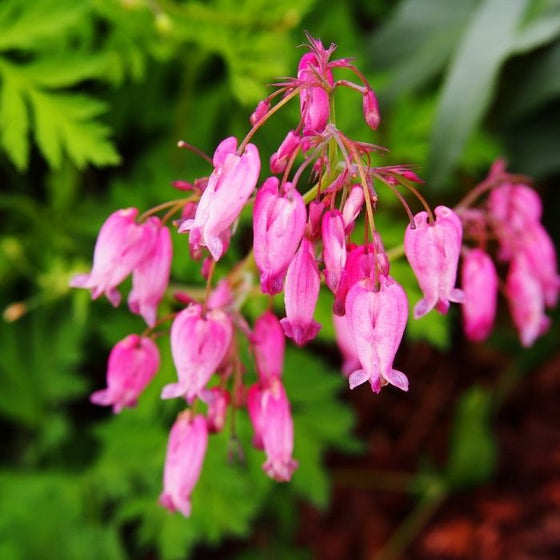


Images Depict Mature Plants
Dicentra eximia Wild Bleeding Heart
Dicentra eximia
Dicentra eximia is a wonderful native alternative to old-fashioned Bleeding Heart when you want something lower, softer, and more natural in the shade garden. The pink heart-shaped flowers still give you that classic Bleeding Heart charm, but the ferny foliage has a lighter woodland texture that blends beautifully with hostas, ferns, astilbe, heuchera, and carex. I especially like it along shaded paths or in native-style woodland borders where you can appreciate the flowers and foliage up close.

15% OFF FOR MOTHER'S DAY
Use Code MOMDAY15 At Checkout
📦 Free shipping on orders over $99.
Delay shipping by leaving us a message at Checkout.
Share:

Native Bleeding Heart for Woodland Shade Gardens
Pink heart-shaped flowers with native woodland charm.
Dicentra eximia, also called Wild Bleeding Heart or Fringed Bleeding Heart, produces clusters of drooping pink to purplish-pink, heart-shaped flowers that bring a soft, romantic look to shaded gardens. The blooms have the classic Bleeding Heart shape, but the plant feels more delicate and naturalistic than old-fashioned Bleeding Heart. It is an excellent choice for homeowners who want spring and early-summer flower color in woodland borders, shaded walkways, under-tree plantings, and native-style shade gardens.
A native perennial with a longer bloom window.
This eastern North American native perennial is valued for a longer bloom season than many classic spring ephemerals. Flowers can begin in spring and continue into summer when temperatures are mild, and moisture is consistent, giving the plant more staying power than old-fashioned Bleeding Heart in many garden settings. In hotter climates, bloom may slow during the peak of summer and return when cooler weather arrives, especially if the plant is protected from harsh afternoon sun.
Fern-like foliage for soft shade-garden texture.
Dicentra eximia has finely divided, fern-like foliage that gives shaded beds a delicate, layered texture before and after bloom. The leaves may appear blue-green, gray-green, or light green depending on growing conditions and source material, and they contrast beautifully with broader-leaved hostas, heuchera, hellebores, brunnera, astilbe, carex, and true ferns. With steady moisture and part shade, the foliage can remain attractive for much of the growing season, helping the plant function as both a flower and foliage perennial.
A natural fit for woodland gardens and shaded edges.
Wild Bleeding Heart thrives in part shade to full shade with rich, moist, well-drained soil. It is especially useful in woodland gardens, rocky shade, shaded foundation beds, naturalized areas, and the front of mixed shade borders where its low, mounding habit can be seen up close. Plant it in small groups for a stronger seasonal display, or repeat it through a border to create a soft rhythm of ferny foliage and nodding flowers.
Deer-resistant beauty with low-maintenance appeal.
Dicentra eximia is commonly considered deer-resistant and rabbit-resistant, making it a practical choice for shaded landscapes where browsing pressure can be frustrating. No plant is completely deer-proof, but Wild Bleeding Heart is generally not preferred when other food sources are available. Once established in the right site, it is a low-maintenance native perennial that rewards gardeners with soft texture, heart-shaped blooms, and a graceful woodland presence.
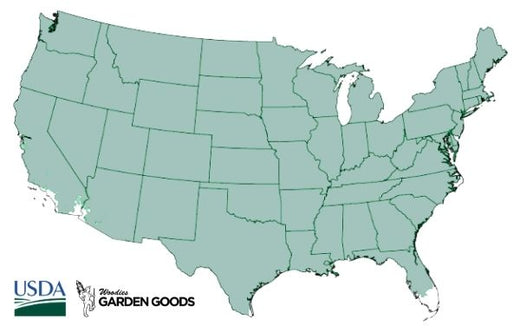
| Hardiness Zone: | 3-9 |
|---|---|
| Mature Height: | 12 to 18 Inches |
| Mature Width: | 12 to 18 Inches |
| Sunlight: | Part shade to full shade; tolerates some morning sun with consistent moisture |
| Soil | Rich, moist, well-drained soil; adapts to woodland soils, rocky woods, and ledges |
| Water Requirements: | Water regularly after planting; prefers even moisture but does not like wet winter soil |
| Bloom Time / Color | Spring into summer, often April to July; pink, magenta-pink, rose-pink, or purplish-red heart-shaped flowers |
| Ornamental Features | Heart-shaped flowers, long bloom season, fern-like foliage, compact mounding habit, native woodland texture |
| Wildlife Value | Flowers may attract hummingbirds, bees, and early-season pollinators in some garden settings |
| Resistance | Deer resistant and rabbit resistant in many landscapes; shade tolerant and low maintenance in moist, well-drained soil |
| Landscape Uses | Woodland gardens, native shade gardens, shade borders, cottage gardens, foundation beds, shaded walkways, under open-canopy trees, rocky shade, naturalized plantings, and mixed perennial beds |
How to Care for Dicentra eximia Wild Bleeding Heart
After purchasing your Wild Bleeding Heart, read these planting instructions to ensure your plant is happy and healthy.
-v1777575613021.png?92x91)
How should I plant Dicentra eximia?
Plant Dicentra eximia in part shade to full shade with rich, moist, well-drained soil. A site with morning sun and afternoon shade, filtered light, or bright open shade is ideal, especially in warmer climates where harsh afternoon sun can stress the foliage. Dig a hole about twice as wide as the root ball and set the crown level with the surrounding soil. Backfill, water deeply, and space plants about 12 to 18 inches apart so the compact clumps have room to mature and fill in naturally.
-v1777575641207.png?89x84)
How often should I water Dicentra eximia after planting?
Water Dicentra eximia regularly during the first growing season while the roots establish. Keep the soil evenly moist during spring growth and bloom, but avoid soggy conditions or wet winter soil because the roots still need good drainage. Once established, Wild Bleeding Heart performs best with steady moisture, especially during warm weather. Consistent watering can help the foliage remain attractive longer and support a longer bloom season in shaded garden beds.
-v1777575658242.png?90x89)
When should I fertilize Dicentra eximia?
Fertilize Dicentra eximia lightly in spring with compost, leaf mold, or a balanced slow-release fertilizer. Rich organic matter helps mimic woodland soil conditions and supports healthy foliage and flower production. Avoid heavy feeding, especially with high-nitrogen fertilizer, because it can encourage soft growth. A yearly compost mulch is usually enough to feed the plant, conserve moisture, and keep the root zone cool.

When and how should I prune Dicentra eximia?
Prune Dicentra eximia by removing spent flower stems if you want a cleaner look or want to reduce self-seeding. The fern-like foliage can be left in place as long as it remains attractive and green. If foliage becomes tired in summer heat, trim back damaged or yellowing leaves to refresh the plant’s appearance. Cut the plant back fully in late fall after frost or in early spring before new growth begins.