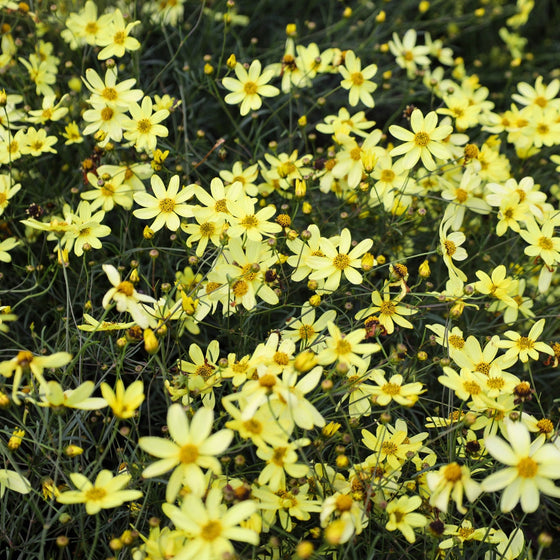
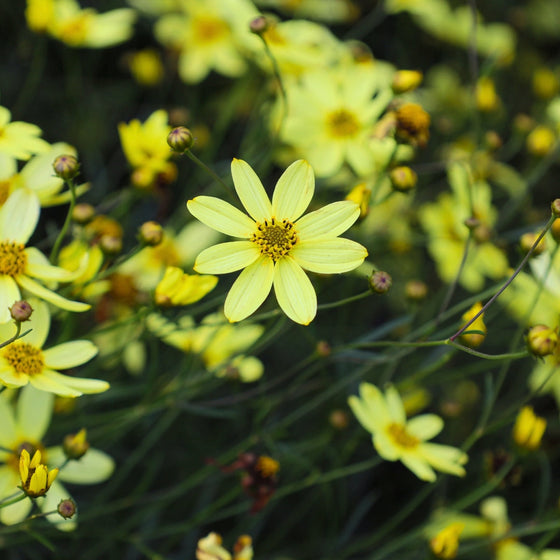
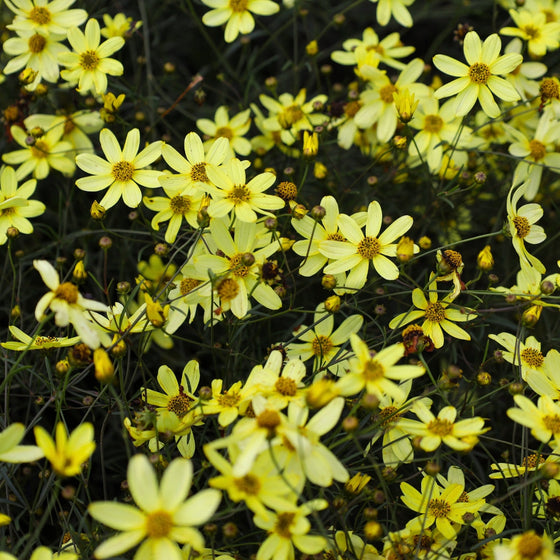


Images Depict Mature Plants
Moonbeam Coreopsis
Coreopsis verticillata 'Moonbeam'
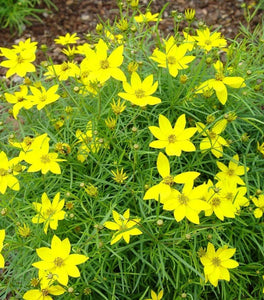
Moonbeam Coreopsis is one of those perennials that quietly earns its place because it blooms for a long time, blends with almost anything, and asks for very little once established. The soft yellow flowers are easy to design with, and the fine foliage gives sunny borders a light, airy texture that works beautifully with grasses, coneflowers, salvia, and yarrow. I especially like it in groups along the front of a border, where the color can repeat and carry the garden through summer.

15% OFF FOR MOTHER'S DAY
Use Code MOMDAY15 At Checkout
📦 Free shipping on orders over $99.
Delay shipping by leaving us a message at Checkout.
Share:Recommended Add-Ons



Soft Yellow Blooms for Sunny, Low-Maintenance Gardens
Soft lemon-yellow flowers all summer.
Moonbeam Coreopsis produces masses of pale yellow, daisy-like flowers that give sunny gardens a soft, glowing look from early summer into late summer, often continuing longer with light deadheading. The color is gentle rather than harsh, making it easy to blend with bolder perennials like coneflowers, salvia, bee balm, black-eyed Susans, yarrow, and ornamental grasses. This is a great choice for homeowners who want a dependable yellow flower color without overwhelming the rest of the planting design.
Airy threadleaf foliage with fine garden texture.
This threadleaf Coreopsis is valued just as much for its delicate foliage as for its flowers. The finely divided green leaves create a soft, airy mound that contrasts beautifully with broad-leaved perennials, upright grasses, and bold flowering plants. Even before the flowers open, Moonbeam Coreopsis helps lighten the look of sunny borders and adds a relaxed, natural movement that works well in cottage gardens, pollinator plantings, and meadow-style designs.
A long-blooming perennial for pollinator gardens.
Moonbeam Coreopsis attracts butterflies, bees, and other beneficial pollinators during its long bloom season. Planting it in groups creates a stronger visual impact and provides pollinators with an easy-to-find nectar source throughout the summer months. It's open, daisy-like flowers fit naturally into butterfly gardens, wildlife-friendly borders, and sunny perennial beds where homeowners want both color and ecological value.
Tough, drought-tolerant, and deer-resistant.
Once established, Moonbeam Coreopsis handles heat, humidity, dry soil, and lean garden conditions better than many fussier flowering perennials. It performs best in full sun and well-drained soil, and it is especially useful in rock gardens, curbside beds, dry borders, and low-water plantings. It is also considered deer-resistant, making it a practical option where browsing pressure can be a concern, though no plant is completely deer-proof.
Easy to use in borders, containers, and mass plantings.
Moonbeam Coreopsis stays compact enough for placement in the front-to-middle border while still producing enough flowers to make a strong seasonal display. Use it as edging, repeat it through a sunny border, plant it in drifts, or tuck it into containers with excellent drainage for soft summer color. A light trim after the first heavy bloom cycle can refresh the plant, encourage more flowers, and keep the mound looking neat.
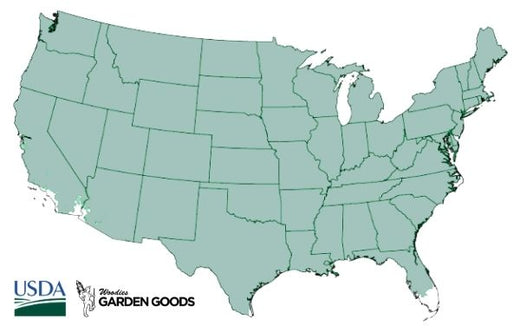
| Hardiness Zone: | 3-9 |
|---|---|
| Mature Height: | 12 to 24 Inches |
| Mature Width: | 18 to 24 inches |
| Sunlight: | Full sun; tolerates light shade, especially in hot climates |
| Soil | Well-drained soil; adapts to average, poor, dry, sandy, rocky, or lean soils |
| Water | Water regularly after planting; drought tolerant once established |
| Bloom Time / Color | Early summer into late summer; pale lemon-yellow to soft yellow daisy-like flowers |
| Ornamental Features | Pale yellow flowers, airy foliage, long bloom season, compact mounding habit, cut flower value |
| Wildlife Value | Attracts butterflies, bees, and other beneficial pollinators |
| Resistance | Deer resistant, drought tolerant once established, heat tolerant, humidity tolerant, and generally low maintenance |
| Landscape Uses | Sunny borders, pollinator gardens, butterfly gardens, cottage gardens, rock gardens, dry gardens, edging, containers, mass plantings, cut flower gardens, and low-water landscapes |
How to Care for Moonbeam Coreopsis
Be sure to read our planting instructions to ensure a healthy and happy Coreopsis Moonbeam for years to come!
-v1777554705706.png?92x91)
How should I plant Moonbeam Coreopsis?
Plant Moonbeam Coreopsis in full sun with well-drained soil. It can tolerate light shade, especially in very hot climates, but the strongest flowering usually happens where the plant receives at least 6 hours of direct sunlight per day. Dig a hole about twice as wide as the root ball and set the crown level with the surrounding soil. Backfill, water deeply, and space plants about 18 to 24 inches apart to allow the mounds room to mature and to maintain good airflow.
-v1777554728285.png?89x84)
How often should I water Moonbeam Coreopsis after planting?
Water Moonbeam Coreopsis regularly during the first growing season while the roots establish. Keep the soil lightly moist after planting, but avoid soggy conditions because Coreopsis performs best in well-drained soil. Once established, Moonbeam Coreopsis becomes drought tolerant and usually needs less supplemental water than many flowering perennials. During extended heat or drought, water deeply as needed, then allow the soil to dry slightly between waterings.
-v1777554740594.png?90x89)
When should I fertilize Moonbeam Coreopsis?
Fertilize Moonbeam Coreopsis lightly in spring only if your soil is very poor. In most garden beds, compost or a light application of balanced, slow-release fertilizer is enough to support healthy growth and flowering. Avoid heavy fertilizing, which can encourage floppy growth and reduce the plant’s naturally tidy habit. Moonbeam Coreopsis often performs best in average to lean soil with full sun and good drainage.

When and how should I prune Moonbeam Coreopsis?
Prune Moonbeam Coreopsis by deadheading spent blooms or lightly shearing the plant after its first heavy flush of flowers. This helps refresh the foliage, keep the mound tidy, and encourage additional blooming. Cut the plant back in late fall after frost or in early spring before new growth begins. If the center becomes thin or the clump declines after several years, divide the plant in spring to refresh growth.