


Images Depict Mature Plants
Blue Billow Hydrangea for Compact Lacecap Blooms, Shade-Friendly Color, and Burgundy Fall Foliage
Lacecap Blooms That Start Soft Blue And Finish With Drama
Blue Billow Hydrangea delivers that classic lacecap look—airy rings of showy florets framing a clustered center—, so it feels elegant, natural, and “garden-authentic,” not stiff or formal. The flower heads open light blue and hold their beauty for weeks in early to mid-summer, giving you a long window of color that blends beautifully with ferns, hostas, astilbe, and other shade-loving companions.
As the season progresses, the blooms deepen and can take on richer tones as they age, adding extra interest instead of fading out. It’s the kind of shrub that looks better the longer you live with it: early-season freshness, mid-season glow, and a more complex finish that makes mixed borders feel layered and intentional—especially in woodland-style beds and filtered shade.
Compact Size That Fits Borders, Foundation Beds, And Small Gardens
If you love hydrangeas but don’t have room for a big shrub, Blue Billow is a smart solution. It matures in a manageable, landscape-friendly size—typically around 2.5 to 3.5 feet tall and 2.5 to 3.5 feet wide—so it’s easy to tuck into borders, brighten a foundation bed, or repeat along a walkway without swallowing the space.
That compact habit also makes your design options wider: use one as a focal point in a mixed border, plant a small grouping for a soft, flowering “drift,” or place it near a patio where you can enjoy the blooms up close. Because it stays dense and upright, it reads neat even in more formal settings—yet it still has that relaxed, woodland charm that lacecap hydrangeas do so well.
A Filtered-Light Favorite For Wooded Edges And Part Shade Beds
Blue Billow is at its best in part shade—think morning sun with afternoon shade, or dappled light under tall trees. That’s where the foliage stays richest, the plant looks lush, and summer heat feels less punishing. It’s a natural pick for wooded edges, north or east-facing beds, and any spot where you want dependable flowering without cooking the plant in harsh late-day sun.
Once established, it’s considered low-maintenance and can handle typical garden conditions as long as the soil drains well. Add compost at planting to improve moisture balance, and mulch to keep the root zone cooler and more consistent. In return, you get a flowering shrub that looks “at home” in shade gardens—polished enough for front beds, and natural enough for woodland borders.
Seasonal Interest Beyond Blooms With Beautiful Foliage Color
Blue Billow isn’t a one-season wonder. After the summer flower show, the plant delivers a surprising second act: its foliage can shift toward burgundy tones as the season moves into fall, adding warmth and contrast to mixed plantings. That makes it especially valuable in shade gardens where fall color can sometimes be limited to a few reliable performers.
Care stays simple: keep it watered well until established, then maintain steady moisture during prolonged heat or drought for the best look. The most important “don’t” is pruning at the wrong time—this hydrangea flowers on old wood, so pruning should happen right after flowering if needed. Get that timing right, and Blue Billow becomes an easy, repeatable choice you’ll want to use in more than one spot.
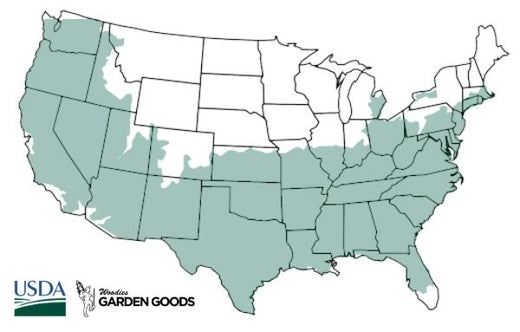
| Hardiness Zone: | 6-9 |
|---|---|
| Mature Height: | 2.5 to 3.5 feet |
| Mature Width: | 2.5 to 3.5 feet |
| Sunlight: | Best in part shade (filtered light; morning sun ideal) |
| Bloom Time / Color | Early to mid-summer; blue lacecap flowers that deepen as they age |
| Pruning Season: | Prune immediately after flowering, flowers on old wood |
| Soil Condition: | Any well-drained soil; compost-enriched is ideal |
| Water Require: | Water well until established; moderate moisture thereafter |
| Wildlife Value | Can attract pollinators during bloom; adds garden habitat in mixed beds |
| Resistance | Low-maintenance; not reliably deer resistant; improved drought tolerance once established |
| Landscape Uses | Mixed borders, mass plantings, woodland edges, specimen shrub, foundation beds, part-shade gardens |
How to Care for Blue Billow Hydrangea
Be sure to read our planting instructions to ensure a healthy and happy Blue Billow Hydrangea for years to come!
-v1770648035861.png?92x91)
How should I plant Blue Billow Hydrangea?
Plant Blue Billow in part shade—ideally morning sun with afternoon shade or filtered light. Dig a hole about twice as wide as the root ball, set the plant so the top of the root ball is level with the surrounding soil, and backfill with native soil amended with compost. Water deeply to settle the soil and remove air pockets. Finish with 2–3 inches of mulch to stabilize moisture and protect roots, keeping mulch a few inches away from the stems. This shrub performs best when the soil drains well but doesn’t bake dry, so avoid the hottest, most reflective locations. Give it room to mature without crowding neighboring plants for the healthiest growth.
-v1770648060604.png?89x84)
How often should I water Blue Billow Hydrangea after planting?
Water deeply right after planting, then keep the root zone evenly moist for the first several weeks. A good starting point is one to two deep waterings per week, adjusting for rainfall, heat, and how quickly your soil drains. The goal is moist soil—not soggy soil—while the plant establishes a strong root system. After establishment, Blue Billow becomes easier to care for, but it looks best with consistent moisture during hot spells and bloom time. Water at the base to keep foliage drier and reduce stress. Mulch is your best friend here—it helps prevent the dry/wet swings that can cause wilting and reduce overall performance.
-v1770648078764.png?90x89)
When should I fertilize Blue Billow Hydrangea?
Fertilize in spring as new growth begins using a balanced, slow-release shrub fertilizer, or top-dress with compost for a gentler approach. Spread it over the root zone (not against the stems) and water afterward so nutrients move into the soil where roots can use them. If your soil is lean, a light second feeding in early summer can support strong foliage and bloom performance. Avoid heavy late-season fertilizing, which can push tender growth when the plant should be slowing down for fall. Steady, moderate feeding keeps the shrub healthy without making it overly soft and thirsty.

When and how should I prune Blue Billow Hydrangea?
Prune Blue Billow immediately after flowering if you need to shape it, because it blooms on old wood. That timing protects next year’s flower buds, which begin forming after the bloom period. If the plant is the right size for the space, you can keep pruning minimal and focus on simple cleanup. In early spring, remove only dead wood and any winter-damaged stems. Avoid hard pruning in fall, winter, or early spring if you want the fullest bloom show. When in doubt: light cleanup in spring, shaping right after flowering, and otherwise let the shrub keep its flowering stems.