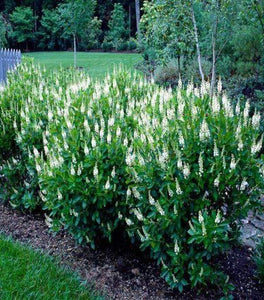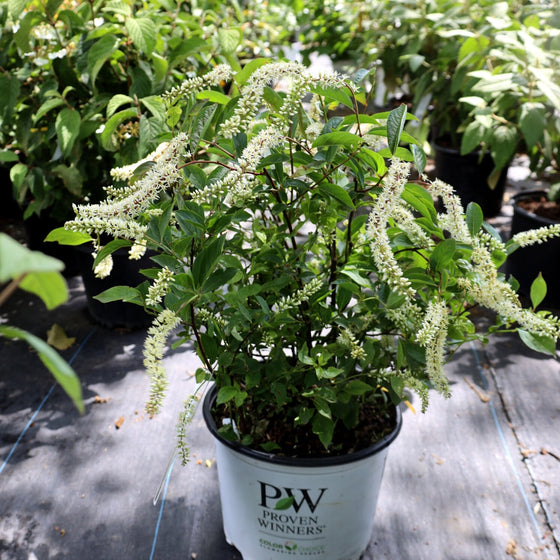

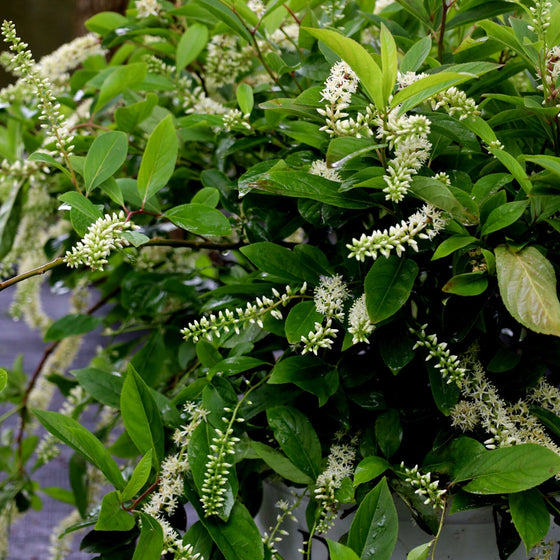
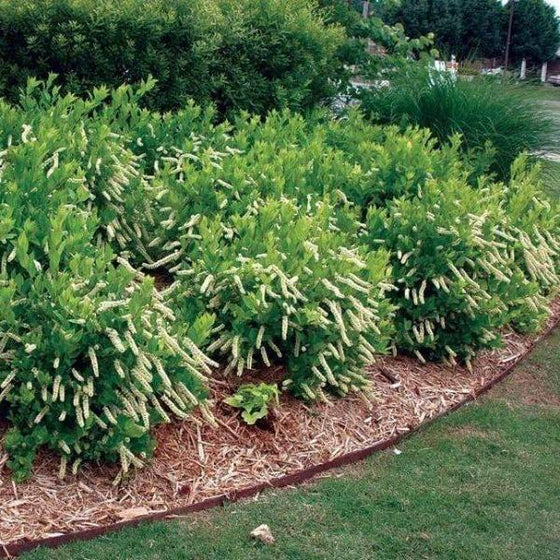


Images Depict Mature Plants
Little Henry® Sweetspire
Itea virginica 'Sprich'
Little Henry® Sweetspire is one of those shrubs that is easy to recommend because it does so many things well. It stays compact, blooms with a nice fragrance, colors up beautifully in fall, and handles damp spots better than a lot of flowering shrubs homeowners usually look at first.

15% OFF SITEWIDE, USE CODE 'FALLPLANT15'
📦 Free shipping on orders over $99.
Delay shipping by leaving us a message at Checkout.
Share:


Fragrant Native Beauty with Brilliant Fall Color in a Compact Shrub
A native shrub that brings beauty across multiple seasons
Little Henry® Sweetspire is a strong choice for homeowners who want a compact native shrub that keeps the landscape interesting well beyond a single bloom period. In late spring to early summer, it offers elegant white flower spikes, and by fall it shifts into a vivid display of orange, red, and purple-toned foliage. That multi-season appeal makes it one of the most useful native shrubs for residential landscapes.
Fragrant white flowers add softness and charm in bloom season
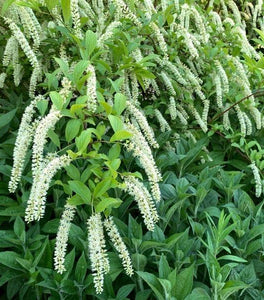
One of the biggest reasons homeowners choose Little Henry® Sweetspire is its flower show. The lightly fragrant white flower spikes appear in late spring into early summer and create a graceful, airy look that works beautifully near walkways, patios, and entry beds where the scent and bloom detail can be appreciated up close.
Fall color gives it a powerful second season
After flowering, Little Henry® Sweetspire continues to perform with some of its best ornamental value arriving in autumn. The foliage turns bright shades of orange, red, and sometimes purple, giving this shrub a strong late-season presence and making it much more than just a spring-blooming plant.
Excellent for borders, foundations, and rain gardens
Its compact habit makes Little Henry® Sweetspire especially easy to use in smaller landscapes. It works beautifully in foundation beds, front-of-border placements, native shrub groupings, mass plantings, and rain gardens, and it is also a smart option for moist sites where many flowering shrubs struggle.
Easy to grow and nicely suited to real-world landscapes
Little Henry® Sweetspire performs well in full sun to part shade and tolerates occasional wet soil while also adapting to average garden conditions once established. It is commonly described as deer resistant, attracts pollinators, and offers a practical mix of fragrance, fall color, and landscape toughness without needing constant maintenance.
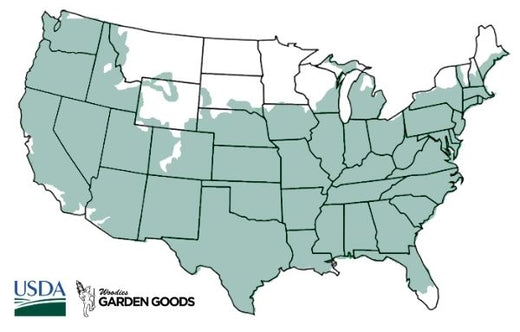
| Hardiness Zone: | 5-9 |
|---|---|
| Mature Height: | 2 to 3 Feet |
| Mature width: | 2 to 3 Feet |
| Sunlight: | Full sun to part shade |
| Soil: | Slightly acidic, well-drained soil; tolerates occasional wet conditions |
| Water: | Water well until established; appreciates consistent moisture |
| Bloom Time / Color: | Late spring to early summer; lightly fragrant creamy-white flowers |
| Foliage: | Dark green foliage with brilliant red-orange to purple fall color |
| Ornamental Features: | Fragrant flower spikes, compact habit, excellent fall color |
| Wildlife Value: | Native shrub that attracts bees, butterflies, and pollinators |
| Resistance (deer/disease/drought/etc.): | Commonly described as deer resistant; wet-soil tolerant; low maintenance |
| Landscape Uses: | Borders, foundation beds, rain gardens, mass plantings, pathway edges, native shrub plantings |
How to Care for Little Henry® Sweetspire
After purchasing your Little Henry® Sweetspire, be sure to read our recommended care instructions to ensure a healthy and happy plant for years to come.

How should I plant Little Henry® Sweetspire?
Plant Little Henry® Sweetspire in full sun to part shade in slightly acidic soil with good drainage, though it can also tolerate sites that stay occasionally wet. Dig a hole about twice as wide as the root ball and no deeper than the root ball itself, then set the plant so the top of the root ball sits level with or slightly above the surrounding soil. Backfill with native soil, water deeply, and add mulch around the base to help hold moisture and reduce weed competition. This shrub is especially useful in beds that get consistent moisture, so it is a strong option for rain gardens, low spots, and foundation plantings with steadier soil moisture.

How often should I water Little Henry® Sweetspire after planting?
Water Little Henry® Sweetspire deeply right after planting, then keep the soil evenly moist during the first growing season while the roots establish. In most landscapes, that means watering about once or twice per week depending on rainfall, drainage, and summer heat. Once established, this shrub is more adaptable than many flowering shrubs and handles moist conditions very well. It still benefits from consistent moisture during long dry stretches, especially if you want the strongest foliage and flower performance.

When should I fertilize Little Henry® Sweetspire?
Fertilize Little Henry® Sweetspire lightly in early spring if needed, using a balanced slow-release fertilizer for shrubs. A modest feeding can support healthy new growth, strong foliage, and reliable flowering without forcing weak, overly lush growth. In many landscapes, this shrub does not need heavy feeding to perform well. Mulch, compost, and proper watering usually do more for long-term success than aggressive fertilizer use.

When and how should I prune Little Henry® Sweetspire?
Prune Little Henry® Sweetspire after flowering if shaping is needed. Since it blooms on old wood, pruning right after the bloom period helps preserve next season’s flower potential while keeping the shrub neat and compact. Most homeowners only need occasional light shaping or the removal of dead and crowded stems. In mass plantings or naturalistic borders, it often looks best with minimal pruning so the plant can keep its graceful, relaxed habit.