
Valentine’s Day Gifts for Plant Lovers & Garden Enthusiasts
Love that keeps growing, delivered.
Valentine’s Day doesn’t have to be a “one-and-done” bouquet. If you want a gift that feels personal (and keeps getting better), send a living plant that blooms now, greens up the windowsill, or turns into a spring show outside. This collection is built for real romance: pink and red cyclamen that light up winter rooms, bold anthuriums that keep pushing color, and foliage favorites like philodendrons, peperomias, and syngoniums that grow right along with the relationship. And if you want the classic move with a twist, we’ve got knockout roses that flower on repeat and early-season stars like hellebores and camellias that make February and March feel like a promise.
When you order from Garden Goods Direct, you’re not just sending “a plant”—you’re sending confidence. We pack and ship so your gift arrives ready to impress, and we’re here if your Valentine has questions after the unboxing (because the best gifts come with a little expert backup). That’s the spirit of our We Grow Together Promise: we want this plant to thrive, not just arrive. If you can’t decide, gift cards make it easy for them to pick the plant that fits their light, style, and schedule.


Lavender Topiary (Lavandula x intermedia ‘Provence’)
$29.95






Send a living gift that blooms now and keeps growing.
Valentine’s Day shopping is easier when the gift already says what you mean—thoughtful, lasting, and a little bit magical. This collection mixes instant gratification (blooming cyclamen and anthuriums) with plants that settle in and become part of the home (philodendrons, peperomias, syngoniums, and other easy indoor growers). It’s the sweet spot between “wow today” and “still beautiful next month.”
If your valentine is more “garden dreamer” than “houseplant collector,” we’ve got outdoor-ready romance too. Knock Out® roses can bloom from spring into frost with the right sun, and early-season bloomers like hellebores and camellias show off when the rest of the landscape is still waking up. Add a flowering tree like Ruby Falls® redbud or Magnolia ‘Ann,’ and you’re gifting spring itself—weeks of color, plus a plant that becomes a landmark in the yard.
And for the “let them choose” win (or if you’re shopping last-minute without looking last-minute), gift cards keep it simple while still feeling meaningful. Pair a gift card with a note like “Pick something that blooms every year,” and you’ve turned Valentine’s Day into a shared plan for the seasons ahead.
Gorgeous color, lush foliage, and real plant personality.
Let’s talk looks—because this collection is built to make hearts skip. Cyclamen are famous for cheerful, upright blooms that thrive in cooler indoor conditions, making them a standout when it’s gray outside. Anthuriums bring that glossy, sculptural “tropical bouquet” vibe with long-lasting spathes, while statement foliage plants (think pink-and-cream Stromanthe ‘Triostar’ and richly colored philodendrons) add drama even when they’re not flowering.
For classic romance, roses are still undefeated—and the modern shrub types in this collection are all about performance. Knock Out® roses are known for dependable bloom cycles and an easygoing habit compared with fussier roses, and Drift® roses stay low and spreading for color that reads like a living ribbon along beds and borders. If your valentine loves “pretty, but practical,” these are the plants that deliver.
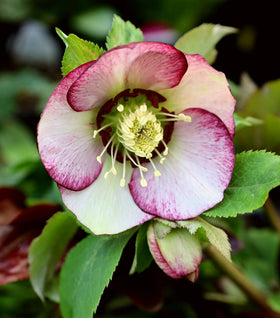
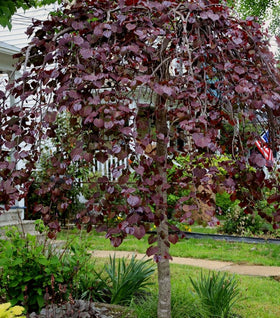
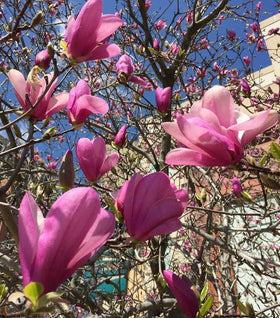
Then there are the early spring headliners: hellebores (often called Lenten roses) bloom in late winter into spring, and Camellia ‘April Kiss’ brings rose-pink flowers very early in spring on an evergreen shrub. Magnolia ‘Ann’ blooms in April–May with showy purple-red flowers, and Ruby Falls® redbud brings a spring bloom moment on a compact, weeping form—small-yard friendly, big impact.
Plant-ready placements that make your gift thrive.
For indoor gifts, aim for bright, indirect light for most of the houseplants in this collection—anthuriums and many foliage favorites do best there, and it’s the easiest recipe for healthy growth and better blooming. Cyclamen are happiest when kept cool and given bright, indirect light, which makes them perfect near a sunny window that doesn’t bake in the afternoon heat. Think: kitchen nook, bedroom dresser, or a bright office—places where the plant becomes part of daily life.
For outdoor gifts, match the plant to the mission. Knock Out® roses want real sun (plan on 6+ hours) for the best bloom show, while camellias generally bloom and grow best in partial shade—especially morning sun with protection from hot afternoon exposure. Magnolia ‘Ann’ handles full sun to part shade and shines as a specimen or near an entry, and Ruby Falls® redbud is a spring-flowering accent that’s ideal when you want beauty without a huge footprint.
Spacing is your secret weapon for “instant impact” that still looks great years from now. Give hellebores about 18–24 inches so clumps can fill in, space Drift® roses roughly 2–3 feet for a clean groundcover look, and use mature width as your guide for shrubs like camellias (Camellia ‘April Kiss’ is listed at roughly 3–4 feet wide at maturity). For small ornamental trees, leave breathing room from structures—redbuds are commonly planted with several feet of clearance so the canopy can show off.
Simple care that keeps the romance low-maintenance.
Indoors, the big wins are drainage, restraint, and routine. Anthuriums like watering when the potting mix is partly dry (not constantly wet), and many trailing houseplants are happiest with bright, indirect light and a “water, then let it breathe” rhythm. If you’re gifting a Stromanthe ‘Triostar,’ know it prefers warm, humid conditions with indirect light—and consistent moisture without soggy soil (it’s stunning, but it appreciates a little extra care).
Outdoors, the care story stays refreshingly simple: sun + water to establish + smart pruning. Knock Out® roses are typically pruned in late winter to early spring as new growth starts, which helps keep them full and blooming hard. Lavender is best pruned after flowering (with light shaping as needed), and spring-flowering shrubs like camellias are generally shaped after bloom, so you don’t accidentally remove next season’s buds.