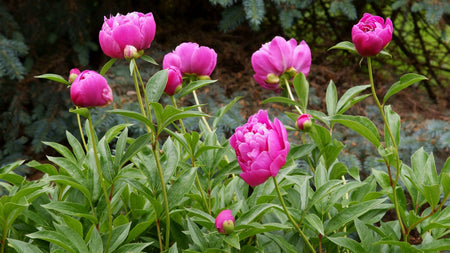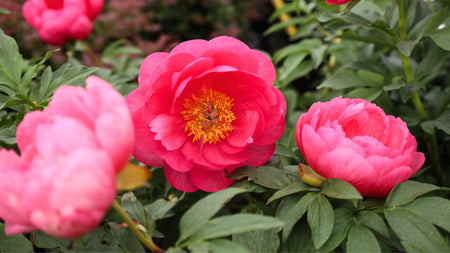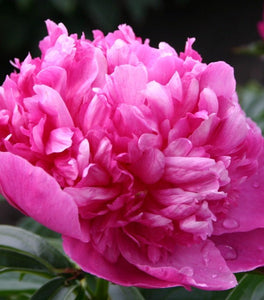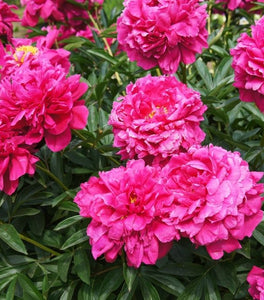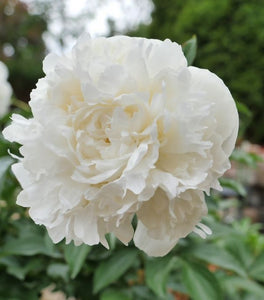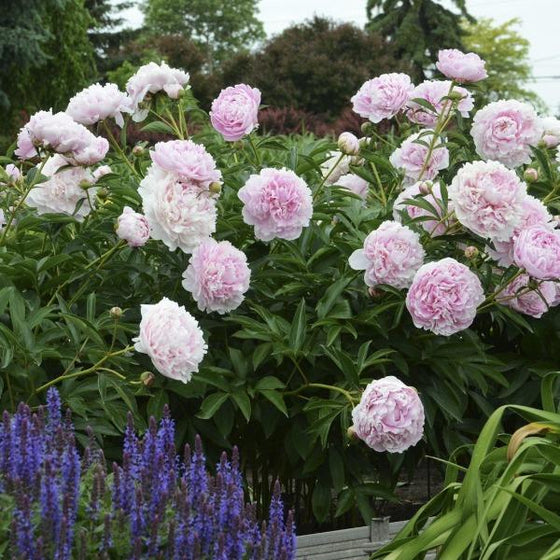
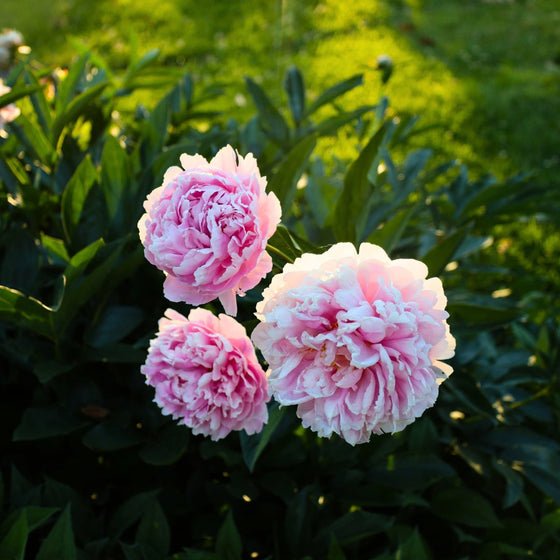
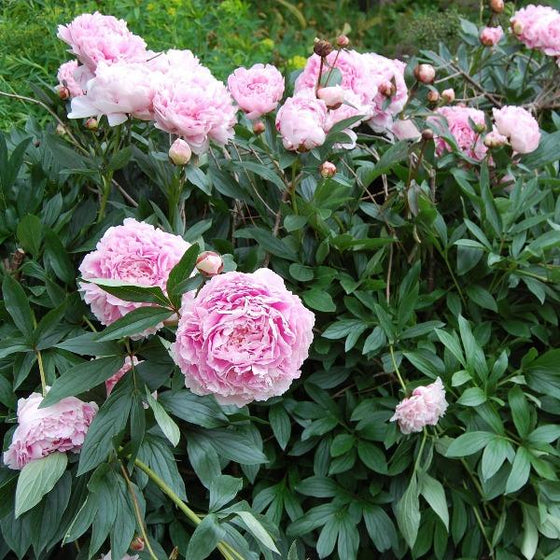
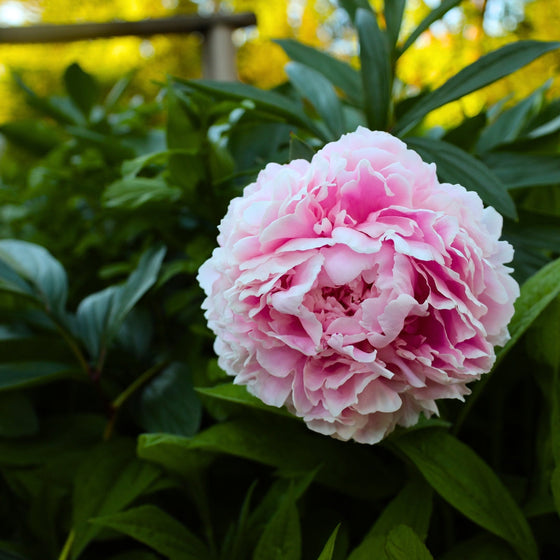


Images Depict Mature Plants
Sarah Bernhardt Peony
Paeonia lactiflora 'Sarah Bernhardt''
I’ll never get tired of Sarah Bernhardt; those huge, fragrant, ruffled pink blooms feel like the garden is throwing a party, and you only need a couple stems inside to make the whole house smell like late spring. Give it sun, don’t plant it too deep, and space it so air moves through the clump, and it will reward you for years with florist-quality cut flowers right from your own beds.

Take 15% OFF SITEWIDE
Use Coupon Code: MADNESS15
📦 Free shipping on orders over $99.
Delay shipping by leaving us a message at Checkout.
Share:



Legendary Fragrant Pink Peony With Show-Stopper Double Blooms
Big, Fragrant Double Blooms That Feel Like A Celebration
Sarah Bernhardt Peony is the classic “one bloom in a vase, and the whole room feels prettier” perennial. Each late-spring flower opens into a full, double, rose-pink ruffle with a rich fragrance that’s instantly recognizable. It’s the kind of bloom that makes a garden feel established—romantic, generous, and timeless, whether you tuck it into a perennial border or let it stand alone as a focal point.
Because the flowers are large and lush, they make a serious impact without requiring a large planting. A single clump can carry an entire corner of the garden when it’s in bloom. And even after the flowers fade, the glossy green foliage stays attractive through the growing season, giving your beds a neat, full look that pairs beautifully with roses, catmint, salvia, and ornamental grasses.
A Cut-Flower Favorite With Classic Garden Credibility
If you love bringing flowers indoors, this is one of the best peonies you can plant. The blooms are celebrated for arrangements; cut them in the soft-bud stage, and you’ll get that signature “big reveal” indoors as the petals unfurl. The color reads soft and elegant (not loud), making it easy to mix with whites, purples, or even simple greenery for a clean, high-end look.
In the landscape, Sarah Bernhardt fits both polished and cottage styles. Plant it along a walkway, near a patio, or where you’ll catch the fragrance as you pass. It’s also a natural partner for spring bulbs: peonies emerge as bulbs finish, covering fading bulb foliage and carrying the seasonal baton from early spring into late spring with confidence.
Long-Lived, Low-Fuss Perennial That Returns Bigger Each Year
Peonies are famous for longevity, and Sarah Bernhardt is an “invest once, enjoy for years” plant when it’s sited well. Give it sun, well-drained soil, and a spot where it can stay put, and it will build into a fuller clump over time. It’s also deer-resistant, which makes it especially valuable in landscapes where browsing pressure limits your flower choices.
The biggest secret to easy peony success is leaving it undisturbed. Avoid constantly moving it around the garden, and you’ll be rewarded with more blooms and stronger growth. If your soil is heavy, improve drainage with compost and avoid waterlogged spots. Once established, peonies are surprisingly resilient. Just keep competition down around the crown and maintain a light mulch that doesn’t bury the plant.
Better Blooms Start With Proper Spacing And Simple Support
Those huge double flowers can get heavy, especially after rain, so a little planning makes the plant look its best. Space plants so air moves through the foliage, which helps reduce disease pressure and keeps stems sturdier. In most gardens, that means giving Sarah Bernhardt roughly 30–36 inches of room between plants, depending on whether you want a fuller mass or distinct clumps.
If your site is windy or your soil is very rich (which can make stems softer), add a discreet peony ring or support early in the season so stems grow through it naturally. Then, after flowering, simply deadhead spent blooms and let the foliage do its job, feeding next year’s flower buds. With the right spacing and a touch of support, you get that “florist peony” look outdoors, upright, full, and effortlessly elegant.
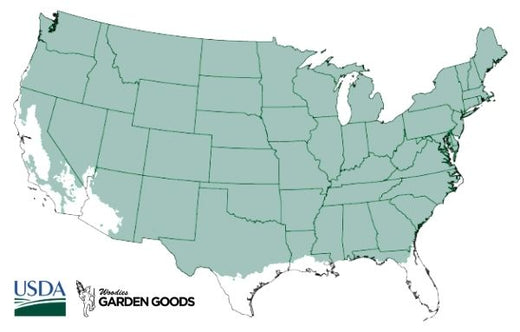
| Hardiness Zone: | 3-8 |
|---|---|
| Mature Height: | 30 to 36 Inches |
| Mature Width: | 24 to 36 Inches |
| Sunlight: | Full sun; part shade in warmer climates |
| Water Requirements: | Average; keep evenly moist while establishing |
| Soil | Fertile, well-drained soil |
| Bloom Time / Color | Late spring to early summer; double rose-pink, fragrant |
| Wildlife Value | Flowers attract pollinators |
| Resistance (deer/disease/drought/etc.) | Deer resistant; may need staking in rain/wind |
| Landscape Uses | Perennial borders, foundation beds, cutting gardens, cottage gardens, walkway edging |
How to Care for Sarah Bernhardt Peony
Before you buy a Sarah Bernhardt Peony Plants, make sure to read about the care instructions that are recommended to keep this plant healthy and thriving.
-v1745246300175.png?92x91)
How should I plant Sarah Bernhardt Peony?
Plant Sarah Bernhardt Peony in full sun (or light afternoon shade in hotter climates) in well-drained soil. Dig a wide hole, loosen the soil, and mix in compost if your soil is lean. Set the root so the “eyes” (pink buds) are close to the surface—planting too deep is the #1 reason peonies don’t bloom. Water deeply to settle the soil, then mulch lightly to hold moisture—keeping mulch off the crown so the buds aren’t buried. Choose a permanent spot where the plant can stay for years, because peonies bloom best when they’re not disturbed or frequently moved.
-v1745246309080.png?89x84)
How often should I water Sarah Bernhardt Peony after planting?
Water deeply right after planting, then keep the soil evenly moist (not soggy) during the first growing season. In most gardens, that means a deep soak about 1–2 times per week when rainfall is light, with extra attention during hot, windy periods. Once established, peonies are fairly self-sufficient, but they perform best with deep watering during extended drought—especially in spring while stems and buds are forming. Water at the base to keep foliage drier and help reduce disease pressure.
-v1745246316928.png?90x89)
When should I fertilize Sarah Bernhardt Peony?
Fertilize in early spring as new shoots emerge, using a balanced slow-release fertilizer or a compost top-dress around the plant. Keep fertilizer off the crown and focus on feeding the root zone, not pushing soft, leafy growth. A second light feeding after bloom (or just compost and mulch renewal) can help replenish energy for next year’s buds, especially in sandy or depleted soils. Avoid heavy, high-nitrogen fertilizing, which can increase foliage at the expense of flowers.

When and how should I prune Sarah Bernhardt Peony?
After flowering, deadhead spent blooms back to a strong leaf to keep the plant tidy, but leave the foliage intact through summer and early fall. Those leaves are actively feeding the root system and building next year’s bloom performance. In late fall after frost, cut stems back to the ground and remove debris from around the plant. This cleanup helps reduce overwintering disease issues and sets the stage for a clean, vigorous spring regrowth.