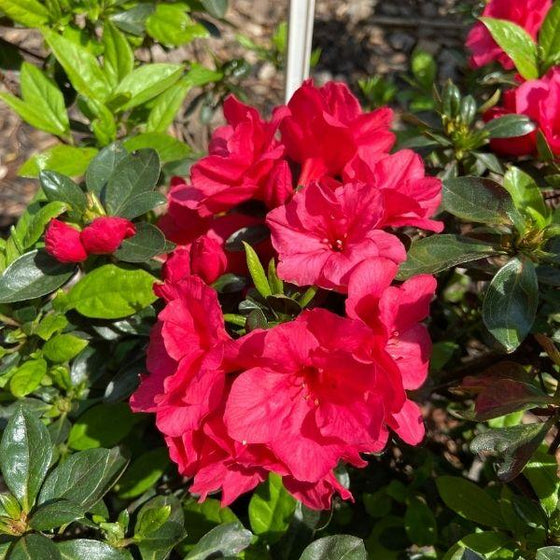


Images Depict Mature Plants
Hershey Red Azalea
Rhododendron 'Hershey's Red'
Hershey Red is what I call a “confidence shrub”—compact, evergreen, and absolutely electric in spring with cherry-red blooms that show up even in part shade. If you want foundation plantings that look finished (not overgrown), this azalea hits the sweet spot for size, structure, and reliable seasonal color—just give it good drainage and a quick post-bloom tidy.

15% OFF SITEWIDE, USE CODE 'FALLPLANT15'
📦 Free shipping on orders over $99.
Delay shipping by leaving us a message at Checkout.
Share:

Hershey Red Azalea For Cherry-Red Spring Blooms In A Compact Evergreen Shrub
Cherry-Red Spring Blooms That Make A Bold Statement In Shade
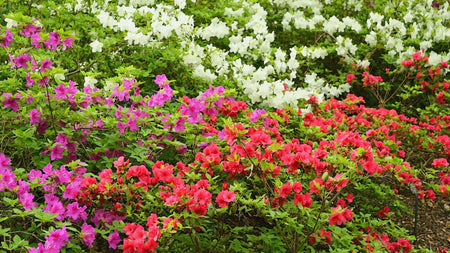
Hershey Red Azalea delivers that classic azalea “wow” in spring—bright cherry-red flowers that stand out even in part shade. When it’s blooming, it creates a clean, saturated hit of color that instantly makes foundation beds and borders look finished. If you want spring curb appeal that reads from the street (not just up close), this variety is a dependable choice—strong color, dense habit, and evergreen structure that keeps the planting looking intentional after the blooms fade.
The red blooms also play beautifully with simple, timeless combos: white flowering shrubs, deep green evergreens, and fresh spring bulbs at the base. Use it to frame an entry walk, punctuate a woodland edge, or repeat it in a rhythm along the front of the house. It’s the kind of plant that gives you an annual “spring moment” without requiring a complicated design plan.
Dwarf, Mounded Form That Fits Modern Foundation Beds
Hershey Red is a true dwarf evergreen azalea, typically maturing around 3–4 feet tall and 3–4 feet wide. That “just right” size is exactly what many landscapes need today—big enough to be substantial, compact enough to stay under windows and along walkways without constant resizing. The habit is naturally mounded and dense, so it looks tidy even when left alone, and it blends easily into mixed shrub beds where you want structure without bulk.
Because it stays compact, it’s also great for tighter spaces: smaller front beds, side-yard borders, and layered plantings where you want color at mid-height. It can be used as a stand-alone accent, grouped in threes for a stronger visual punch, or repeated to create a low, evergreen line. You get a shrub that looks “designed,” not overgrown—exactly what most shoppers are aiming for.
Part Shade To Filtered Sun Performance With Simple Soil Wins
This azalea thrives in part shade to filtered sun—think bright morning light, dappled light under high tree canopies, or a spot that avoids the harshest late-day exposure. That light level supports strong flowering while keeping the plant from looking stressed in hot spells. In too much deep shade, you may see fewer blooms; in too much intense sun without moisture, leaves can look tired. Bright, filtered light is the sweet spot for consistent, confident performance.
Soil is the real secret to long-term success. Azaleas prefer well-drained soil with organic matter and a slightly acidic pH. If your soil holds water, improve drainage before planting and avoid low spots where water collects. Mulch helps keep roots cool and moisture consistent—especially important because azaleas have shallow roots. When you match light + drainage, Hershey Red becomes a low-drama shrub that looks great with very little ongoing effort.
Easy Upkeep And A Post-Bloom Prune That Protects Next Year’s Flowers
Hershey Red doesn’t need heavy pruning, and that’s great news—azaleas set next year’s buds on older wood, so aggressive or late pruning can reduce flowering. The best approach is a light touch right after spring bloom: remove any damaged stems, tidy the outline, and let the plant return to its natural mound. That single timing habit protects next year’s flowers and keeps the shrub dense and well-shaped.
For an even fuller look, focus on the basics rather than the shears: consistent watering during establishment, refreshed mulch, and a gentle feeding program that supports healthy leaves and bud set. If you ever need to renovate an older plant, do it gradually over a couple of seasons rather than a single hard cut. The result is a compact evergreen azalea that stays healthy, blooms reliably, and keeps your landscape looking polished year-round.
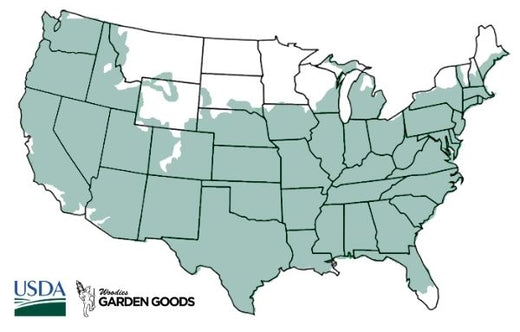
| Hardiness Zone: | 5-9 |
|---|---|
| Mature Height: | 3 to 4 Feet |
| Mature Width: | 3 to 4 Feet |
| Sunlight: | Part shade to filtered sun |
| Bloom Time / Color: | Spring; cherry red |
| Soil Condition: | Any well-drained soil (best with acidic, organic richness) |
| Water Requirements: | Water well until established; consistent moisture is best |
| Wildlife Value: | Pollinator-friendly blooms (bees/hummingbirds) |
| Landscape Uses: | Mixed borders, shade gardens, foundation plantings, containers |
How to Care for Hershey Red Azalea
Be sure to read our planting instructions to ensure a healthy and happy Hershey red Azalea plant for years to come!

How should I plant Hershey Red Azalea?
Plant Hershey Red Azalea in part shade to filtered sun where the soil drains well. Dig a hole twice as wide as the root ball and just as deep, then set the plant so the top of the root ball is level with (or slightly above) the surrounding soil. Backfill with native soil improved with organic material like compost or pine bark fines to boost drainage and the organic richness azaleas love. Water thoroughly to settle the soil, then apply a 2–3 inch mulch layer to stabilize moisture and keep roots cool (keep mulch a few inches away from the stems). Avoid low areas that stay wet—good drainage matters more than almost anything for evergreen azaleas.

How often should I water Hershey Red Azalea after planting?
During the first growing season, keep the soil consistently moist by watering deeply once or twice a week, adjusting the frequency according to rainfall and heat. Aim water at the root zone (using a soaker hose/drip system is ideal) rather than wetting foliage, which can invite disease. Once established, it becomes more resilient but still benefits from supplemental watering during hot, dry periods—especially when buds are forming. A refreshed mulch layer helps reduce moisture swings and keeps shallow azalea roots happier.

When should I fertilize Hershey Red Azalea?
Feed in early spring as new growth begins, using a fertilizer formulated for acid-loving plants or a gentle, balanced, slow-release option. Apply around the drip line, water it in, and avoid piling fertilizer against the stem. Consistent, moderate feeding supports healthy foliage and better flowering without pushing weak, overly soft growth. If you prefer a low-fuss approach, top-dress with compost and let mulch break down slowly to build soil over time. Avoid late-season fertilizing, which can encourage tender growth at the wrong time.

When and how should I prune Hershey Red Azalea?
Prune right after flowering. Hershey Red (like most evergreen azaleas) sets next year’s buds on older wood, so late-season pruning can reduce bloom. Start by removing dead/damaged stems, then lightly shape the plant to maintain a natural, mounded form. For older, woody plants, rejuvenation pruning is best done gradually over a couple of seasons—removing a portion of the oldest stems each year—so you keep flowers while restoring vigor. Keep pruning clean and light, and you’ll get a denser shrub with better airflow and healthier foliage.