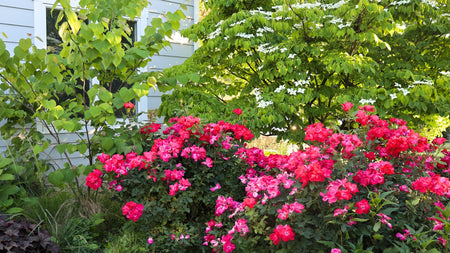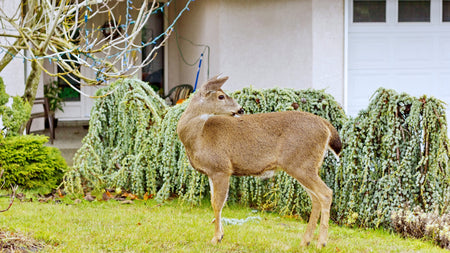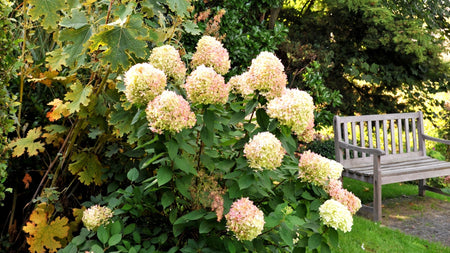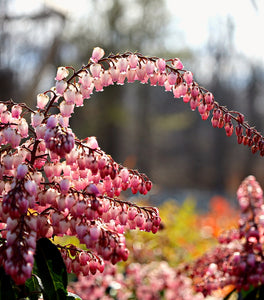



Images Depict Mature Plants
Pieris Mountain Fire
Pieris japonica 'Mountain Fire'
I love Pieris ‘Mountain Fire’ for the same reason homeowners do: it makes shady spots look intentional. Those white spring flowers feel like the garden’s first clean breath, and then the fiery red new growth shows up like a little victory lap—right when you want your landscape to wake up and look alive. It stays glossy and evergreen through the seasons, so your foundation beds never feel empty, and once it’s settled into well-drained, acidic soil with steady moisture, it’s the kind of shrub that keeps its promise without demanding a lot back.

15% OFF SITEWIDE, USE CODE 'FALLPLANT15'
📦 Free shipping on orders over $99.
Delay shipping by leaving us a message at Checkout.
Share:



Pieris ‘Mountain Fire’ — Fiery New Growth, White Blooms, Evergreen Shine
Fiery Red New Growth That Makes Shade Beds Look Designed
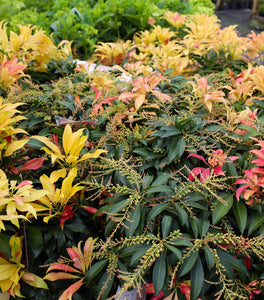
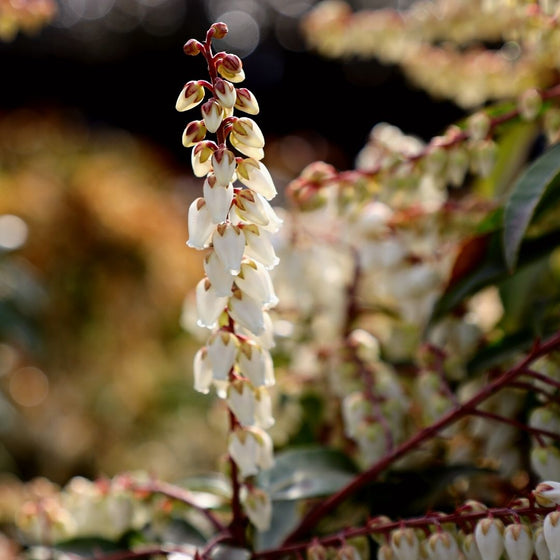
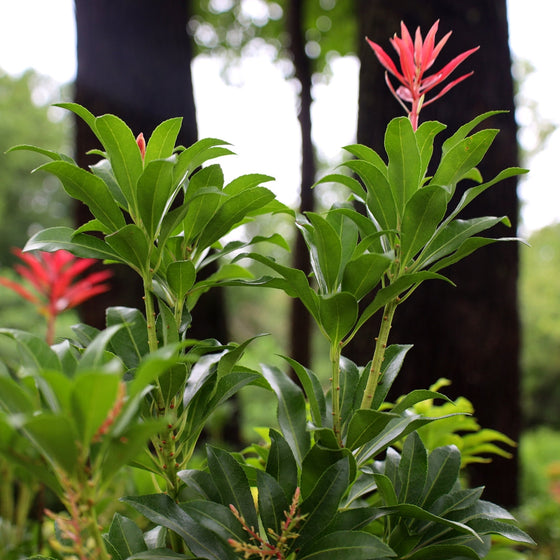
Pieris ‘Mountain Fire’ is the evergreen shrub that gives you a real color moment where many landscapes struggle—part shade. In early spring, new growth pushes out in vivid red tones that read like fresh paint against the glossy green foliage, instantly making beds look more intentional. Then come the drooping clusters of small white, bell-shaped flowers—clean, classic, and easy to appreciate up close near a porch, walkway, or front entry. It’s a refined look, not loud, and it pairs beautifully with other shade-garden textures.
What makes it such a strong purchase is the way the seasons stack: flowers first, then the red flush, then evergreen shine that keeps foundations and borders from feeling flat the rest of the year. It adds contrast without relying on full sun, and it holds a polished presence through winter when you still want structure in the landscape. If your goal is an evergreen flowering shrub for shade that looks “designed” instead of simply planted, Mountain Fire delivers that finished-bed effect without needing a complicated planting plan.
A Medium-Size Evergreen Shrub That Fits Foundations and Borders
Mountain Fire is easy to place because it fits the scale of real homes. It typically matures around 4–6 feet tall and about as wide, forming a dense upright-to-rounded shape that looks structured without feeling stiff. In ideal conditions and with age, it can gradually become more substantial, which is a plus if you want evergreen weight in a part-shade foundation or woodland edge without jumping straight to oversized shrubs.
Because it naturally fills in, it doesn’t need constant trimming to stay attractive. That’s a big deal for foundation beds: you get a dependable evergreen anchor that won’t immediately crowd windows, and you can repeat it for rhythm along a shaded fence line or border. Give it enough room to mature, and you’ll see better foliage density and cleaner airflow, which helps it look sharper through summer. If you want a shrub that stays tidy, looks premium, and doesn’t punish you with nonstop maintenance, this growth habit is exactly what you want shipped to your door.
Shade-Forward Performance in Acidic, Well-Drained Soil
Pieris ‘Mountain Fire’ thrives when the root zone is treated like a woodland floor: organic, slightly acidic, evenly moist, and well-drained. It’s not a shrub for soggy clay pockets or downspout zones, and it’s not at its best in dry, sandy fill that swings from drought to flood. In warmer climates, partial shade—especially afternoon shade—is the sweet spot for healthier foliage and stronger seasonal color. In cooler climates, it can handle more sun as long as moisture stays steady and roots don’t bake.
If the soil is heavy, the simplest upgrade is to plant slightly high and build the root area up with organic matter, then mulch to stabilize moisture. A 2–3 inch mulch layer keeps roots cool, reduces watering swings, and supports the soil conditions broadleaf evergreens prefer. Consistent moisture during establishment is the big win; after that, deep watering during dry spells is usually enough. Set it up correctly at planting, and it becomes a low-drama evergreen—reliable color, dependable bloom, and less stress when summer heat shows up.
Foundation Planting, Woodland Borders, and Container Statements
This is a shrub you use to make a landscape feel calmer and more complete. In foundation beds, Mountain Fire provides year-round evergreen structure, then adds that spring red flush right when curb appeal matters most. Place it where you’ll see it often—entry corners, along a shaded front walk, or outside a favorite window—because it rewards everyday viewing. In woodland borders, it layers naturally behind shade perennials and in front of taller evergreens, giving you depth without a messy look.
Mountain Fire also performs well in large containers when you need more control over soil acidity or drainage. A pot lets you place spring color exactly where you want it—porches, steps, shaded patios—while keeping the root zone in an acid-friendly mix. In mixed beds, it pairs especially well with other acid-loving shrubs and shade companions for a cohesive palette that looks curated, not random. If you want evergreen structure, spring bloom, and that signature red growth in one plant, this variety checks the boxes that matter for long-term satisfaction.
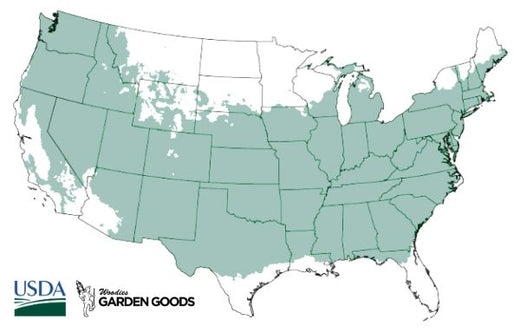
| Hardiness Zone: | 5-8 |
|---|---|
| Mature Height: | 4 to 6 feet |
| Mature Width: | 4 to 6 feet |
| Sunlight: | Part shade to part sun; afternoon shade in hotter areas |
| Bloom Time / Color: | Early spring; white, bell-shaped flower clusters |
| Foliage: | Fiery red new Growth in spring, turning dark green in the summer |
| Soil Condition: | Well-drained, acidic to slightly acidic, organic-rich |
| Water Requirements: | Medium; consistent moisture during establishment |
| Wildlife Value: | Early-season nectar source for pollinators |
| Resistance: | Commonly deer resistant |
| Landscape Uses: | Foundation planting, woodland borders, evergreen structure, mixed shrub beds, containers |
How to Care for Pieris Mountain Fire
Before you purchase your Pieris Mountain Fire shrub, be sure to read the recommended care instructions to ensure your Japanese Andromeda remains happy and healthy for years to come.

How should I plant Pieris ‘Mountain Fire’?
Choose a part-shade location with well-drained soil. Dig a hole 2–3 times wider than the root ball and only as deep as the root ball so the shrub won’t settle too low. Loosen any circling roots gently, set the plant so the top of the root ball sits slightly above surrounding grade, then backfill and firm the soil to remove air pockets. Water in deeply right after planting, then add a 2–3 inch mulch layer to stabilize moisture and temperature (keep mulch a few inches away from the stems). Space based on the mature width, and plant in spring or early fall when temperatures are mild. If soil runs alkaline or stays wet, build the planting area up or use a large container with an acid-friendly mix for best long-term performance.

How often should I water Pieris ‘Mountain Fire’ after planting?
For the first 6–8 weeks, water deeply 1–2 times per week, adjusting for rainfall and heat. The goal is evenly moist soil—never waterlogged. Check the top few inches of soil; if it’s drying out, it’s time for a deep soak rather than a light sprinkle. After establishment, water during dry spells, especially in summer and early fall, when plants can stress and next season’s buds are developing. A mulch ring helps reduce watering swings, which is one of the biggest keys to keeping broadleaf evergreens looking clean and glossy. If the shrub droops or looks dull in hot weather, the root zone is usually drying too fast or the site gets too much afternoon sun.

When should I fertilize Pieris ‘Mountain Fire’?
Feed in early spring as new growth begins using a slow-release fertilizer formulated for acid-loving plants. This supports healthy foliage, reliable flowering, and stronger seasonal color without pushing soft, overly tender growth. If the plant is already in rich soil, keep feeding light—more isn’t better with pieris. For a gentler approach, top-dress with compost and refresh an acidic mulch layer annually. That builds better soil structure over time, which is often the real difference between “okay” and “thriving.” If foliage looks pale or growth stalls, check soil pH and drainage first—those issues often matter more than adding extra fertilizer.

When and how should I prune Pieris ‘Mountain Fire’?
Prune right after flowering in spring. Pieris sets flower buds on older wood, so late-season pruning can remove next year’s blooms. Use clean, sharp pruners to remove spent flower clusters and any dead or damaged stems, then do light shaping to maintain a natural form. Avoid heavy shearing. If the plant gets too dense, thin a few older stems at the base to improve airflow and keep foliage healthier. For size control, reduce gradually over a couple of seasons rather than cutting hard in one go. Done correctly, pruning keeps the shrub tidy while preserving the bloom-and-color show you’re buying it for.runing Pieris Mountain Fire shrubs is an essential step in maintaining their compact shape, encouraging healthy growth, and ensuring prolific blooming. The best time to prune Pieris Mountain Fire is immediately after it finishes flowering in late spring. This timing allows the shrub to put its energy into producing new growth rather than forming seeds, and it also preserves the buds that will form next year’s blooms. Start by using clean, sharp pruning shears to remove any dead, damaged, or diseased branches, cutting them back to healthy wood. This will help improve air circulation within the shrub and reduce the risk of pests and diseases. Additionally, you can trim back any unruly or overgrown branches to maintain the desired shape, making sure not to cut into the old wood since this can hinder future growth and blooming. To keep Pieris Mountain Fire looking its best, you can also perform light pruning throughout the growing season to remove any faded flowers or spent blooms. This deadheading process not only improves the shrub's appearance but also encourages it to focus energy on producing new foliage and buds for the following year. If your shrub becomes too dense, consider thinning it by removing a few of the oldest stems at the base. This will open up the plant and allow sunlight and air to reach the interior, promoting healthier growth. Be cautious with heavy pruning, as Pieris is a slow-growing shrub and may take time to recover from drastic cuts. With proper pruning techniques, your Pieris Mountain Fire shrub will remain healthy, vibrant, and full of stunning, fiery red new growth and beautiful white blossoms each spring.