
House Plants for Beginners
Easy wins for new plant parents—no perfect routine required.
Starting with houseplants should feel satisfying, not stressful—and that’s exactly what this collection is built for. These are beginner-friendly indoor plants selected for real-life success: forgiving when you miss a watering, adaptable to typical home lighting, and attractive enough to make you want to keep going. You’ll find classics like pothos, spider plants, peace lilies, and ZZ plants, as well as other “starter staples” like philodendrons, dracaenas, palms, and Chinese evergreen. Each brings a slightly different superpower—trailing vines that quickly fill a shelf, upright plants that handle low light, and glossy foliage that stays neat with minimal fuss. If you’re furnishing a new apartment, greening up an office, or finally trying “plants for the first time,” this is your easiest on-ramp to a healthier, more alive-looking space.
The secret to beginner success is simple: prioritize drainage, water by soil feel (not the calendar), and match the plant to the light you actually have. Most easy-care houseplants prefer bright, indirect light, but many will tolerate lower light—especially if you adjust watering down as growth slows. Keep pots spaced so air can move, wipe leaves occasionally, and check undersides for early signs of pests like mealybugs or spider mites. For households with pets, make plant selection and placement intentional—some popular beginner plants are toxic if chewed (like pothos, peace lily, and dracaena). And if you ever set plants outside for summer, keep tropical houseplants contained—some, like golden pothos, have documented invasive risk in frost-free regions. You’re never on your own with these picks: you’re backed by the We Grow Together Promise.




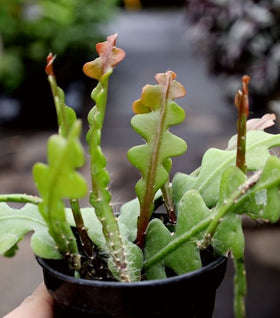
Epiphyllum anguliger (Fishbone Cactus)
$89.95
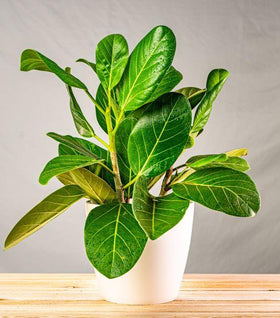
Ficus Audrey (Ficus benghalensis ‘Audrey’)
As Low As $39.95
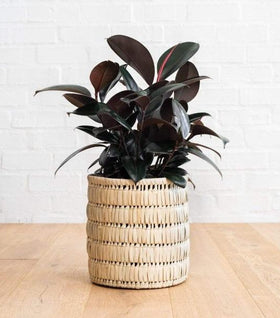
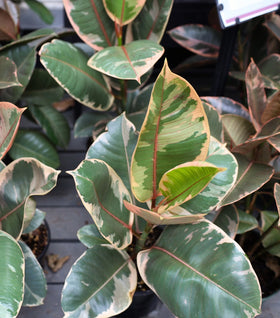
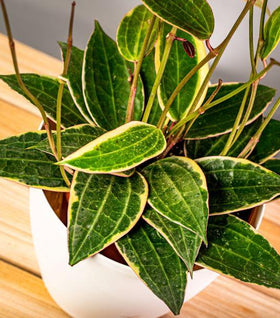
Hoya Macrophylla Variegata
As Low As $36.95


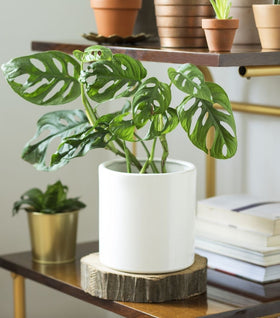
Monstera adansonii (Swiss Cheese Vine)
As Low As $32.95

Monstera deliciosa (Swiss Cheese Plant)
As Low As $32.95
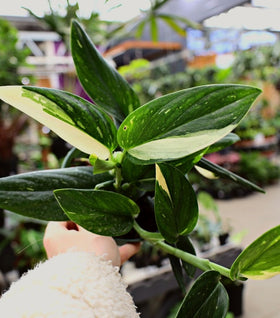

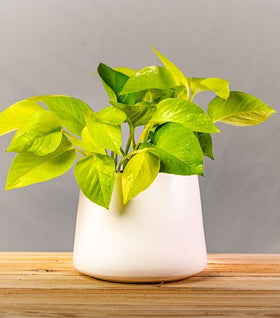
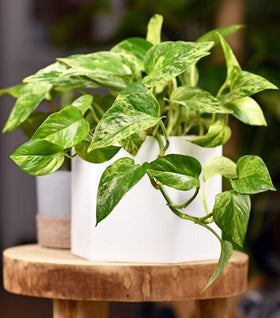
Neon Pothos (Epipremnum aureum ‘Neon’)
As Low As $36.95

Peace Lily (Spathiphyllum)
As Low As $29.95


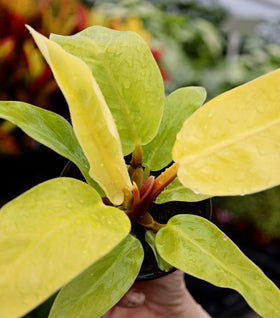
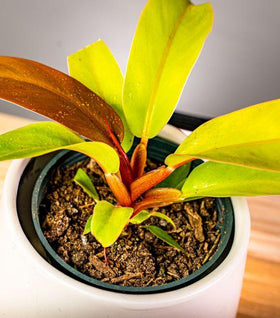
Philodendron hederaceum ‘Lemon Lime’
$49.95
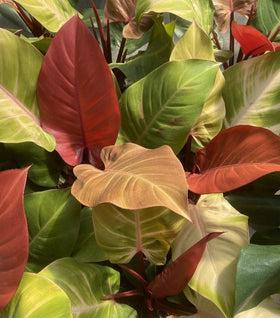
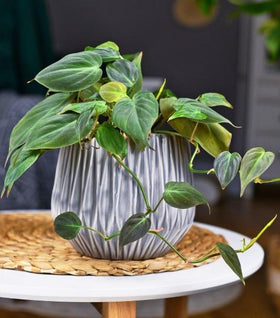

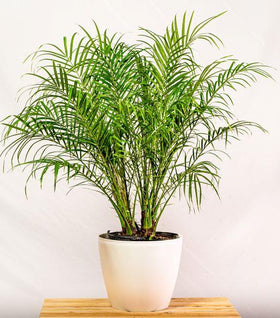


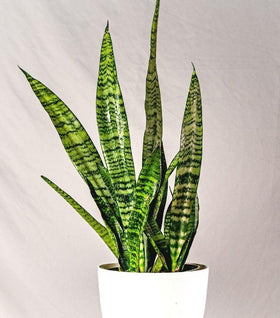
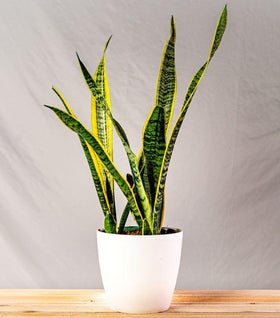
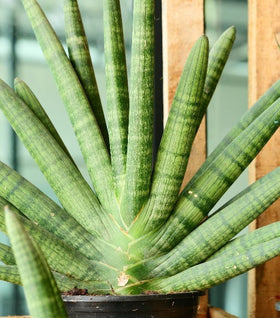
Sansevieria Futura Superba
As Low As $29.95

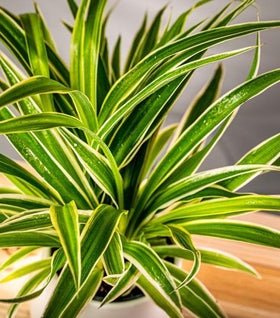

Start strong with plants that forgive mistakes.
Beginner houseplants should handle the two most common learning curves: inconsistent watering and imperfect light. That’s why the best starters often have thicker leaves or storage roots (like ZZ plant rhizomes), or they’re naturally tolerant of average indoor conditions (like spider plants). These plants don’t demand a “plant schedule”—they reward a simple rhythm: water well, let excess drain, and wait until the potting mix dries to the right point before watering again. If you’ve ever lost a plant to soggy soil, starting with forgiving choices is the fastest way to rebuild confidence.
This collection also supports different “beginner goals.” Want quick gratification? Trailing pothos grows readily and fills space fast, especially with decent indirect light. Prefer a tidy, architectural look? Upright plants like ZZ and many dracaenas keep a clean silhouette and can suit home or office environments. Want a plant that telegraphs its needs? Peace lilies are famous for visibly drooping when thirsty, which helps beginners learn the “feel” of watering timing.
Versatility matters, too: these plants work in containers on desks, shelves, and plant stands, and many perform well in hanging baskets (especially vines). For mixed indoor groupings, you can combine one upright anchor, one medium foliage plant, and one trailing plant to make a corner look finished without crowding. The key is leaving enough space between pots so foliage dries and air moves—a small design choice, big beginner success factor.
Finally, beginner-friendly doesn’t mean “boring.” Many of these classics come in attractive forms and leaf patterns, and several can flower indoors when conditions are right. Peace lilies are notable for producing showy white spathes even in lower light (often most during spring and summer), while spider plants may produce small flowers and plantlets that make propagation feel like a win.
Choose the look you want, with sizes that fit your space.
Most beginner houseplants fall into a few easy style categories. Trailing vines (like pothos) soften shelves and quickly fill vertical space. Mounding foliage plants (such as many philodendrons and Chinese evergreens) create a lush tabletop presence. Upright, cane or rosette plants (like dracaena and snake plant types) add structure and height with a relatively small footprint. Mixing these shapes gives you an immediate “designed” impact without needing a large collection.
Mature size indoors is usually manageable, but it’s worth planning for growth. ZZ plant is typically a slow grower that can reach roughly a few feet tall and wide over time, which makes it great for beginners who don’t want constant repotting. Spider plants grow faster and often look best slightly pot-bound, producing offsets (“babies”) that you can trim or propagate. Pothos can run long as a vine, but it’s easy to prune back and restart from cuttings, which keeps it in-bounds even in small homes.
Color and texture are part of the payoff. Philodendrons generally offer bold, heart-shaped foliage and tolerate lower light than many people expect, while dracaenas bring a more upright, tropical look and can be rugged performers indoors. Peace lilies give glossy leaves plus seasonal blooms (often spring–summer, sometimes repeating with strong care). These are exactly the kinds of plants that look “expensive” in a space while still behaving well for beginners.
Growth rate is also a beginner tool: faster growers give quick wins, slower growers give stability. If you’re learning, start with one fast grower (to see progress), one slow grower (to reduce pressure), and one “signals its needs” plant like a peace lily. That trio covers the most common beginner scenarios while keeping your care routine simple.
Place them right for easy, fast results.
Light is the biggest lever for beginner success, and “bright, indirect” is the sweet spot for many houseplants. A spot near a sunny window with filtered light often delivers the best growth without leaf scorch. Low-light-tolerant plants can live farther from windows or under consistent indoor lighting, but they’ll generally grow more slowly—so your watering frequency should slow down, too. Matching plant type to placement prevents the two classic beginner issues: leggy growth from too little light and root problems from watering too often in dim rooms.
Think about spacing as “airflow and future width,” not the current pot size. Indoors, leaving several inches between pots helps leaves dry and reduces pest and disease pressure; larger plants need more breathing room as they mature. If you’re styling multiple plants together, avoid pressing foliage tightly against walls and windows—light and air movement matter just as much as aesthetics.
Use placement to get functional benefits. Trailing plants do great on shelves and hanging hooks; upright plants anchor corners and entryways; low-light-tolerant plants can make offices and hallways feel alive. Peace lily is a classic for lower-light interiors (it’s even nicknamed a “closet plant” in some guides), while pothos can handle low-light locations and still look good—just expect best vigor in brighter indirect light.
One caution for outdoor moves: if you summer plants on a porch or patio, keep them in pots and bring them back in before temperatures dip. In warm, frost-free regions, some common houseplants can escape cultivation—golden pothos, for example, has been assessed as having a high invasion risk in Florida. Keeping it contained (and disposing of cuttings responsibly) is the beginner-friendly, planet-friendly move.
Keep care simple and feel confident.
Watering is where beginners either win fast or get frustrated, so use an easy rule: check the potting mix first, then water. Many forgiving houseplants prefer drying a bit between waterings, and pots must drain freely—standing water is a common path to root rot. If soil becomes very dry and hard to re-wet, extension guidance often recommends “double watering” or bottom-soaking briefly, then letting the pot drain completely. That’s the kind of practical fix that keeps a beginner plant from spiraling.
Repotting and soil choice are your second big win. Use a general-purpose indoor mix for many plants, and choose a container with drainage holes. Some plants (like spider plant) often perform best a bit pot-bound, but still benefit from periodic repotting when roots crowd the container. A slightly larger pot, fresh mix, and good drainage can reset growth and reduce stress—especially if a plant has been sitting in the same soil too long.
Pruning is simpler than most beginners think: it’s mainly about shaping and removing tired growth. Vining plants like pothos respond well to trimming—cutting encourages branching and a fuller look, and cuttings can be rooted to make new plants. For many foliage plants, “pruning timing” is just: trim during active growth (often spring and summer indoors), and go lighter during slower winter growth. The goal is confidence and control, not perfection.
Finally, know the cautions up front. Common indoor pests include aphids, whiteflies, mealybugs, scale, thrips, and spider mites—most often found on the undersides of leaves—so a quick weekly check prevents big problems. And for pet households, choose and place plants intentionally: pothos is toxic to cats and dogs, peace lily contains irritating calcium oxalates, and dracaena is also listed as toxic to pets. If you still want these plants, place them out of reach and treat “pet-safe placement” as part of beginner care.
Beginner plant parents aren’t limited to house plants. There are trees, shrubs, and perennials that fall under this category! We’ve put together a comprehensive list of the best plants for gardening beginners, along with planting and care instructions.