
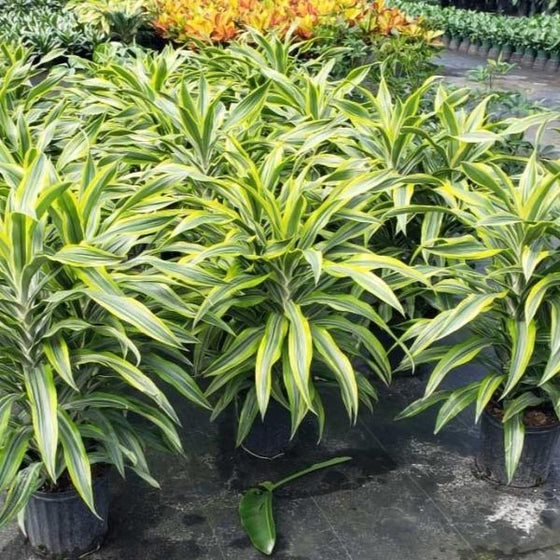
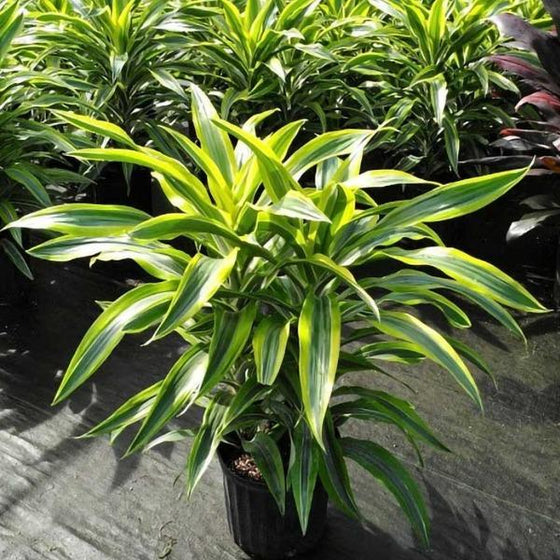


Images Depicted Range in Maturity & Container Size
Pots & Decorations Not Included Unless Otherwise Stated
Dracaena Lemon Lime
Dracaena fragrans 'Lemon Lime'
One of the best things about Dracaena Lemon Lime is how much color and structure it brings indoors without asking for a demanding care routine in return. The striped foliage feels fresh and lively, the upright habit makes it easy to place, and its lower maintenance makes it a smart pick for busy plant lovers or anyone just getting started with houseplants. If you want an easy-care indoor plant that adds height, brightness, and dependable style to a room, this is a houseplant with a lot going for it.

15% OFF SITEWIDE, USE CODE 'ENDOFSUMMER15'
📦 Free shipping on orders over $99.
Share:

Dracaena Lemon Lime for Bright, Easy Indoor Color
Bold Striped Foliage That Brightens a Room Instantly
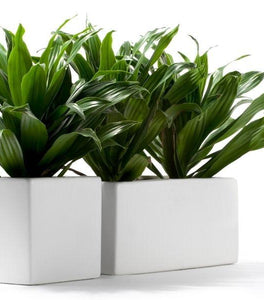
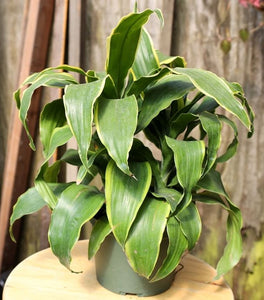
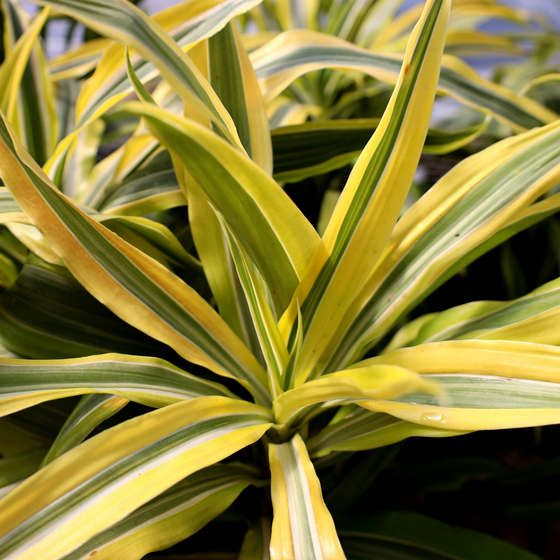
Dracaena Lemon Lime stands out because its foliage brings color into a room without relying on flowers. The long, arching leaves are striped in shades of green, lime, and creamy yellow-green, creating a fresh, energized look that reads clean and modern indoors. That bright variegation makes this plant especially useful for homeowners who want something livelier than a plain green houseplant but still want a design-friendly choice that blends easily with many interiors. The foliage has a sleek, upright character, so the plant feels structured and polished rather than loose or messy.
Its color also works very well indoors. In darker corners, home offices, and neutral spaces, Dracaena Lemon Lime helps add visual lift and brightness. The striping captures ambient light beautifully and gives the plant a finished look, even when styled simply in a basic planter. For indoor gardeners who want year-round foliage interest, this variety delivers strong color contrast and a tropical feel without becoming flashy or difficult to place. If your goal is to bring home a colorful houseplant that still feels sophisticated and easy to decorate with, Dracaena Lemon Lime has a lot of appeal.
An Upright Houseplant for Offices, Corners, and Clean-Lined Interiors
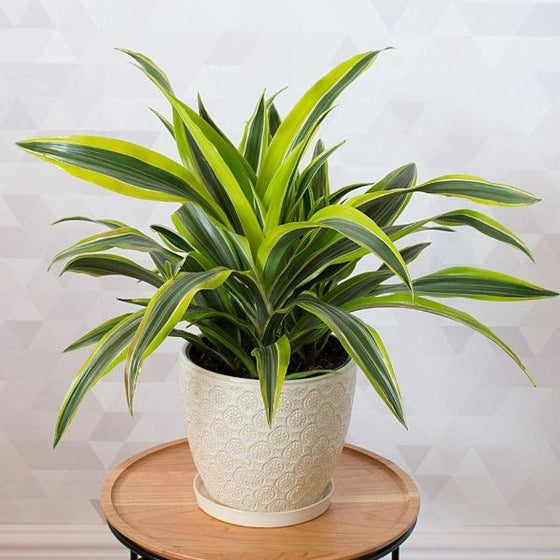
One of the biggest strengths of Dracaena Lemon Lime is its shape. This is an upright, cane-forming houseplant that adds height and presence without taking over a room, thanks to its wide-spreading leaves or trailing stems. That makes it an excellent choice for home offices, entryways, bedrooms, apartments, and corners that need vertical greenery more than width. It is especially useful where you want a plant to soften a wall, frame a piece of furniture, or bring life to a spot that feels a little too plain or rigid.
Its clean growth habit also makes it a natural fit for contemporary interiors, minimalist rooms, and professional spaces. Dracaena Lemon Lime pairs beautifully with modern planters, warm wood finishes, black-and-white palettes, and simple décor where the foliage itself becomes the visual accent. It can work as a standalone statement in a floor pot or as part of a layered indoor plant grouping with broader or softer-textured foliage around it. For plant lovers who want a colorful houseplant that adds height without bulk, this is one of the most useful indoor foliage choices available.
Low-Fuss Care for Plant Lovers Who Want Reliable Indoor Greenery
Dracaena Lemon Lime is popular for a reason: it offers strong visual payoff without demanding constant attention. It typically performs best in bright indirect light, where the striped foliage stays most vivid, but it also tolerates medium to lower indoor light better than many colorful houseplants. That flexibility makes it a strong option for real homes and offices where ideal lighting isn't always available. Watering is simple too. Letting the soil dry slightly between waterings generally suits this plant much better than keeping it constantly wet.
Its slower growth habit is another advantage for many indoor gardeners. Instead of quickly outgrowing its space, Dracaena Lemon Lime usually develops at a steady, manageable pace, which means less frequent repotting and less reshaping over time. It also adapts well to average indoor humidity, though it appreciates avoiding extremely dry air. With a well-draining potting mix, a container that allows drainage, and a stable indoor location, this plant is refreshingly easy to maintain. For beginners, busy homeowners, or anyone wanting a dependable houseplant with colorful foliage, Dracaena Lemon Lime offers an excellent balance of beauty and practicality.
A Smart Choice for Gifting, Beginner Confidence, and Everyday Living
Dracaena Lemon Lime makes a very strong gift plant because it feels cheerful, polished, and approachable all at once. The bright striping gives it an uplifting look that works well for housewarmings, office gifts, birthdays, and thank-you occasions, while the care routine stays simple enough for newer indoor gardeners. It has enough personality to feel special, but it does not come with the high-maintenance reputation that keeps some people from enjoying houseplants in the first place. That makes it a great option for someone starting an indoor plant collection or adding a reliable foliage plant to an established one.
The main household consideration is safety around pets and children who may chew leaves. Dracaena Lemon Lime is not considered pet-safe, so placement should be chosen carefully in homes with curious cats or dogs. A bright office, a well-lit shelf, or a low-traffic room can be an ideal solution. When placed thoughtfully, it brings long-lasting color, upright structure, and easy-care appeal to the home. For plant lovers looking for a colorful indoor plant that feels manageable, stylish, and giftable, Dracaena Lemon Lime is an easy recommendation.

| Hardiness Zone: | 9-11 |
|---|---|
| Mature Height: | Typically 3 to 6 ft. tall indoors |
| Mature Width: | 2 to 3 Feet Wide |
| Sunlight: | Bright indirect light is best; tolerates medium to lower light, though variegation is often strongest in brighter filtered light |
| Habit: | Upright, cane-forming |
| Flower Color: | Unlikely to flower indoors |
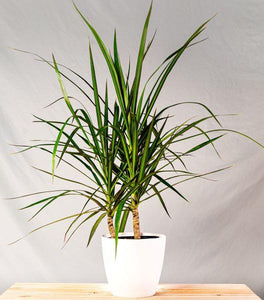
| Foliage: | Long, strap-like leaves with green, lime, and creamy yellow-green striping |
| Soil Condition: | Well-draining indoor potting mix with good aeration |
| Water Requirements: | Water when the top 1 to 2 inches of soil feel dry; do not keep soil constantly wet |
| Humidity | Average indoor humidity is usually acceptable; avoid very dry air if possible |
| Pet Safety | Not pet-safe, Toxic if chewed or ingested; keep away from cats, dogs, and children |
| Best Uses Indoors | Office plant, corner accent, upright floor plant, modern interiors, low-fuss indoor greenery |
How to Care for Dracaena Lemon Lime
Be sure to read our planting instructions to ensure a healthy and happy Lemon Lime Dracaena for years to come!

How should I pot Dracaena Lemon Lime?
Pot Dracaena Lemon Lime in a container with drainage holes, and use a well-draining indoor potting mix that does not stay soggy for long periods. Choose a pot only about 1 to 2 inches wider than the current root ball so the soil stays balanced between moisture retention and airflow. Set the plant at the same depth it was growing before, and gently firm the soil around the roots without compacting it. After potting, water thoroughly until extra moisture drains out, then place the plant in bright indirect light so it can settle in without staying overly wet.
-v1773408902428.png?89x84)
How often should I water Dracaena Lemon Lime?
Water Dracaena Lemon Lime when the top 1 to 2 inches of soil feel dry to the touch, rather than watering on a strict schedule. In brighter rooms, it may need water more often, while lower light and cooler indoor temperatures usually slow the drying time. When you water, soak the root zone thoroughly and let all excess water drain away completely. This plant usually handles slight drying much better than constantly wet soil, so it is better to pause and check the pot before watering again.
-v1773408927682.png?90x89)
When should I fertilize Dracaena Lemon Lime?
Fertilize Dracaena Lemon Lime during spring and summer when it is actively growing and producing fresh foliage. A balanced liquid houseplant fertilizer at a light or diluted rate, applied every 4 to 6 weeks, is usually enough for healthy indoor growth. Reduce or stop fertilizing in fall and winter when the plant naturally slows down indoors. Too much fertilizer can lead to tip burn or salt buildup, so moderate feeding is usually the most effective approach.

When and how should I prune Dracaena Lemon Lime?
Prune Dracaena Lemon Lime whenever you need to remove yellowing, damaged, or tired-looking leaves, and do more shaping in spring if the plant has become uneven or too tall for its space. Use clean, sharp pruners and remove leaves cleanly near the cane or cut back stems carefully if size control is needed. Because this is a slower-growing upright houseplant, pruning is usually light and mostly cosmetic. Regular cleanup of old foliage and occasional reshaping help the plant stay neat, attractive, and better suited to indoor rooms where clean lines matter.