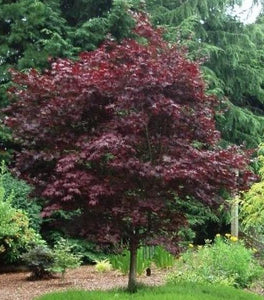


Images Depict Mature Plants
Shaina Japanese Maple
Acer palmatum 'Shaina'
Shaina is a really smart Japanese maple for homeowners who want a strong red color but do not have room for a larger tree. I like it because the plant stays dense, the spring color is bright and eye-catching, and the overall form works beautifully in smaller foundation beds and patio gardens. It gives you that classic Japanese maple beauty in a much easier-to-work-with size.

15% OFF SITEWIDE SUMMER SALE
Use Code HELLOSUMMER15 at Checkout!
📦 Free shipping on orders over $99.
Delay shipping by leaving us a message at Checkout.
Share:

Compact Red Color and Dense Form for Small Garden Spaces
A Dwarf Red Japanese Maple With Strong Seasonal Color
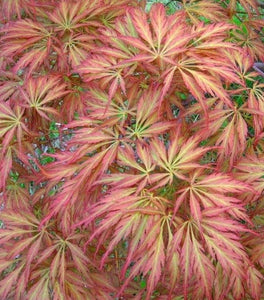
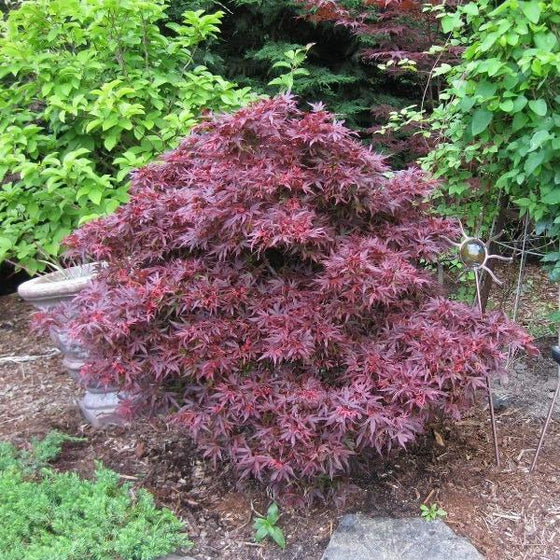
Shaina Japanese Maple is a standout choice for homeowners who want rich red Japanese maple color in a much smaller, denser plant. New foliage emerges bright red, then matures to deep maroon through the growing season before turning brilliant red again in fall. That strong color progression gives the tree real impact from spring through autumn without requiring a large footprint.
Its foliage color is one of the main reasons this cultivar is so appealing. The leaves stay dark and handsome through summer, which helps the plant hold its visual strength long after spring color has faded on many other ornamentals. For smaller landscapes that need dependable foliage color without an oversized tree, Shaina is a very smart choice.
A Dense, Upright Habit That Fits Small Gardens Beautifully
Shaina Japanese Maple is especially useful because it stays compact and naturally dense. Rather than forming a broad, open canopy, it grows with a bushy, tufted, upright habit that makes it ideal for tight residential spaces. It works beautifully in foundation corners, island beds, courtyard gardens, and highly visible focal-point plantings where a larger Japanese maple would feel out of scale.
Its compact form also makes it especially appealing near patios, walkways, entry gardens, and smaller outdoor living spaces. Homeowners who love Japanese maples but do not have room for a wider laceleaf or a larger upright variety often find that Shaina gives them the same ornamental beauty in a much more manageable size.
A Strong Fit for Foundation Plantings and Patio Gardens
Because of its scale and density, Shaina Japanese Maple is one of the more practical Japanese maples for smaller homesites. It has enough presence to serve as a specimen, but it also fits naturally into more structured residential planting plans where every plant must stay in proportion. It can be used to anchor a foundation bed, soften hardscape near a patio, or create a focal point in a compact garden space.
This is the kind of tree that helps a planting feel intentional without taking over the design. Even when surrounded by shrubs, perennials, and evergreens, it keeps its identity and adds real value through color and form. For homeowners who want a red Japanese maple that is easy to place, Shaina is an especially useful option.
Distinctive Foliage Texture and Four-Season Character
Shaina is also interesting because of the way the foliage clusters along the stems. The leaves form dense masses, giving the plant a more textured, tufted appearance than many broader red Japanese maples. That habit makes the tree feel full and substantial even when it is still relatively young.
In winter, after the leaves drop, the dense branch structure continues to give the plant a sense of presence. That means the tree contributes more than just seasonal leaf color. It helps the garden feel layered and complete even when dormant, which is a valuable trait in smaller landscapes where every plant has to do more.
Easy Elegance With Thoughtful Siting
Shaina Japanese Maple performs best in well-drained soil with regular moisture during establishment. In cooler climates, it can take more sun, while in warmer areas, it often benefits from some protection from the harshest afternoon exposure. That thoughtful siting helps preserve leaf quality and supports the tree’s dense, healthy growth.
Like many Japanese maples, it does not need aggressive maintenance. Once established in the right location, it becomes a dependable ornamental tree with strong foliage color, compact structure, and relatively simple care. For homeowners who want a red Japanese maple with a smaller footprint and real personality, Shaina Japanese Maple is one of the best choices available.
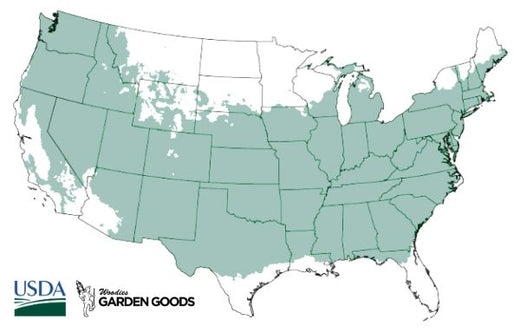
| Hardiness Zone: | 5-8 |
|---|---|
| Mature Height: | 6 to 8 feet |
| Mature Width: | 6 to 8 feet |
| Sunlight: | Full sun to partial shade, depending on climate |
| Bloom Time / Color | Grown for foliage rather than flowers |
| Soil Condition: | Well-drained, consistently moist soil |
| Water Requirements: | Regular moisture during establishment; keep evenly moist but not soggy |
| Ornamental Features | Bright red new growth, deep maroon summer foliage, brilliant red fall color, dense upright habit |
| Resistance (deer/disease/drought/etc.) | Low-maintenance when properly sited; slow growing and dependable |
| Landscape Uses | Specimen tree, foundation accent, courtyard garden, patio garden, focal point planting |
How to Care for Shaina Japanese Maple
Be sure to read our planting instructions to ensure a healthy and happy Shaina Japanese Maple Tree for years to come!
-v1774571775386.png?92x91)
How should I plant Shaina Japanese Maple?
Plant Shaina Japanese Maple in well-drained soil where it has room to develop its compact, upright shape. Dig a hole two to three times as wide as the root ball but no deeper than the root ball itself, and set the tree so the root flare sits at or slightly above grade. Choose a location where the plant will not be crowded by larger shrubs or structures as it matures. This tree works especially well in foundation corners, island beds, and smaller focal-point garden spaces. In warmer climates, a site with morning sun and some afternoon protection often helps the foliage stay fresher through summer, while cooler regions may allow for more direct sun.
-v1774571798730.png?89x84)
How often should I water Shaina Japanese Maple after planting?
Water deeply right after planting and keep the soil evenly moist during the establishment period. Deep watering is more helpful than frequent shallow watering because it encourages stronger root development and helps the tree settle in more successfully during its first growing season. Once established, Shaina still prefers steady moisture but should never sit in soggy soil. Mulch helps regulate soil temperature and moisture, especially during hot or dry weather. In periods of drought, extra watering may be needed to keep the foliage looking its best.
-v1774571819755.png?90x89)
When should I fertilize Shaina Japanese Maple?
Shaina Japanese Maple usually does not need heavy feeding. In most landscapes, a light application of balanced slow-release fertilizer in spring is enough if the tree appears to need support. Good soil, proper watering, and mulch are often more important than frequent fertilization. Too much fertilizer can encourage overly soft growth and reduce the dense, refined habit that makes this tree so appealing. A modest approach is usually best, especially for a slow-growing ornamental grown mainly for structure and foliage beauty.

When and how should I prune Shaina Japanese Maple?
Shaina Japanese Maple usually needs only light pruning. Remove dead, damaged, or crossing branches and preserve the tree’s natural dense form rather than trying to force it into a tighter outline. If shaping is needed, a restrained approach works best. The goal is to maintain its compact branching and strong natural habit, not to over-prune a tree that already has great ornamental structure on its own.