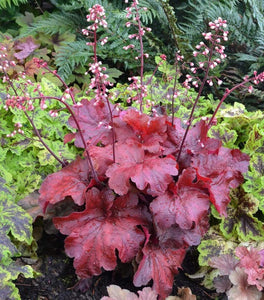
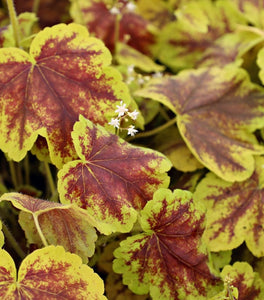
Images Depict Mature Plants
Oakleaf Foamflower
Tiarella cordifolia 'Oakleaf '
Oakleaf Foamflower is one of those shade perennials that quietly makes everything around it look better. I’m especially drawn to the oak-shaped foliage, the airy white spring bloom, and the way the leaves pick up red and burgundy tones when the weather cools down. For homeowners who want a compact woodland perennial that brings spring flowers, strong foliage texture, and a softer four-season feel to shady gardens, this is a really smart and beautiful plant.

15% OFF SITEWIDE SALE
Use Code 'PRIMETIME15' At Checkout
📦 Free shipping on orders over $99.
Delay shipping by leaving us a message at Checkout.
Share:Recommended Add-Ons


Spring Foamflower Color with Oak-Shaped Foliage for Woodland and Shade Gardens
A Shade Perennial That Brings Texture and Soft Spring Bloom
Oakleaf Foamflower is a beautiful choice for homeowners who want a shade perennial that feels refined, easy to use, and seasonally rewarding. This compact tiarella forms a low mound of distinctively lobed, oak-shaped foliage that adds texture long before and long after the flowers appear. In spring, airy, bottlebrush-like spikes of white blooms rise above the foliage, giving the plant a soft, foamy look that makes foamflowers such favorites in woodland gardens. The cultivar is noted for its oak-like foliage and spring flower spires.
One of the biggest strengths of Oakleaf Foamflower is that it offers beauty without requiring much space. It stays low and compact, which makes it especially useful at the front of shady borders, along paths, beneath taller shrubs, or tucked into woodland edges where larger perennials would feel heavy. That smaller scale lets homeowners create a layered shade planting with more detail and more polish. Mature foliage mounds are commonly described in the 6 to 12 inch range, with flower stems rising higher.
The foliage is also a major part of the appeal. Rather than offering only a quick spring flower moment, Oakleaf Foamflower continues contributing through the year with attractive dark green leaves that can take on red, bronze, or burgundy tones in cooler seasons. In milder climates, it is often semi-evergreen, which gives the garden more structure and color in winter than many other shade perennials can provide.
For homeowners looking for a perennial that can brighten the shade without feeling fussy or oversized, Oakleaf Foamflower is an excellent fit. It brings bloom and foliage interest, along with a soft woodland character that works beautifully in designed garden spaces.
Spring Blooms and Seasonal Foliage Keep the Garden Engaged
Oakleaf Foamflower is especially valuable because it offers beauty for more than one season. In spring, slender flower spikes rise above the foliage and carry small, starry white to creamy-white flowers that create an airy, luminous effect in the shade. The flower display typically lasts for several weeks, which gives this plant more staying power than many small woodland perennials. Sources commonly describe the spring bloom lasting around four to six weeks or longer, depending on conditions.
The flowers themselves are subtle rather than bold, but that is part of what makes them so useful in the landscape. They brighten dark corners, soften the edge of a path, and pair beautifully with ferns, heucheras, hellebores, and other shade companions. Instead of dominating the planting, they create a light, foamy layer that makes the whole bed feel more alive and more finished.
After bloom, the foliage takes over as the main ornamental feature. Oakleaf Foamflower is noted for dark green leaves shaped like small oak leaves, and in cooler weather, those leaves can develop red to bronze or burgundy tones that extend the season of interest well beyond spring. That gives homeowners a shade perennial that does not disappear once flowering ends.
For gardeners who want a woodland plant that remains dynamic throughout multiple seasons, Oakleaf Foamflower is especially rewarding. It offers a full progression of spring bloom, summer texture, and colder-season foliage color that helps a shady planting stay engaging across the year.
A Natural Fit for Woodland Borders, Ground Cover, and Smaller Shade Spaces
Oakleaf Foamflower works best in landscape settings where texture, layering, and season-long foliage matter. It is especially effective in woodland gardens, shade borders, underplantings beneath shrubs, and along shaded paths where the low mounded foliage and spring flowers can be appreciated up close. It is also a strong choice for mass planting, where repeated clumps can create a softer, more cohesive carpet beneath taller shade plants. Oakleaf is widely described as useful in woodland gardens, borders, and ground-cover style plantings.
Its mature size makes it easy to place. Most listings put Oakleaf Foamflower at 6 to 12 inches tall and 6 to 12 inches wide, with flower stems rising to 9 to 18 inches, depending on the source and growing conditions. That size allows it to fit neatly into smaller beds, containers, and shaded front-of-border positions without getting lost.
It also works well in more naturalized shade landscapes where homeowners want a plant that can gradually soften the soil surface without becoming coarse or overwhelming. In mixed shade gardens, it pairs beautifully with hostas, ferns, epimediums, heucheras, and other woodland perennials. The lobed foliage provides a different texture that helps the planting feel more layered and designed.
For homeowners looking to build a more beautiful shade garden with smaller-scale plants that still offer real visual interest, Oakleaf Foamflower is a very useful perennial. It fills the low layer of the planting with bloom, texture, and subtle year-round beauty.
Easy-Care Growth with Better Performance in Moist Shade
Oakleaf Foamflower performs best in part shade to full shade and in moist, well-drained soil rich in organic matter. Like many woodland perennials, it appreciates a root zone that stays evenly moist but not soggy. It does not want to dry out completely, especially during establishment, and it generally looks best where the soil has a little humus and stays cool through the growing season. Foamflower care guidance consistently recommends shade and moist, well-drained woodland-type soil.
Once established, care is relatively simple. The plant is considered low-maintenance, with most upkeep limited to removing worn foliage in late winter or early spring and keeping the soil from drying out. In milder climates, the semi-evergreen foliage can continue providing seasonal interest, while in colder climates, a bit of cleanup in spring helps fresh growth emerge cleanly.
Because it stays compact and naturally tidy, Oakleaf Foamflower rarely needs heavy pruning or constant dividing. It is also adaptable enough for containers, edging, and smaller shade pockets where homeowners want a long-lived perennial rather than a short-term filler. Its manageable habit is part of what makes it so dependable in residential gardens.
For gardeners who want a shade perennial with strong foliage, spring bloom, and an easy care routine, Oakleaf Foamflower is a rewarding option. Give it moisture, shade, and a woodland-style setting, and it will return soft seasonal beauty with very little fuss.
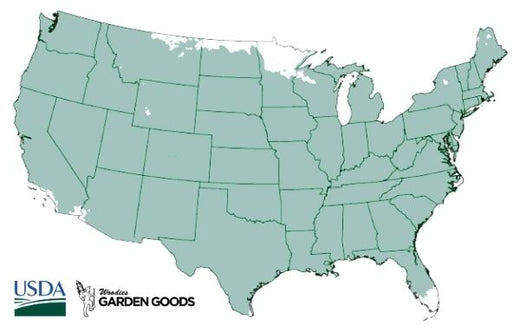
| Hardiness Zone: | 4-9 |
|---|---|
| Mature Height: | 6 to 12 Inches |
| Mature Width: | 6 to 12 Inches |
| Sunlight: | Part shade to full shade |
| Bloom Time / Color | Spring; white to creamy-white airy flower spikes |
| Soil | Moist, well-drained, humus-rich soil |
| Water | Moderate; keep evenly moist during establishment and dry periods |
| Wildlife Value | Attracts bees and butterflies during bloom |
| Resistance (deer/disease/drought/etc.) | Low-maintenance, semi-evergreen in mild climates, best with consistent moisture |
| Landscape Uses | Woodland garden, shade border, ground cover, path edging, container planting, underplanting beneath shrubs |
How to Care for Oakleaf Foamflower
After purchasing your Tiarella Oakleaf, be sure to read our recommended care instructions to guarantee a happy and healthy plant.

How should I plant Oakleaf Foamflower?
Plant Oakleaf Foamflower in part shade to full shade in moist, well-drained soil rich in organic matter. Dig a hole about twice as wide as the root ball and no deeper than the root ball itself, then set the plant so the crown sits level with the surrounding soil. Woodland-type conditions with consistent moisture help it establish best. Backfill with native soil, water thoroughly, and apply mulch or leaf mold around the base to help hold moisture and keep the root zone cool. This perennial works especially well in shady borders, woodland gardens, and underplantings where the low mounded foliage and spring flowers can be appreciated close up.

How often should I water Oakleaf Foamflower after planting?
Water Oakleaf Foamflower deeply right after planting, then keep the soil evenly moist during the establishment period. It performs best when the roots do not dry out for long stretches, especially in its first growing season. Several sources note that the soil should not be allowed to dry out completely. Once established, continue watering during dry periods to keep the foliage looking its best. The plant likes steady moisture but not waterlogged soil, so the goal is consistent hydration rather than soggy ground.

When should I fertilize Oakleaf Foamflower?
Oakleaf Foamflower usually needs very little fertilizer if it is growing in humus-rich, healthy soil. A light topdressing of compost in spring is often enough to support fresh foliage and flower production. Foamflower is generally described as low maintenance and not a heavy feeder. Avoid heavy feeding, because overly rich conditions are not necessary for this plant to perform well. In most shade gardens, moisture, organic matter, and consistent soil health matter more than frequent fertilizer applications.

When and how should I prune Oakleaf Foamflower?
Oakleaf Foamflower does not need heavy pruning. In late winter or early spring, you can trim away worn or winter-damaged foliage to make room for fresh new growth and to keep the clump looking tidy. Its compact mound and natural habit make it very easy to maintain. After bloom, you can remove spent flower stems if you want a cleaner look, though this is mostly a cosmetic choice. The goal is simple seasonal cleanup rather than major reshaping, since the plant is naturally low and compact.