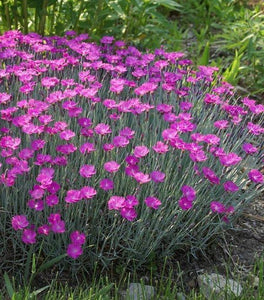
Images Depict Mature Plants
Whirling Butterflies Gaura
Oenothera lindheimeri 'Whirling Butterflies'
Whirling Butterflies Gaura is one of those perennials I reach for when a sunny garden needs a little more grace. The flowers really do seem to float above the planting, and I especially like the way this plant brings movement, pollinator activity, and long bloom without ever feeling heavy or stiff. For homeowners who want a drought-tolerant perennial that looks soft, airy, and alive from summer into fall, this is a beautiful and very useful choice.

15% OFF SITEWIDE SALE
Use Code 'PRIMETIME15' At Checkout
📦 Free shipping on orders over $99.
Delay shipping by leaving us a message at Checkout.
Share:Recommended Add-Ons



Airy White Gaura Blooms for Sunny Borders and Pollinator Gardens
A Light, Airy Perennial That Brings Motion to the Garden
Whirling Butterflies Gaura is one of those perennials that changes the whole feel of a planting without ever looking heavy or crowded. Its wiry stems carry fluttering white flowers that seem to hover above the foliage, creating a soft, dancing effect in the garden from summer well into fall. For homeowners who want a perennial that adds motion and texture as much as color, this is an especially rewarding choice.
The flowers are a big part of the appeal. Each bloom opens in a bright white tone and often takes on a soft pink blush as it ages, adding even more movement and visual depth to the plant. Because the flowers are held loosely along the stems rather than massed into a single dense cluster, the overall look stays airy and graceful. That makes it especially useful in cottage gardens, pollinator borders, and mixed perennial beds where a lighter touch is needed.
Its habit also gives it a unique role in design. Instead of forming a stiff block of color, Whirling Butterflies threads itself through the planting and softens everything around it. It works beautifully with ornamental grasses, salvias, echinaceas, coreopsis, and other warm-season bloomers that benefit from a more delicate companion nearby.
For homeowners looking for a long-blooming perennial that feels elegant, natural, and easy to combine with other plants, Whirling Butterflies Gaura is a standout. It brings brightness and movement to sunny gardens in a way few other perennials can.
Long Bloom and Pollinator Activity Carry the Garden Through Summer
Whirling Butterflies Gaura is especially valuable because it blooms over such a long period. It typically begins flowering in summer and can continue right up until fall frost, keeping the garden lively through the warmest part of the year. That extended bloom window gives homeowners a lot of return from one plant and helps the border feel fresh long after many early-season perennials have finished.
The flowers are also highly attractive to pollinators. Bees, butterflies, and even hummingbirds can be drawn to the blooms, which makes this perennial a natural fit for pollinator gardens and wildlife-friendly borders. In a sunny planting designed to feel active and full of life, Whirling Butterflies helps keep that momentum going all season.
Another major advantage is the way the flowers open gradually along the stems. Because only a few blooms open at a time, the plant keeps producing fresh flowers over an extended period rather than peaking all at once. That steady rhythm of bloom is a big reason it feels so useful in residential landscapes where ongoing color matters.
For gardeners who want a perennial that adds not just flowers but also movement and pollinator energy, Whirling Butterflies Gaura is a very satisfying choice. It helps the garden stay animated, bright, and seasonally relevant through the hottest months.
A Strong Fit for Borders, Containers, and Hot Sunny Sites
Whirling Butterflies Gaura works best in landscapes where a lighter, more open perennial can play a key supporting role. It is especially effective in sunny borders, cottage gardens, gravel gardens, pollinator beds, and mass plantings where its airy flower stems can weave through neighboring plants. Because it has such a loose, graceful habit, it brings softness to plantings that might otherwise feel too dense or rigid.
Its mature size makes it easy to place. Whirling Butterflies typically grow to 3 to 5 feet tall and 1 to 2 feet wide, giving it enough height to be noticed without overwhelming the whole bed. It works well in the middle or back of a sunny border, where the blooms can rise above lower perennials, creating a cloud-like layer of seasonal color.
This perennial is also very useful in hotter, drier parts of the landscape. Once established, it handles heat and drought with much more confidence than many summer-blooming flowers. That makes it an especially smart choice for homeowners who want beautiful blooms without building the garden around high water use.
For homeowners designing around sun, heat, and long-lasting flower color, Whirling Butterflies Gaura is a very practical and attractive option. It adds softness and resilience in equal measure.
Easy-Care Growth with Better Performance in Sun and Good Drainage
Whirling Butterflies Gaura performs best in full sun and in well-drained soil. It can handle heat and humidity, and it generally prefers leaner or average garden soils over rich, heavily amended conditions. In fact, overly rich soil can encourage excessive leafy growth and reduce the lighter, airier bloom habit that makes this perennial so appealing.
During establishment, regular watering helps the roots settle in and supports strong early growth. Once rooted in, though, the plant becomes notably drought-tolerant and usually needs much less supplemental water. That makes it especially valuable for homeowners who want a flowering perennial that can tolerate hot, dry weather without becoming a maintenance project.
Maintenance is straightforward. Deadheading can encourage continued flowering and keep the plant looking fresh, while cutting back old stems at the end of the season or in early spring helps make room for new growth. Because the stems are wiry and naturally open, it can also be useful to plant gaura near sturdier perennials that provide a little visual support in mixed borders.
For gardeners who want a long-blooming perennial with heat tolerance, drought tolerance, and a simple care routine, Whirling Butterflies Gaura is a rewarding plant. Give it sun, drainage, and a little seasonal cleanup, and it will bring months of airy white bloom in return.
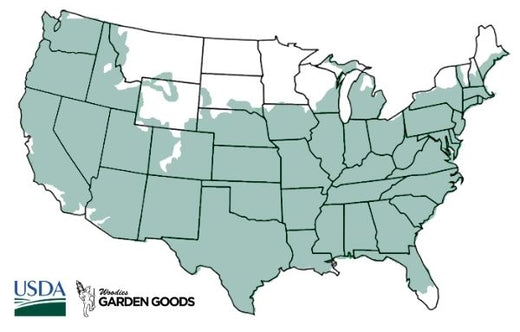
| Hardiness Zone: | 5-9 |
|---|---|
| Mature Height: | 3 to 4 feet |
| Mature Width: | 1 to 2 feet |
| Sunlight: | Full sun to part sun |
| Bloom Time / Color | Summer through fall until frost; white flowers that may blush pink with age |
| Soil Condition: | Well-drained soil; adaptable to sandy, loamy, and average garden soils |
| Water Requirements: | Moderate during establishment; drought tolerant once established |
| Wildlife Value | Attracts bees, butterflies, hummingbirds, and other pollinators |
| Resistance (deer/disease/drought/etc.) | Deer resistant, drought tolerant, heat tolerant, low-maintenance |
| Landscape Uses | Sunny border, pollinator garden, cottage garden, meadow planting, container planting, mass planting |
How to Care for Whirling Butterflies Gaura
Be sure to read our planting instructions to ensure a healthy and happy Whirling Butterflies Gaura plant for years to come!
-v1744918571545.png?92x91)
How should I plant Whirling Butterflies Gaura?
Plant Whirling Butterflies Gaura in full sun in well-drained soil. Dig a hole about twice as wide as the root ball and no deeper than the root ball itself, then place the plant so the crown sits level with the surrounding soil and backfill with the native soil. Water thoroughly after planting and give the clump enough room to mature without crowding nearby plants. This perennial works especially well in sunny borders, cottage gardens, and pollinator plantings where the airy stems can move naturally through the design.
-v1744918582053.png?89x84)
How often should I water Whirling Butterflies Gaura after planting?
Water Whirling Butterflies Gaura deeply right after planting, then keep the soil evenly moist during the establishment period. In the first growing season, that usually means watering during dry spells so the roots can settle in and support strong blooming. Once established, continue watering during prolonged hot or dry weather, but allow the soil to drain well between waterings. This plant is notably drought tolerant once rooted in, so frequent shallow watering is usually less helpful than occasional deeper soaking.
-v1744918591585.png?90x89)
When should I fertilize Whirling Butterflies Gaura?
Whirling Butterflies Gaura generally needs very little fertilizer. If the soil is especially poor, a light application of balanced slow-release fertilizer or compost in spring is enough to support healthy growth. Avoid heavy feeding, because overly rich soil can encourage excess leafy growth and reduce the lighter blooming habit that makes this perennial so attractive. In most gardens, full sun and good drainage matter more than extra fertilizer.

When and how should I prune Whirling Butterflies Gaura?
Deadhead spent blooms during the season if you want to encourage continued flowering and keep the plant looking tidy. Because the flowers open gradually along the stems, even light cleanup can help the plant stay fresh and active. Cut back old stems at the end of the season or in early spring to make room for new growth. If the plant becomes leggy in summer, a light trim can help refresh the habit and encourage a fuller late-season show.