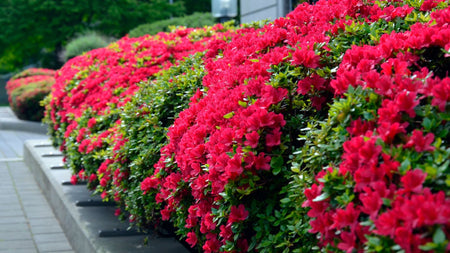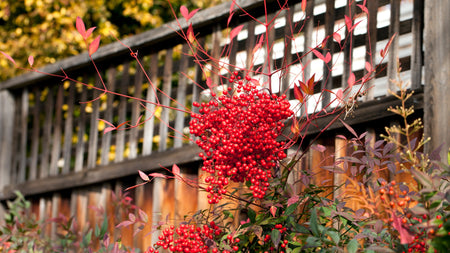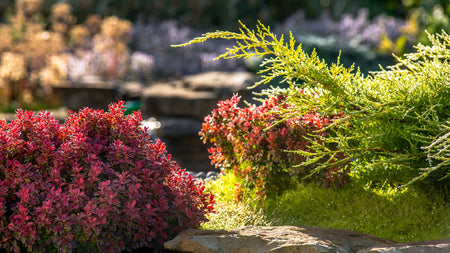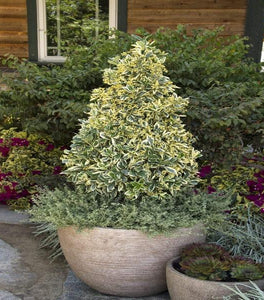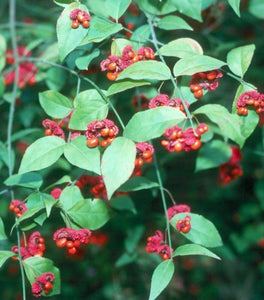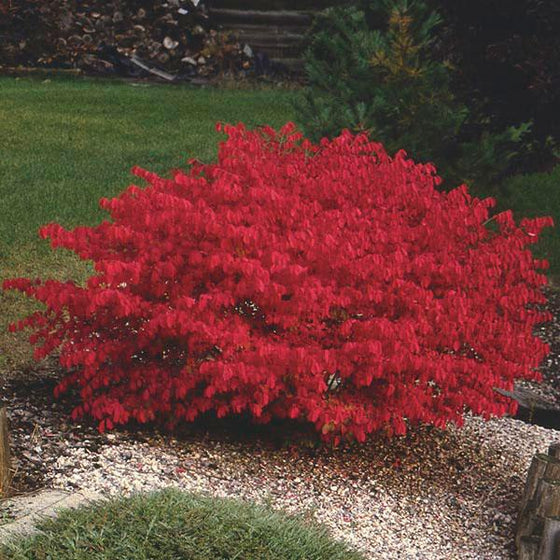
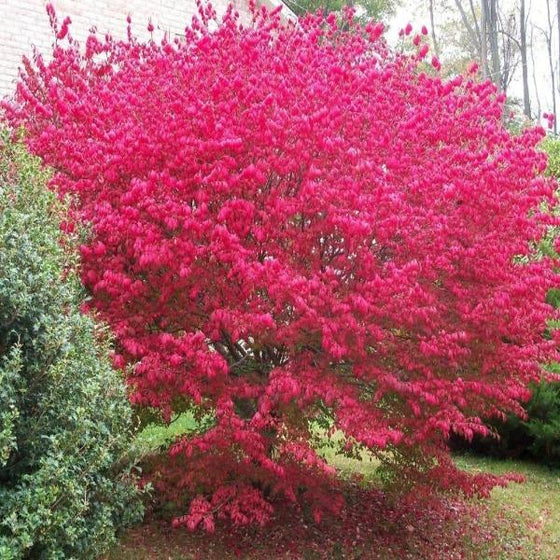
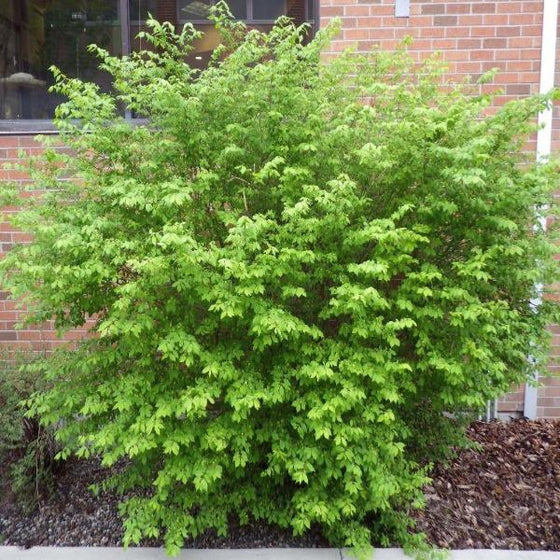
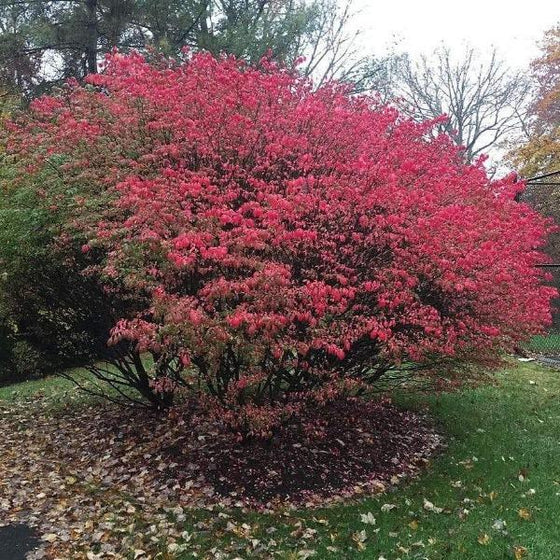


Images Depict Mature Plants
Dwarf Burning Bush
Euonymus alatus 'Compact'
Dwarf Burning Bush is still one of the strongest fall-color shrubs you can plant when it fits the site and the region. The summer look is clean, the structure is useful, and when fall hits, it absolutely lights up the landscape. Just make sure you are planting it responsibly, where it is still considered a suitable option.

20% Off Sitewide Sale!
Use Code 'ENDOFSEASON20' At Checkout
📦 Free shipping on orders over $99.
Delay shipping by leaving us a message at Checkout.
Share:


Brilliant Red Fall Color on a Dense, Easy-Care Landscape Shrub
A fall-color favorite that makes an immediate impact
Dwarf Burning Bush has earned its place among the best-known shrubs for autumn color. Through spring and summer, it offers a clean, green, understated look that blends easily into almost any landscape plan. Then, as temperatures cool, it transforms into a bold scarlet-red showpiece that brings dramatic seasonal color right when many gardens need it most.
Dense branching gives it real landscape value beyond fall
This shrub is not just about one great season. Dwarf Burning Bush has a naturally full, multi-stemmed habit, making it useful as a hedge, screen, border shrub, or foundation planting. Even when it is not in peak fall color, it helps anchor beds and create structure in the landscape with a tidy, substantial presence that works in both formal and more natural plantings.
Summer green foliage sets up the fall display beautifully
During the growing season, the foliage is a clear medium green, creating a calm backdrop for surrounding perennials, flowering shrubs, and evergreen plantings. That quieter summer look is actually one of its strengths, because it allows the intense red fall transition to feel even more dramatic. The corky winged stems also add subtle winter texture after leaf drop, giving the plant a little extra seasonal character.
Useful for hedges, specimens, and bold seasonal contrast
Dwarf Burning Bush works especially well in mixed shrub borders, along property edges, in foundation beds, or planted as a specimen where its autumn color can be appreciated from the street or patio. It is a strong choice for homeowners who want a reliable deciduous shrub that can fill space well, hold a good shape, and deliver a memorable seasonal moment without demanding constant care.
Tough and adaptable, with an important regional caution
This shrub is known for being adaptable, hardy, and relatively easy to grow in a range of landscape conditions, especially in full sun and well-drained soil. Full sun usually produces the best red fall color. Deer resistance is often described as good to very good. However, burning bush is considered invasive in some parts of the eastern and midwestern United States, so homeowners should always check local recommendations or restrictions before planting and use extra caution near natural areas.
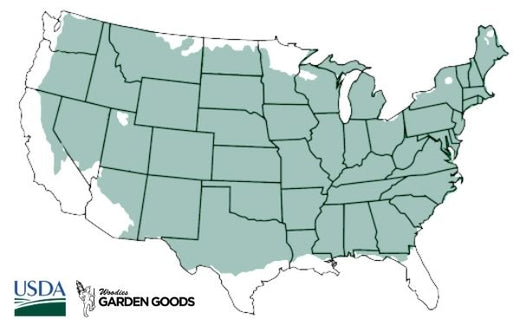
| Hardiness Zone: | 4-8 |
|---|---|
| Mature Height: | 8 to 10 Feet |
| Mature Width: | 6 to 10 Feet |
| Sunlight: | Full sun to partial shade; best fall color in full sun |
| Soil: | Well-drained soil; adaptable to many soil types |
| Water: | Moderate during establishment; somewhat drought tolerant once established |
| Bloom Time / Color: | Spring; small yellow-green flowers that are not showy |
| Foliage: | Green summer foliage turning brilliant scarlet-red in fall |
| Ornamental Features: | Fiery fall color, dense branching, corky winged stems |
| Wildlife Value: | Fruits may be eaten by birds |
| Resistance (deer/disease/drought/etc.): | Good deer resistance, adaptable, relatively low maintenance |
| Landscape Uses: | Hedges, borders, foundation plantings, screening, specimen use, fall color accents |
How to Care for Dwarf Burning Bush
Before you buy a Burning Bush shrub, make sure to read about the care instructions that are recommended to keep this Euonymus healthy and thriving.

How should I plant Dwarf Burning Bush?
Plant Dwarf Burning Bush in full sun to partial shade in well-drained soil. Dig a hole about twice as wide as the root ball and no deeper than the root ball itself, then set the shrub so the top of the root ball sits level with or slightly above the surrounding soil. Backfill with the native soil, water deeply, and mulch around the base to help conserve moisture and reduce weed competition. If your goal is the brightest possible red fall color, choose a spot with plenty of direct sun and good air circulation.

How often should I water Dwarf Burning Bush after planting?
Water the Dwarf Burning Bush deeply right after planting, then keep the soil evenly moist during the first growing season while the roots establish. In most home landscapes, that means watering about once or twice per week, depending on rainfall, soil drainage, and heat. Once established, this shrub becomes more tolerant of short dry periods, but it will still look and perform best with occasional deep watering during extended drought. Avoid constantly wet soil, since overly soggy conditions can stress the roots.

When should I fertilize Dwarf Burning Bush?
Fertilize Dwarf Burning Bush lightly in early spring if needed, using a balanced slow-release fertilizer for landscape shrubs. A modest spring feeding can support healthy growth and good foliage quality without pushing excessive soft growth. In many landscapes, this shrub does not need heavy feeding to perform well. Proper sun exposure, decent drainage, and mulch around the root zone often do more for long-term performance than aggressive fertilizer use.

When and how should I prune Dwarf Burning Bush?
Prune Dwarf Burning Bush in late winter or early spring before new growth begins if you want to control size, shape the plant, or remove damaged wood. This is the best time for structural pruning because the branch framework is easy to see. For routine maintenance, light shaping is usually enough. If you are using Dwarf Burning Bush as a hedge or foundation shrub, selective pruning often looks better than harsh shearing because it preserves the plant’s natural dense habit and cleaner appearance.