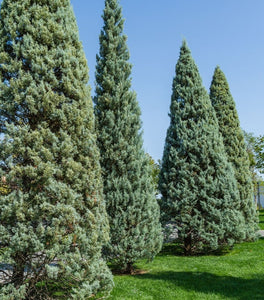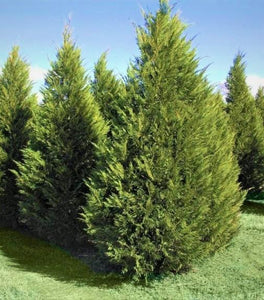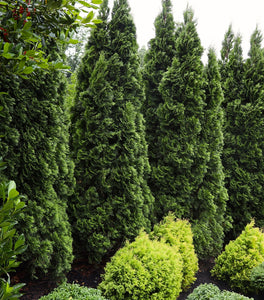





Images Depict Mature Plants
Italian Cypress
Cupressus sempervirens
Italian Cypress is one of the fastest ways to make a property look established: tall, narrow evergreens that create privacy, frame views, and add that clean, high-end rhythm along a driveway or fence line. Give it sun, give it drainage, water it well the first season, and you’ll have a drought-tough screen that feels like it was always meant to be there.

20% Off Sitewide Sale!
Use Code 'ENDOFSEASON20' At Checkout
📦 Free shipping on orders over $99.
Delay shipping by leaving us a message at Checkout.
Share:



Buy Italian Cypress for Instant Vertical Style and Evergreen Privacy
Buy Italian Cypress for the Classic Tuscan Look—Tall, Narrow, and Evergreen
Italian Cypress is the go-to columnar evergreen when you want your landscape to look architectural—clean lines, strong height, and year-round green. One tree adds instant “Mediterranean estate” style; a row turns a plain property line into a living wall that feels intentional and upscale.
Because the habit is naturally upright and tight, it’s a favorite for framing entries, lining driveways, and creating privacy without sacrificing yard space. If you’re shopping for a narrow evergreen screen, this is one of the most iconic silhouettes you can plant.
Choose It for Real Height Without the Bulk—A True Columnar Evergreen
Italian Cypress is commonly listed at 40–70 feet tall with a narrow spread of around 3–6 feet (cultivars and conditions vary). That combination is exactly why it sells: you get meaningful vertical screening and dramatic height, but it stays slim enough for tight side yards, pool fencing, or narrow beds.
In good conditions, it can put on noticeable growth each year—especially once established—so it’s a strong choice when the buyer’s goal is “privacy sooner, not someday.”
Low-Fuss Care Starts with Sun and Drainage—Keep It Dry-Leaning Once Established
Italian Cypress performs best in full sun with well-drained soil. Establishment watering matters, but long-term success is about not keeping the roots wet—overwatering is a common cause of decline and root issues.
If your soil holds water, planting on a slight mound and improving drainage is worth it. Think “deep watering to establish,” then “let it dry between soakings” as the tree matures—this matches how Italian Cypress naturally thrives
Best Uses: Privacy Screens, Windbreak Lines, Driveway Drama, and Tight-Space Evergreens
Plant Italian Cypress in a line to create a refined privacy screen, or use it as a repeating accent to guide the eye down a driveway or along a walkway. It’s also excellent for adding vertical contrast behind lower shrubs and perennials—especially in modern, Mediterranean, or formal landscape styles.
For buyers who want an evergreen that feels “designed,” not just “planted,” Italian Cypress is a fast way to add structure and rhythm to the entire property.

| Botanical Name | Cupressus sempervirens |
|---|---|
| Hardiness Zone: | 7-11 |
| Mature Height: | 40 to 60 Feet |
| Mature Width: | 3 to 6 Feet |
| Sunlight: | Full sun |
| Soil: | Well-drained soil |
| Water | Regular to establish; drought resistant once established |
| Resistance | Heat/wind tolerant reputation; avoid wet feet |
| Landscape Uses | Privacy screens, driveway lining, vertical accents, windbreak rows |
How to Care for Italian Cypress
Before you buy an Italian Cypress Tree, make sure to read about the recommended care instructions that are recommended to keep this plant healthy and thriving.

How should I plant Italian Cypress?
Pick a full-sun site with excellent drainage, then dig a hole 2–3× wider than the root ball. Set the tree so the top of the root ball is level with (or slightly above) the surrounding grade, backfill, and water deeply to settle soil around the roots. Keeping the trunk flare visible and avoiding planting too deeply is a simple way to prevent long-term stress. If your soil stays wet after rain, mound the planting area slightly or improve drainage before planting—Italian Cypress is far happier dry-leaning than soggy. Finish with 2–3 inches of mulch over the root zone (not against the trunk), and plant in spring or early fall so roots establish before extreme heat or cold.
-v1760451931518.png?89x84)
How often should I water Italian Cypress after planting?
Water deeply right after planting, then water young trees regularly through their first growing season—aiming for deep soakings rather than daily sprinkles. This encourages deeper roots and better drought performance later. Once established, Italian Cypress is commonly described as drought-resistant and usually does best when allowed to dry between waterings. Overwatering can contribute to root problems and decline, so adjust watering based on rainfall and soil type and avoid keeping the root zone constantly wet.

When should I fertilize Italian Cypress?
Fertilize in early spring only if the tree shows a need (pale growth, slow establishment in poor soil). In average landscape soil, the bigger performance driver is drainage and correct watering—feeding won’t fix wet roots or shade. A strong, low-risk approach is to top-dress with compost and refresh mulch annually to support soil biology and steady moisture balance. If you do fertilize, use a slow-release evergreen/tree formula and follow label rates—more isn’t better for conifers.

When and how should I prune Italian Cypress?
Prune lightly as needed to maintain the classic columnar silhouette, ideally in late winter through early spring. Focus on removing dead or damaged tips and correcting stray branches—small, selective cuts preserve the natural form. Avoid hard pruning into bare, old wood. If you’re growing a formal row, gentle annual touch-ups are usually enough; the goal is “refine,” not “reshape.” Keeping plants properly spaced also reduces the need for aggressive pruning later.