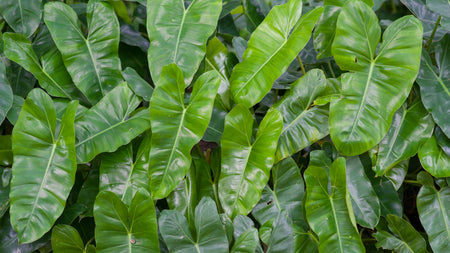
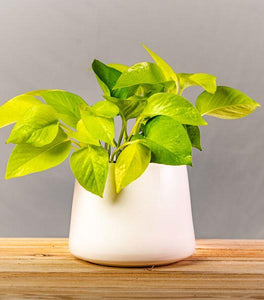
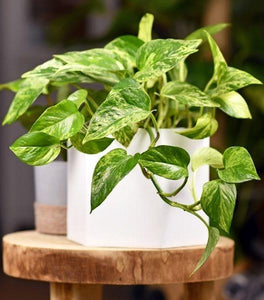
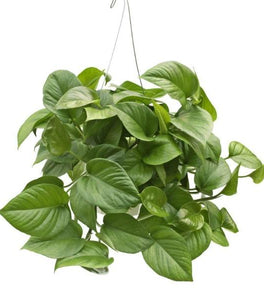
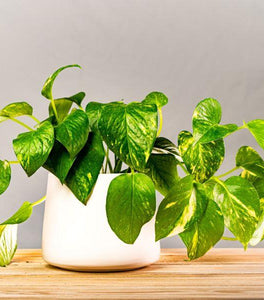
Images Depicted Range in Maturity & Container Size
Pots & Decorations Not Included Unless Otherwise Stated
Philodendron hederaceum ‘Lemon Lime’
Philodendron hederaceum 'Lemon Lime'
If you want one plant that makes your space feel brighter the second you set it down, Philodendron Lemon Lime is my go-to. The neon leaves look unreal in bright, indirect light, and the care is simple: let it dry a bit, water well, and trim it when you want it fuller. I love it trailing from a shelf or climbing a pole like a living accent wall—just keep it up where pets and little ones won’t nibble, and it’ll reward you with fast, happy growth.

15% OFF SITEWIDE, USE CODE 'FALLPLANT15'
📦 Free shipping on orders over $99.
Share:

Philodendron Lemon Lime
Neon Color That Instantly Makes Any Room Feel Alive
Philodendron Lemon Lime is the “turn the lights on” houseplant—bright chartreuse leaves that glow in a way most greens simply don’t. The foliage is heart-shaped, fresh, and high-impact, giving you that bold color-pop look without demanding fussy care. It’s perfect for brightening a neutral corner, adding contrast to darker-leaf plants, or creating a modern, energetic vibe on a shelf or plant stand. Even a small pot makes a statement, because the color reads from across the room.
This is also a plant that grows with you. Keep it compact and bushier with occasional pinches, or let it trail into a lush waterfall of neon leaves. Train it up a moss pole to create a climbing, “living column” look, or tuck it into a hanging basket where the vines can spill naturally. It’s a fast favorite for beginners because it’s forgiving, adaptable, and rewarding—when it’s happy, it grows. If you want the easiest way to add big color to your indoor plant lineup, Lemon Lime delivers that “wow” factor quickly.
A Fast-Growing Vine That Trails Or Climbs On Your Terms
Lemon Lime is a heartleaf philodendron type, which means it’s built to vine. In good conditions, it can trail several feet over time, filling out a pot and draping gracefully over edges. If you prefer a fuller look instead of long vines, prune lightly to encourage branching. Each trim can turn one vine into two, creating a denser plant that looks intentionally styled rather than “one long string.” That flexibility makes it ideal for shelves, bookcases, tall planters, and hanging hooks.
You can also train it upward for a more architectural look. Give it a pole or trellis, and the plant will start to climb, often producing larger leaves as it grows. This is a great choice if you want a vertical statement without a massive footprint. Whether you go trailing or climbing, the key is consistent, indirect light and a potting mix that drains well. If you’ve been looking for a vine that grows enthusiastically and stays easy, Philodendron Lemon Lime is one of the most satisfying indoor plants to own.
Light And Water Clarity That Keeps Leaves Bright And Vines Healthy
For the brightest lemon-lime color, place this plant in bright, indirect light—near an east-facing window or a few feet back from a sunny south or west window. It also tolerates medium and even lower light, but the tradeoff is slower growth and less intense color. If vines stretch and leaves space out, that’s your signal to increase light. Avoid direct afternoon sun, which can stress foliage and dull its appearance over time.
Watering is simple: water thoroughly, then let the top 1–2 inches of potting mix dry before watering again. Constantly wet soil is the fastest route to yellow leaves and root issues. Use a well-draining mix (a standard indoor mix boosted with perlite or bark works great) and always choose a pot with drainage holes. In brighter light and warmer rooms, you’ll water a bit more often; in winter, you’ll usually water less. Keep the routine steady, and Lemon Lime will reward you with healthy vines and vibrant, glowing leaves.
Easy Styling For Hanging Baskets, Poles, And Everyday Spaces
Philodendron Lemon Lime is one of the best “anywhere” plants for indoor décor. Hang it high and let vines cascade, or set it on a shelf where it can trail down and soften hard lines. If you want a bigger statement, train it up a pole and let it become a living accent piece. It also propagates easily from stem cuttings, so you can fill out your pot, create a second plant, or share it with a friend.
One important note for households with pets and kids: philodendrons are not considered pet-safe if chewed, so place this plant out of reach if you have curious nibblers. The good news is that it’s easy to position safely—high shelves, hanging baskets, or a plant stand in a low-traffic spot. Give it warm indoor temperatures, moderate humidity (average home humidity is usually fine), and occasional pruning to shape, and you’ll have a bright, reliable vine that looks lush without constant attention.

| Hardiness Zone: | 10-12 Outdoors |
|---|---|
| Mature Height: | 2.5 to 3 Feet with support |
| Mature Width: | 1 to 2 Feet |
| Sunlight: | Low to bright indirect light (best color in bright indirect) |
| Habit: | Trailing, Upright with support |
| Bloom Time / Color | Rare indoors; inconspicuous spathe/spadix, pale greenish-white |
| Foliage: | Yellow changing to lime green with age |
| Soil: | Well-draining potting mix; aroid-style mix preferred |
| Water Requirements: | Water when top 1–2 inches of soil are dry; never let sit in water |
How to Care for Philodendron hederaceum ‘Lemon Lime’
Be sure to read our planting instructions to ensure a healthy and happy Philodendron Lemon-Lime plant for years to come!
-v1769789887970.png?92x91)
How should I plant Philodendron Lemon Lime?
Plant Philodendron Lemon Lime in a container with drainage holes using a well-draining potting mix. An airy mix (standard indoor soil boosted with perlite and a little bark) helps prevent soggy roots and supports faster, healthier growth. Set the plant at the same depth it was growing in its nursery pot, gently firm the mix, and water thoroughly to settle it in. Place it in bright, indirect light and avoid moving it into an oversized pot right away, since extra soil can hold moisture too long and slow establishment.

How often should I water Philodendron Lemon Lime after planting?
Water deeply after planting, let excess drain completely, and then wait until the top 1–2 inches of the mix are dry before watering again. This plant is forgiving if you’re a little late, but it can decline quickly if the soil stays constantly wet. Your schedule will change with the light and season. In brighter light and warm rooms, you’ll water more often; in winter or lower light, less. Use the soil feel and pot weight as your guide, and always empty the saucer so the roots never sit in runoff.

When should I fertilize Philodendron Lemon Lime?
Fertilize during the growing season (spring through early fall) with a balanced houseplant fertilizer at a diluted strength. Light, consistent feeding supports faster vine growth and keeps foliage looking fresh without stressing the plant. Skip fertilizing in late fall and winter when growth slows. If you notice salt buildup on the soil or leaf tip browning, flush the pot occasionally with plain water and reduce fertilizer strength or frequency.

When and how should I prune Philodendron Lemon Lime?
Prune Philodendron Lemon Lime to control length and encourage a fuller, bushier look. Trimming vines back just above a node encourages branching, helping the plant fill out and look dense rather than stringy. The best time to prune is spring or early summer when the plant rebounds quickly. Use clean snips, remove any yellowing leaves, and save healthy cuttings if you want to propagate and thicken the pot.