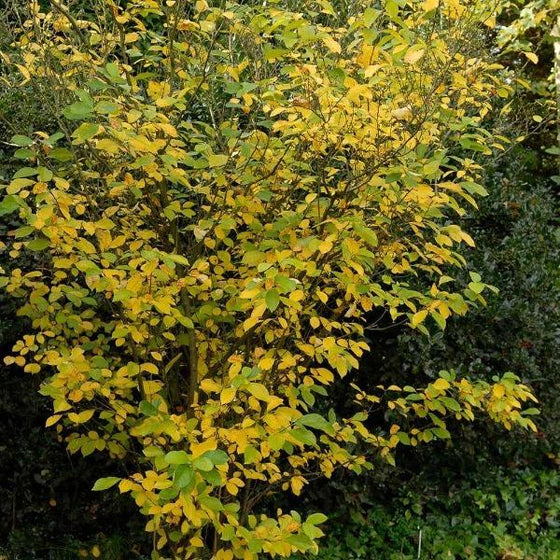

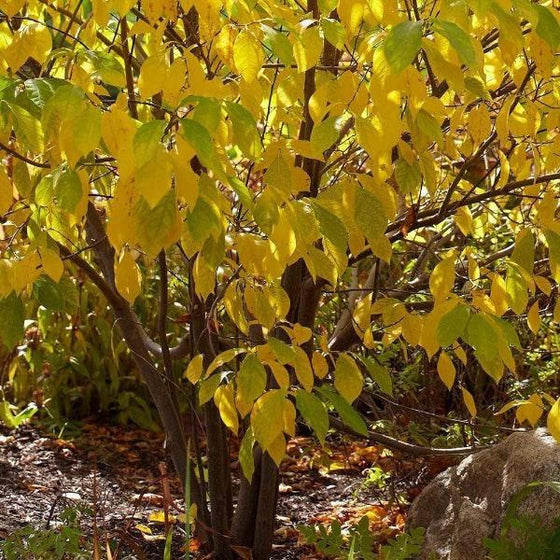


Images Depict Mature Plants
Spicebush
Lindera Benzoin
Spicebush is one of those native shrubs that does a lot of work without ever feeling flashy or forced. You get spring flowers, fragrant foliage, glowing fall color, and wildlife value all in one plant, which makes it a really smart choice for woodland gardens and naturalized landscapes.

15% OFF SITEWIDE SALE
Use Code 'PRIMETIME15' At Checkout
📦 Free shipping on orders over $99.
Delay shipping by leaving us a message at Checkout.
Share:

A native woodland shrub with spring flowers, glowing fall color, and wildlife value
A native shrub with beauty in more than one season.
Spicebush is one of those native shrubs that keeps offering something new as the seasons move along. In early spring, it lights up with clusters of soft yellow flowers before the foliage fully emerges. Through the growing season, the plant carries fresh green leaves and a naturally graceful, upright-rounded habit that feels right at home in woodland gardens and naturalized borders.
Fall is when Spicebush really glows.
As the season shifts, Spicebush develops clear golden-yellow fall color that brings warmth to shaded and partially shaded plantings. That bright autumn foliage is one of the reasons this shrub stands out so strongly in native landscapes. It helps create a clean seasonal transition and can brighten the understory in a way that feels both natural and dramatic.
Fragrance and fruit add another layer of interest.
Spicebush gets its common name from the spicy fragrance released when the leaves or twigs are crushed. Female plants can also produce brilliant red berries in early fall when a male plant is nearby for pollination. Those berries add another ornamental feature and also make the shrub especially valuable for birds and wildlife gardens.
A strong fit for woodland gardens, native borders, and naturalized screens.
This shrub works especially well at woodland edges, in understory plantings, in mixed native borders, and in looser hedges or screens. It is a natural fit for shaded or partially shaded spaces where a richer native character is the goal. Because it matures into a substantial shrub, it is best placed where its natural shape and long-term size can be appreciated.
Easy to grow when given moisture and the right setting.
Spicebush performs best in part sun to part shade and in moist, rich, well-drained soil, though it can tolerate a range of moisture conditions once established. It is especially well-suited to woodland-style landscapes and other sites that avoid harsh reflected heat. If berry production is important, planting both male and female shrubs is the best approach.
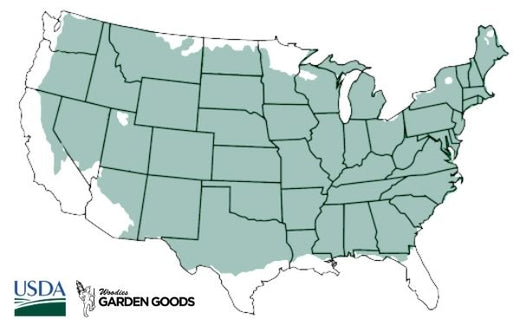
| Hardiness Zone: | 4-8 |
|---|---|
| Mature Height: | 6 to 12 feet |
| Mature Width: | 6 to 12 feet |
| Sunlight: | Part Sun to Part Shade |
| Soil: | Moist, rich, acidic to humusy, well-drained soils |
| Water: | Water well until established; prefers consistent moisture |
| Bloom Time / Color: | Early spring; soft yellow flowers |
| Foliage: | Green foliage turning bright golden yellow in fall |
| Ornamental Features: | Early yellow flowers, fragrant foliage, bright fall color, red berries |
| Wildlife Value: | Host plant for spicebush swallowtail butterflies; berries support birds |
| Resistance (deer/disease/drought/etc.): | Adaptable to varied moisture; sensitive to heat and drought stress in exposed sites |
| Landscape Uses: | Woodland gardens, native plantings, mixed shrub borders, naturalized screens, understory plantings |
How to Care for Spicebush
Before you purchase your Spicebush shrub, be sure to read the recommended care instructions to ensure your plant stays happy and healthy for years to come!
-v1777228971404.png?92x91)
How should I plant Spicebush?
Plant Spicebush in part sun to part shade in moist, well-drained soil rich in organic matter. Dig a hole about twice as wide as the root ball and no deeper than the root ball itself, then set the shrub level with the surrounding soil and backfill carefully. Water deeply after planting and apply mulch around the root zone to help hold moisture and improve soil conditions, but keep mulch a few inches away from the stems. Spicebush is especially happy in woodland-style settings where the soil stays evenly moist and the plant is protected from excessive heat.
-v1777228993945.png?89x84)
How often should I water Spicebush after planting?
Water Spicebush deeply right after planting, then continue watering regularly through the first growing season while the roots establish. During warm weather, consistent moisture is especially important because newly planted Spicebush does not like to dry out repeatedly. Once established, Spicebush becomes more adaptable and can handle both moist soils and short dry spells better than many shrubs. Even so, it performs best with regular moisture, especially in sunnier or hotter sites.
-v1777229018497.png?90x89)
When should I fertilize Spicebush?
Spicebush usually does not need heavy fertilization. In rich soil with organic matter, it often performs very well with minimal input. If feeding is needed, apply compost or a balanced slow-release shrub fertilizer in early spring before new growth begins. Avoid over-fertilizing, especially with high-nitrogen products, since overly lush growth is not necessary for good performance.

When and how should I prune Spicebush?
Prune Spicebush lightly after bloom if shaping is needed. Start by removing dead, damaged, or awkward branches, then make selective cuts to improve form without destroying the shrub’s natural habit. This plant usually looks best with minimal pruning. Because Spicebush has a naturally attractive shape, light thinning is usually better than repeated hard shaping or shearing.