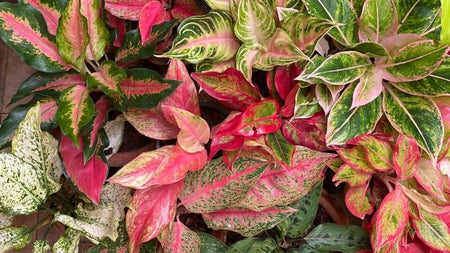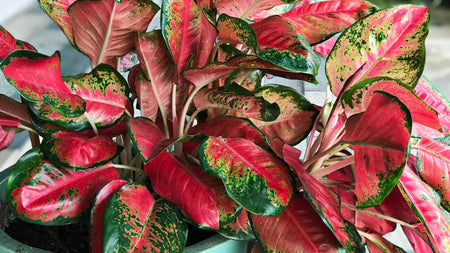
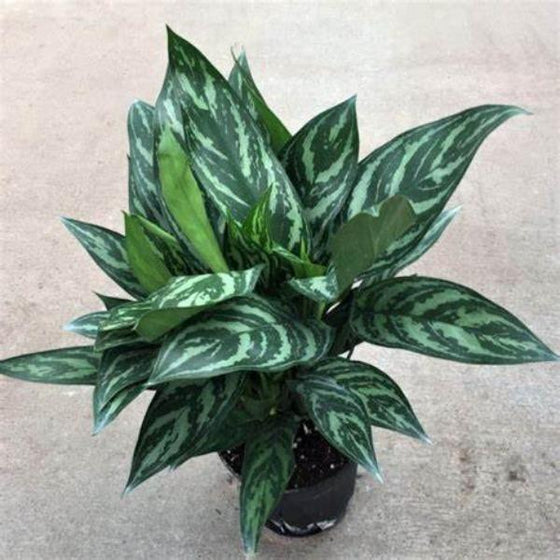
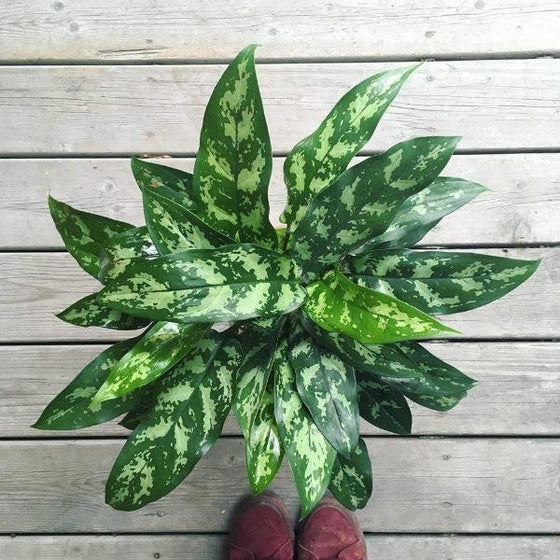
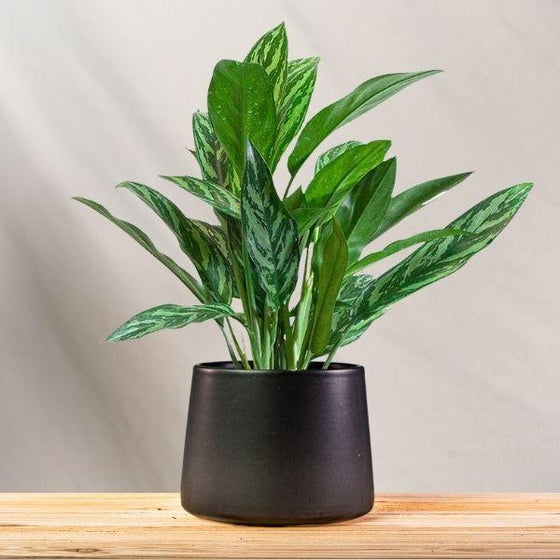


Images Depicted Range in Maturity & Container Size
Pots & Decorations Not Included Unless Otherwise Stated
Tigress Chinese Evergreen
Aglaonema 'Tigress'
Tigress Chinese Evergreen is the kind of houseplant that gives you more detail and character than a plain green foliage plant, but still fits into a very manageable indoor routine. The patterned leaves bring contrast, the compact clumping habit makes it easy to place on a shelf or desk, and the forgiving aglaonema nature makes it a smart choice for normal indoor life. If you want a variegated houseplant that looks polished without turning into a project, this one has a lot going for it.

15% OFF SITEWIDE SALE
Use Code 'PRIMETIME15' At Checkout
📦 Free shipping on orders over $99.
Share:


Tigress Chinese Evergreen for Bold Indoor Pattern and Contrast
Variegated Foliage That Adds Pattern, Contrast, And Indoor Interest
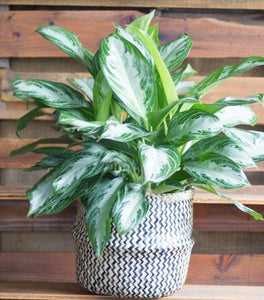
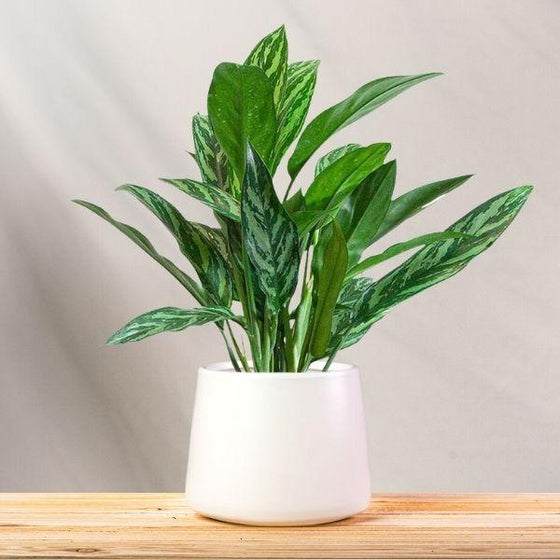
Tigress Chinese Evergreen stands out because it offers a strong visual pattern without needing blooms to create impact. Like other variegated aglaonemas, it is valued for its decorative foliage, which adds contrast, movement, and a more collected look to indoor spaces. The appeal comes from the leaf pattern itself, with lighter variegation layered over green foliage, creating a look that feels brighter and more dynamic than a standard solid-green houseplant. That makes it especially useful in rooms where you want greenery, but also want the plant to read as a decorative feature rather than just background foliage. Broadly, colorful and variegated aglaonemas are sold and grown for their leaf pattern first, with indirect light usually bringing out their best indoor appearance.
That patterned foliage gives the plant a versatile role in indoor design. It can brighten darker furniture, soften office corners, and add visual interest to bedrooms, shelves, consoles, and small tabletops without overwhelming the space. Because aglaonemas tend to keep a tidy, upright clumping habit, the plant feels polished rather than unruly. For indoor gardeners who want a houseplant that offers a little more detail and personality than plain greenery, Tigress Chinese Evergreen fits that need very well. It gives you ornamental foliage, a compact footprint, and a tropical look that still feels easy to place in everyday rooms. The broader Chinese Evergreen category is well known for this mix of decorative foliage and adaptable indoor performance.
A Flexible Houseplant For Offices, Bedrooms, And Lower-Light Spaces
One of the strongest reasons to choose Tigress Chinese Evergreen is how well it fits real indoor conditions. Chinese Evergreens are widely valued because they tolerate lower light better than many other tropical foliage plants, which makes them especially useful in apartments, offices, bedrooms, and other interior spaces that do not receive strong sun for most of the day. That does not mean they perform best in deep shade, but it does mean they are more forgiving than many variegated houseplants. Clemson specifically notes that Chinese Evergreen prefers low to moderate indirect light, while other current care guides note that colorful forms usually show their best color in medium to bright indirect light.
Its compact, clumping form makes placement easier as well. Instead of needing a trellis, trailing over shelves, or taking up a large floor footprint, this aglaonema usually stays within a manageable indoor range and works well on desks, bookcases, side tables, and plant stands. That makes it especially appealing for plant lovers who want foliage detail and easy styling without moving into larger, more demanding statement plants. If your goal is to add a variegated houseplant to a standard room with filtered light and limited space, Tigress Chinese Evergreen is a practical and attractive choice. Clemson’s general Chinese Evergreen size range, roughly 1 to 3 feet tall and wide, supports a compact-to-medium indoor use case.
Easy-Care Growth With Best Color In Medium To Bright Indirect Light
Tigress Chinese Evergreen has the same core appeal that makes aglaonemas so popular with beginners and experienced plant lovers alike: it offers strong foliage interest without demanding a difficult care routine. Watering is usually straightforward when the pot and soil are right. Let the top layer of the potting mix dry slightly, then water thoroughly and allow the excess to drain away. Chinese Evergreen care guidance from Clemson and The Spruce aligns closely on this point, recommending that the top 1 to 2 inches or top inch of soil dry before watering again. That makes the plant much more forgiving than houseplants that need consistently damp soil every day.
The main thing to understand is that tolerance and best appearance are not the same thing. Tigress can adapt to lower light, but variegated aglaonemas generally look fuller and more vivid in medium to bright indirect light. Direct sun should be limited because it can scorch foliage, especially through a bright window. Average household humidity is usually acceptable, though moderate humidity and warm indoor temperatures support steadier growth. Chinese Evergreens are also best kept away from cold drafts and temperatures below about 55°F, according to Clemson. For plant lovers who want a manageable indoor plant with patterned foliage and a realistic care routine, Tigress Chinese Evergreen offers a comfortable balance of beauty and reliability.
A Great Gift Plant With Clear Pet And Family Placement Needs
Tigress Chinese Evergreen makes a strong gift because it looks decorative right away but does not require an intimidating care routine. A patterned aglaonema has more personality than a plain green houseplant, which makes it well-suited for birthdays, housewarmings, office gifts, and thank-you occasions. At the same time, the broader Chinese Evergreen group is well known for being adaptable indoors, which makes it easier for newer plant owners to enjoy. If you want a houseplant that feels polished, giftable, and easy to live with in ordinary indoor conditions, this kind of aglaonema checks a lot of boxes. Current aglaonema care references consistently describe the group as rewarding and adaptable indoors.
The main caution is placement around pets and children. Chinese Evergreen is toxic to cats and dogs, and North Carolina State Extension also notes calcium oxalate toxicity concerns for pets and potential sap irritation. That does not make it unusable in family homes, but it does mean the plant should be placed thoughtfully on a shelf, desk, or plant stand where chewing is unlikely. For households that can manage that placement, Tigress Chinese Evergreen offers ornamental foliage, dependable indoor performance, and a tidy, manageable shape that fits very well into everyday life.
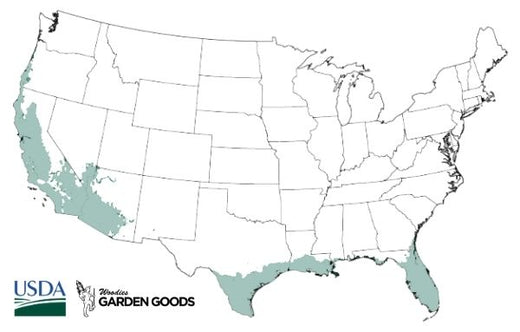
| Hardiness Zone: | 9-11 |
|---|---|
| Mature Height: | 1 to 3 Feet |
| Mature Width: | 1 to 2 Feet |
| Sunlight: | Medium to bright indirect light is best; tolerates lower light, but foliage pattern usually looks strongest in better indirect light |
| Water | Water when the top 1 to 2 in. of soil feel dry; do not keep constantly soggy |
| Humidity | Average to moderate humidity is usually acceptable |
| Soil: | Well-draining indoor potting mix with good aeration |
| Growth Habit | Upright, clumping, compact tropical foliage plant |
| Foliage Color / Texture | Patterned variegated foliage with green and lighter contrasting markings; glossy tropical texture |
| Ornamental Features | Variegated leaf pattern, strong green-and-light contrast, and a tidy rounded clumping habit |
| Pet Safety | Not pet-safe |
| Best Uses Indoors | Desk plant, shelf plant, office plant, bedroom accent, low-light variegated foliage plant |
How to Care for Tigress Chinese Evergreen
Please follow our planting and care instructions for Tigress Chinese Evergreen
-v1784214303255.png?92x91)
How should I pot Tigress Chinese Evergreen?
Pot Tigress Chinese Evergreen in a container with drainage holes and use a loose, well-draining indoor potting mix that will not stay heavy and wet for too long. Choose a pot only about 1 to 2 inches wider than the current root ball so the roots can settle in evenly without extra soggy soil collecting around them. This aligns with standard Chinese Evergreen care, which favors a commercial soilless mix with good drainage and, if needed, added aeration. Set the plant at the same depth it was growing before, then water thoroughly until excess drains away. After potting, place it in medium to bright indirect light and keep it away from cold drafts while it adjusts to the new container. Spring and summer are also the preferred times for repotting Chinese Evergreens, according to current houseplant care guidance.
-v1763494664792.png?89x84)
How often should I water Tigress Chinese Evergreen?
Water Tigress Chinese Evergreen when the top 1 to 2 inches of soil feel dry rather than following a fixed weekly schedule. In brighter rooms and warmer indoor conditions, it may dry a bit faster, while lower-light spaces usually slow the watering cycle down. Clemson recommends allowing the top 1 to 2 inches to dry before watering again, and The Spruce similarly recommends watering when the top inch becomes dry. When you water, evenly soak the root zone, and let all excess moisture drain away completely. This plant generally performs better with slight drying between waterings than with constantly wet soil around the roots. Overwatering is much more likely to cause trouble than waiting until the upper layer of the mix dries first.
-v1763494698409.png?90x89)
When should I fertilize Tigress Chinese Evergreen?
Fertilize Tigress Chinese Evergreen during spring and summer when it is actively growing and producing fresh foliage. A balanced liquid houseplant fertilizer at a diluted rate every 4 to 6 weeks is a practical indoor schedule, though Chinese Evergreens do not usually require heavy feeding to stay attractive. Costa Farms notes that the group can do well with light feeding once or twice a year, while other houseplant care sources support moderate feeding during active growth. Reduce or stop feeding in fall and winter when growth naturally slows indoors. Too much fertilizer can build up in the soil and stress the roots, so a moderate feeding routine is usually the better long-term approach for maintaining healthy foliage without pushing the plant too hard.

When and how should I prune Tigress Chinese Evergreen?
Prune Tigress Chinese Evergreen whenever you need to remove yellowing, damaged, or aging leaves, and do light shaping in spring if the plant becomes uneven. Use clean, sharp scissors or pruners and remove individual leaves near the base rather than cutting across the top of the plant. Because Chinese Evergreens naturally grow in a tidy clumping form, pruning is usually light and mostly cosmetic. Regular cleanup helps the plant stay full, attractive, and fresh-looking indoors. If a stem becomes leggy or a leaf is badly damaged, selective removal is usually more effective than aggressive reshaping. The goal is generally to preserve the plant’s full, bushy look rather than force a dramatic structural change.